Project-Based Learning (PBL): Students Are Getting Closer To The Project-Based World
What Is Project-Based Learning?
Project-based learning is an instructional approach designed to give students the opportunity to develop knowledge and skills through engaging projects set around challenges and problems they may face in the real world.
Why Project-Based Learning? We Live in a Project-Based World
The truth is, many in education recognize that our modern world is sustained and advanced through the successful completion of projects.
It’s true! Your weekend chores, an upcoming presentation, or organizing a fundraising event—they’re all projects. Therefore, we need to help our children become acquainted to how the world operates through real-world projects and their applications. And PBL prepares students to be self-sufficient, creative, and critical thinkers that can take on any challenge.
7 Essential Elements for Project-Based Learning
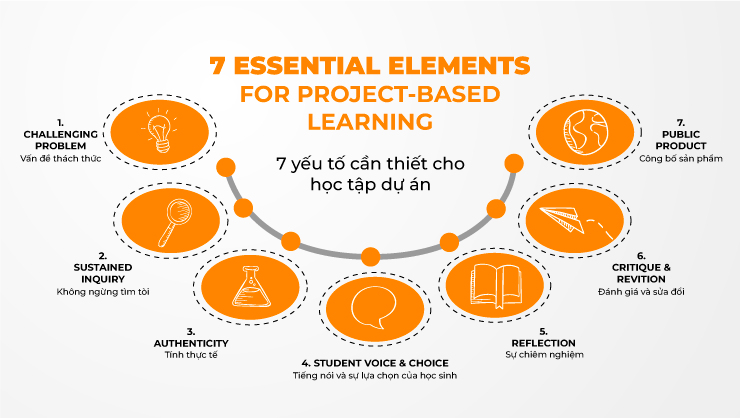
1. Challenging Problem
A project is always based on a meaningful problem to be solved. A well-designed question or problem gives students room to elaborate and explore throughout the learning process.
2. Sustained Inquiry
Students completing a project engage in an extended and rigorous research process that includes inquiry, research, and application. A high-quality project requires students to think critically about the driving question, problem, or challenge.
3. Authenticity
An authentic project involves real-world context, addresses 21st century skills, and speaks to relevant concerns, interests, and issues in the students’ lives. An authentic project also connects students to other people and communities, creating a unique learning experience.
4. Student Voice and Choice
Project-Based Learning gives students the opportunity to make decisions about what they create and how to express their ideas. This inherent autonomy creates a strong sense of ownership in students, pushing them to work harder and care more about their chosen project.
5. Reflection
A well-designed project includes structured time for reflection. Time set aside for reflection gives students a chance to make necessary project adjustments and grow from the learning experience.
6. Critique and Revision
PBL encourages students to give, receive, and apply feedback to revise and improve their final product. This process can create unnecessary controversy, but it is also the problem-solving skill required in each student.
7. Public Product
The final step of the project is for to students make their work public by sharing, explaining, or presenting it to an audience outside of the classroom. It also allows for increased communication with parents and the outside community.
How UTS Teach UTS Students In Project – Based Learning?
Understanding what students really need for the future, UTS actively builds project-based lessons to make their learning process more interesting, while also bringing sustainable values to them:
- Effectively applying knowledge into practice
- Analyzing and understanding the core of the problem
- Developing critical thinking and planning ability
- Enhancing teamwork skills and deliver their result through presentations
- Let’s explore some outstanding learning projects of our Secondary students in the last academic year:
The “Fermentation” Project
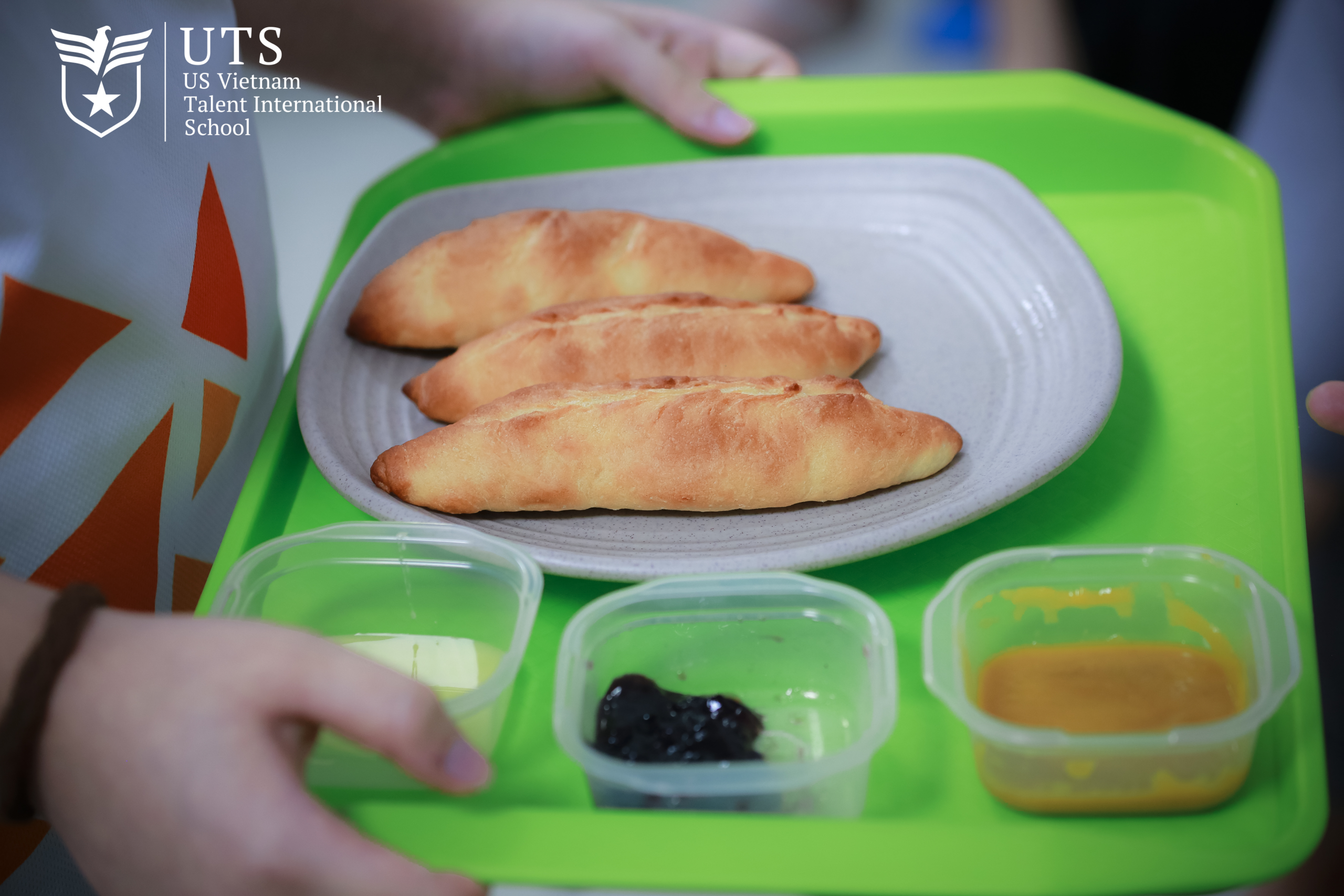
Applying the knowledge of lactic fermentation and ethylene fermentation, UTS-ers embarked on the project in a short time with products such as yogurt, bread, rice wine, etc. Although there are only 2 weeks to complete the “Fermentation” project, each presentation of the students shows careful preparation in research and implementation.
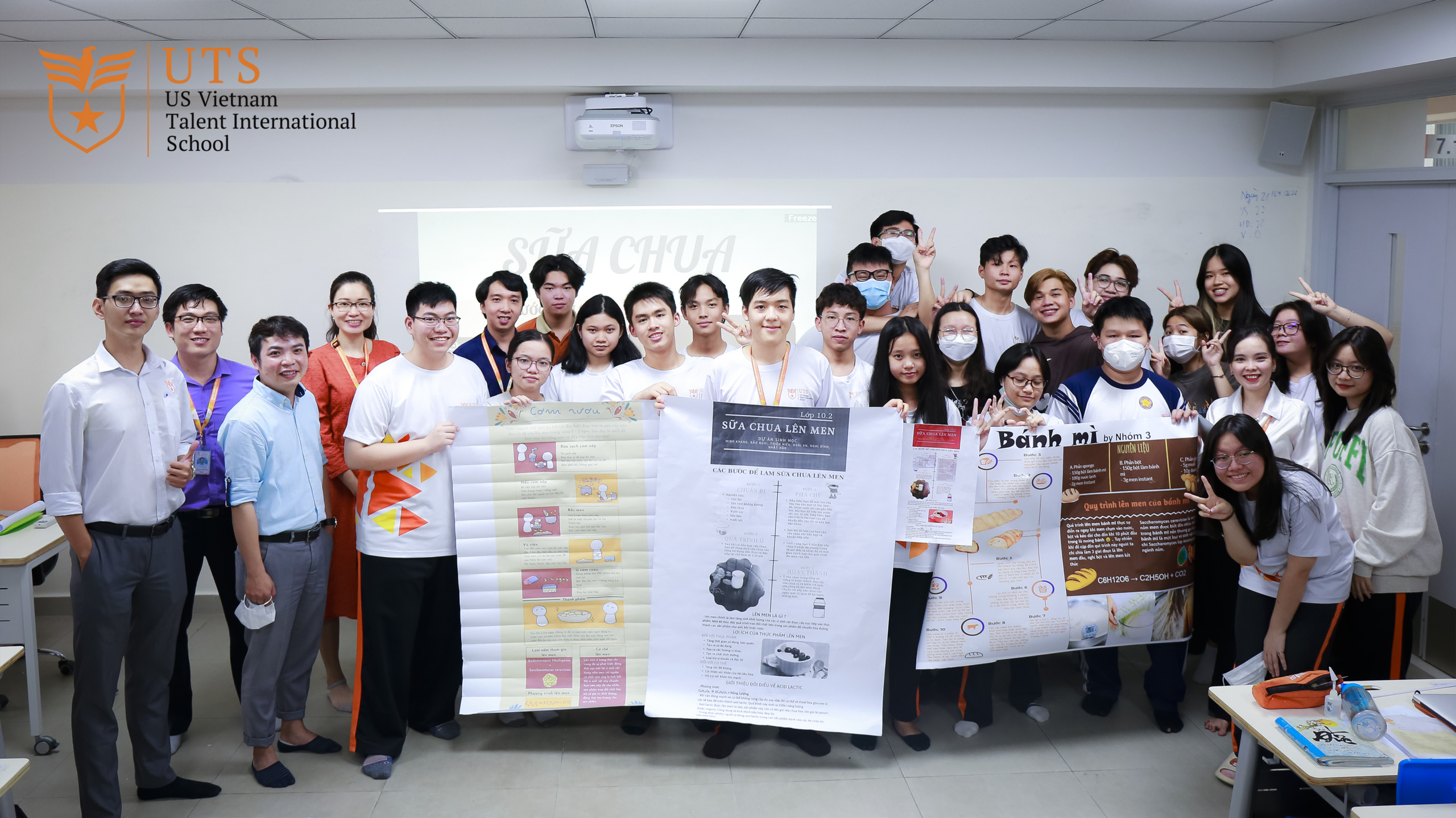
It was not difficult to complete the above-mentioned fermented products. However, for students to perfect their own products was a valuable opportunity for UTS-ers to develop their own skills. UTS-ers not only learn new knowledge but also develop and improve their creative skills and coordinate effectively with their teammates to complete the project.
“Industrial Park” Project
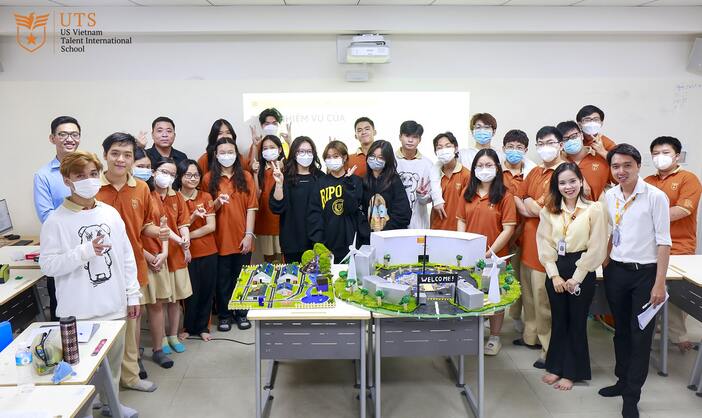
UTS-ers have had the opportunity to maximize their thinking and creativity through the “Industrial Park” project, applying software proficiency to sketch and design visual models. Perhaps, this way of learning and practicing will help students understand, analyze the situation and the process of industrialization and modernization of the country as well as some key industries in Vietnam in general and the Southeast region in particular.
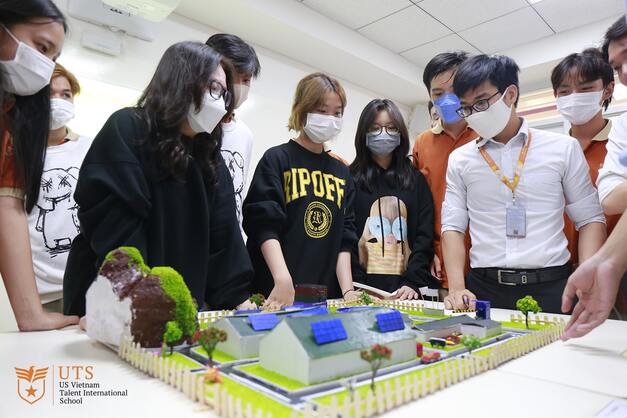
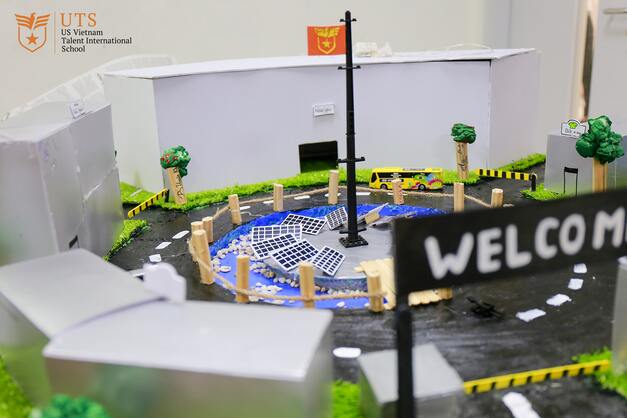
Mr. Vinh Thuy – Geography teacher shared: “I am proud and happy to receive the product and the report of students, this is the project that requires high meticulousness as well as reasonable assignment of the members of each group. They have shown great interest, focus and responsibility to get the team’s product. Technically, they have come up with their own ideas, sketches and used Tinkercad software very well. This will be a new direction for UTS students to get acquainted and have background knowledge with the fields of design, graphics, planning and territorial organization.”
“Generator – Transformer” Project
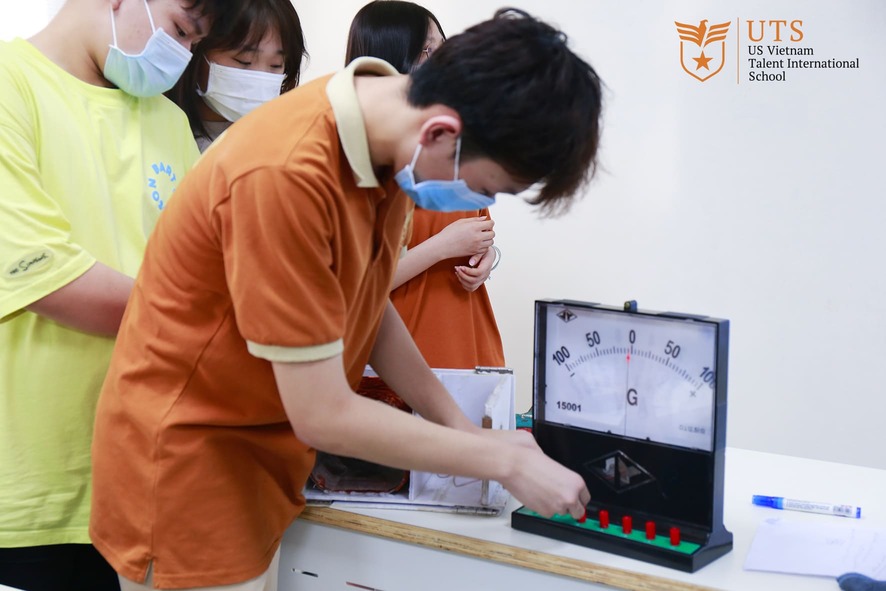
In the “Generator – Transformer” project, based on the principle taught before, UTS-ers themselves designed the paradigm of their group with an optimized and neat direction. Together, the students recycled the copper lines in old electric wires, propperly curied them to form a transformer, an alternator that are capable of lighting.
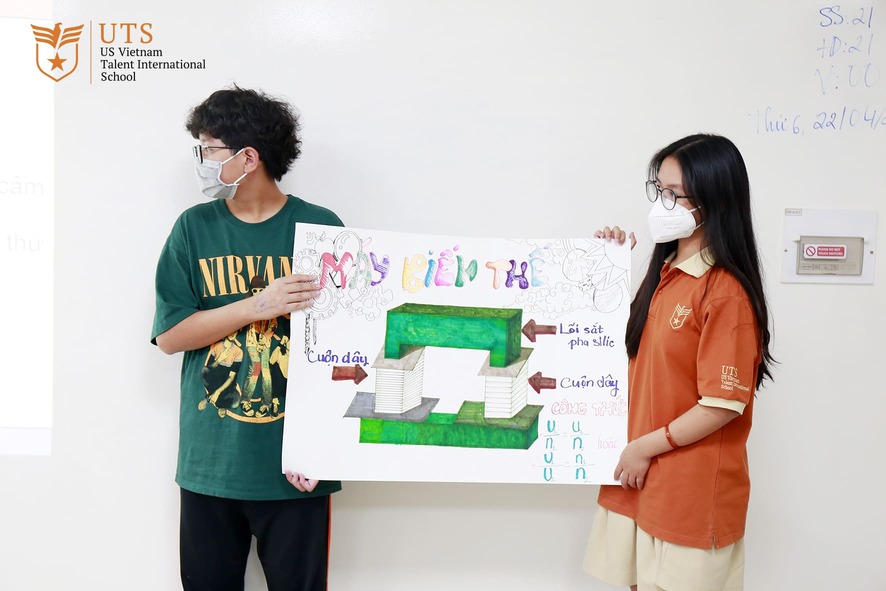
The project guided students to develop their STEM ability ranging from planning, generating, manufacturing, test operating, result report, and specially to give students the opportunity to applying their raw knowledge into really to create a useful product.
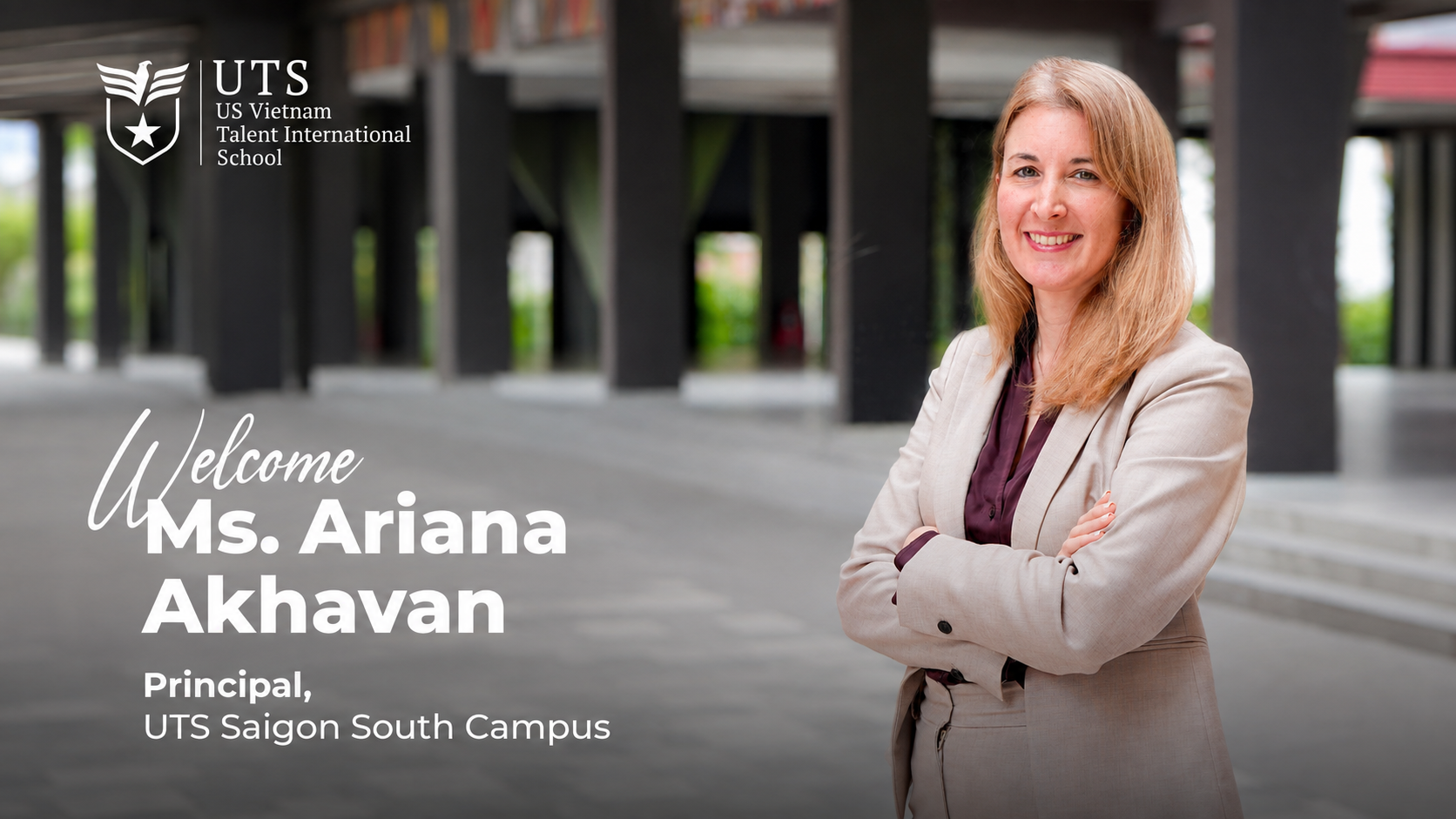
Welcoming Ms. Ariana Akhavan – Principal of UTS Saigon South Campus
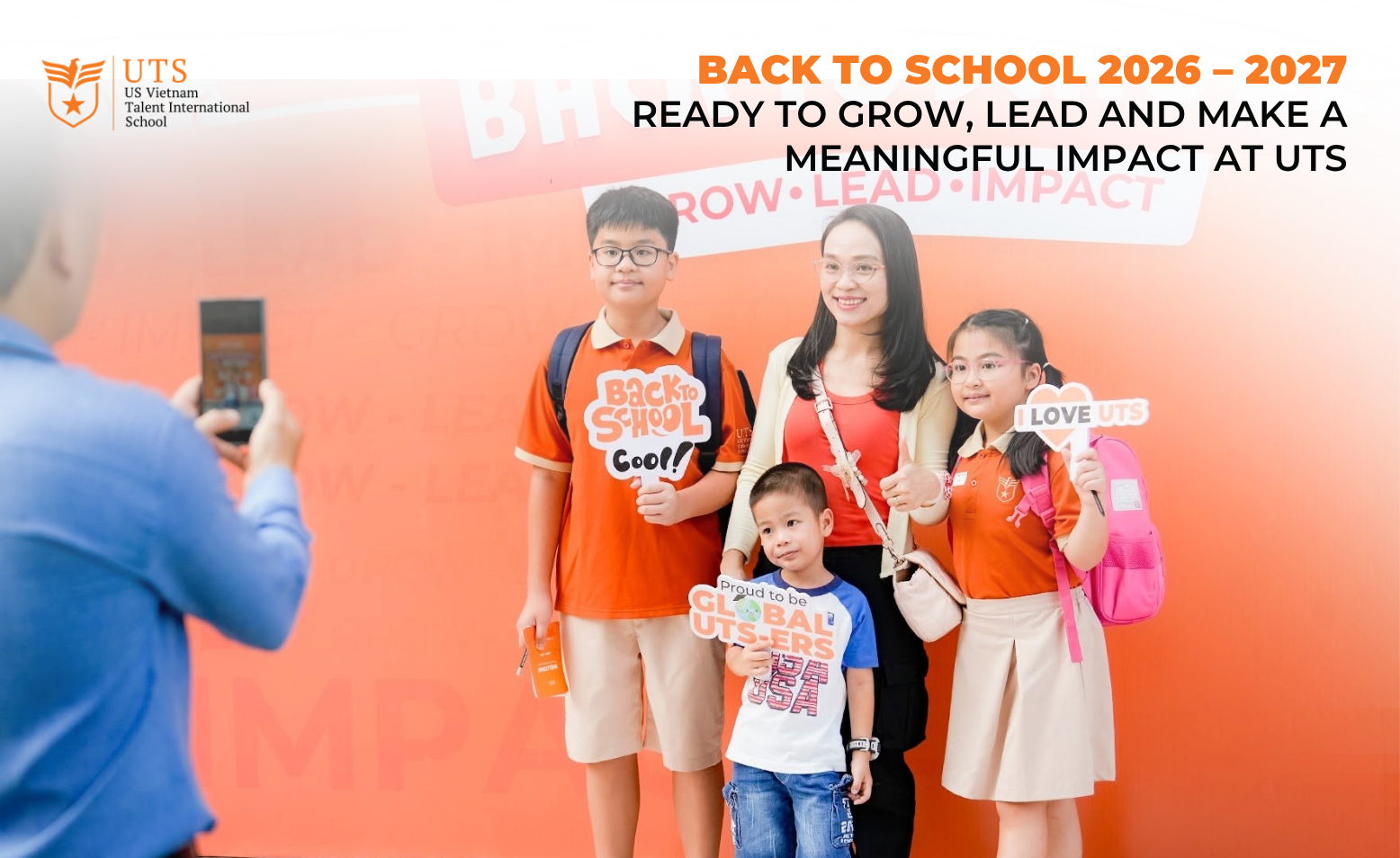
Back to School 2026 – 2027: Ready to Grow, Lead and Make a Meaningful Impact at UTS
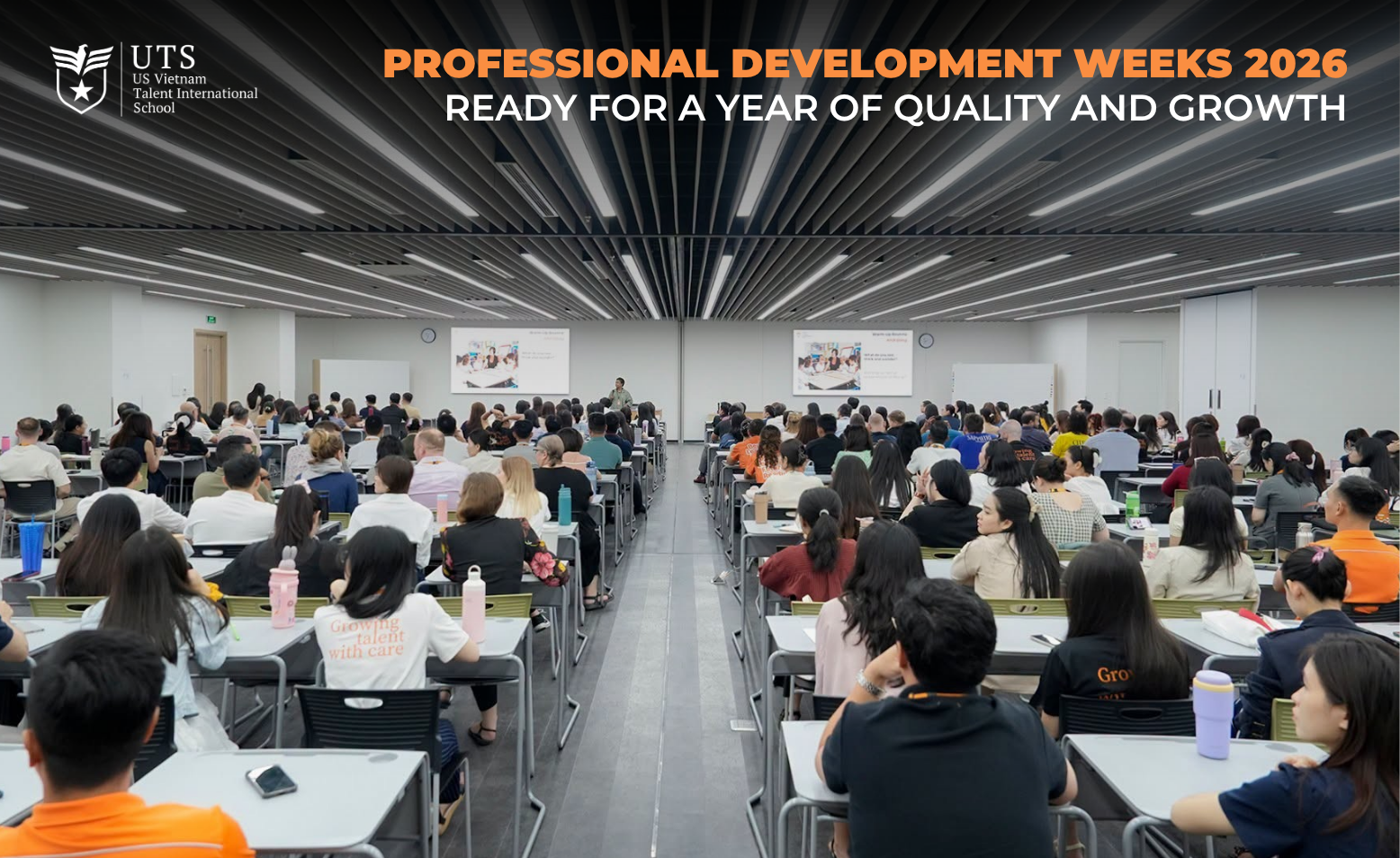
Professional Development Weeks 2026: Ready for a year of quality and growth
UTS One – The one parent portal for UTS