Nurturing a love of Learning with the National Program at UTS

National Program at UTS: 

The National Program is a standard program under the new curriculum framework of the Ministry of Education and Training for all levels of education. At UTS, this program is more optimized and focused on practice to help students master general knowledge, effectively apply learned knowledge and skills to life. Besides, UTS likewise equip students with essential knowledge and skills so that can choose appropriate future careers and lifelong learning as well as understand how to build and grow in harmony with social relationships, freely express oneself and enrich spiritual life.

Teaching Methods

UTS students have access to the optimized National High School program through many methods: project-based class, inquiry based class, reversed class, etc. These are modern methods which are studied to bring higher efficiency than traditional learning methods. As a result, students acquire knowledge more actively, arouse their passion for learning and discovery. Moreover, students will more effectively grasp the focus of each subject. In addition, several UTS learning projects connect multiple subjects, giving students not only the opportunity to study each subject individually, but also to link interdisciplinary knowledge and apply it in practice.

UTS operates concurrently the National High School Program with the International Program and the Growing Talent Program; it provides students with lessons associated with traditional Vietnamese values, assists them in appreciating and promoting traditional features in the community, and encourages students to become global citizens who are always prepared for future changes.

Let’s take a look at the outstanding classes in the last 2021-2022 school year!

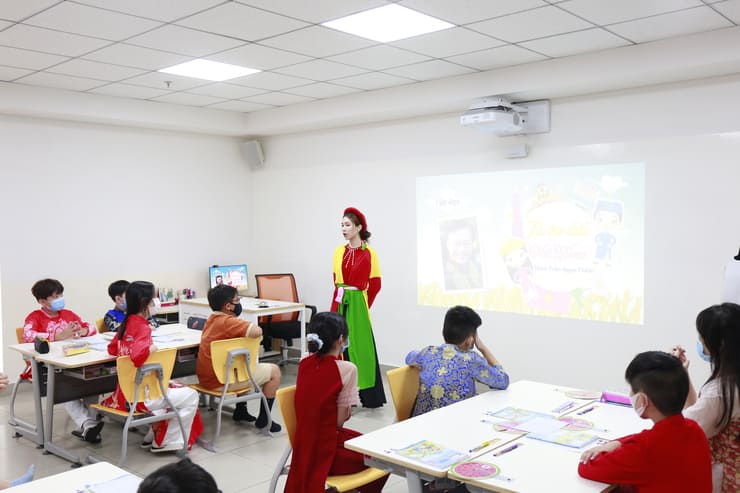
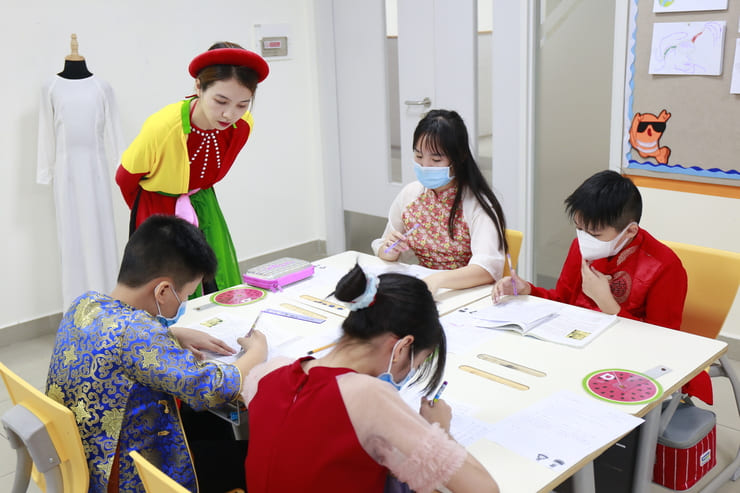
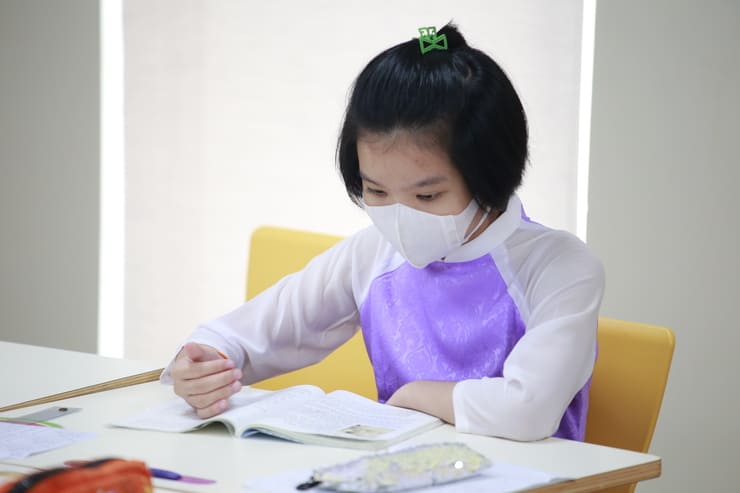
1.  “Ao dai of Vietnamese” Project – Vietnamese Class – Grade 5

This is a project about Vietnamese traditional ao dai in Vietnamese class 5 by Ms. Bich Quy. By practical application to theory, they temporarily left  the familiar school uniform and instead  put on the traditional Ao Dai as described in the lesson. This made the lesson more interesting and helped students be impressed with the lesson, have an insight into the culture, tradition and develop national pride.
áo dài 1

aodai3

aodai4

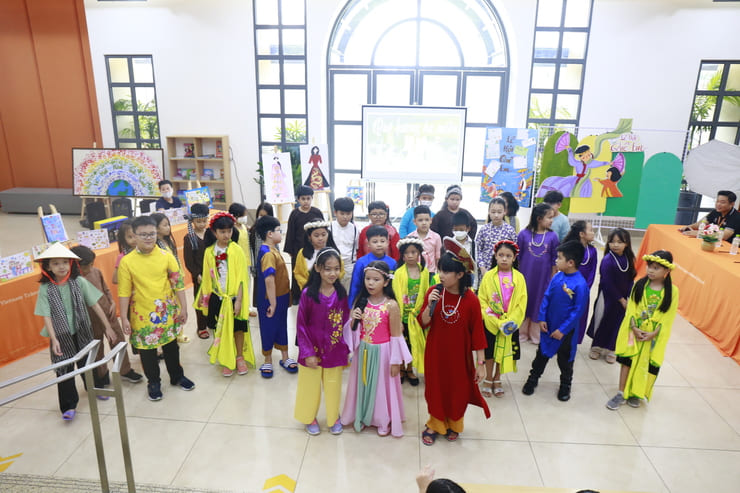
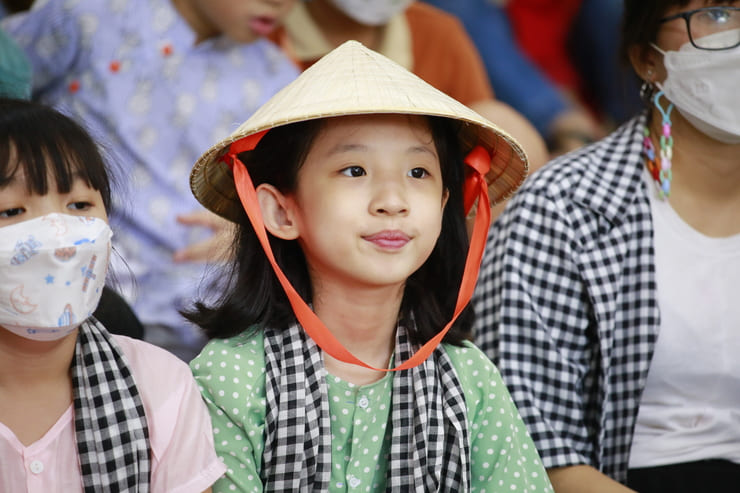
2. “My hometown festival” Project – Vietnamese Class – Grade 3

Stepping out of the classroom space, students can acquire new knowledge more intuitively and vividly when participating in a village festival organized by themselves with the help of teachers. The performances of Ao Dai, folk songs, and presentations were confidently performed by the children in a lovely yet professional manner.
lehoi2

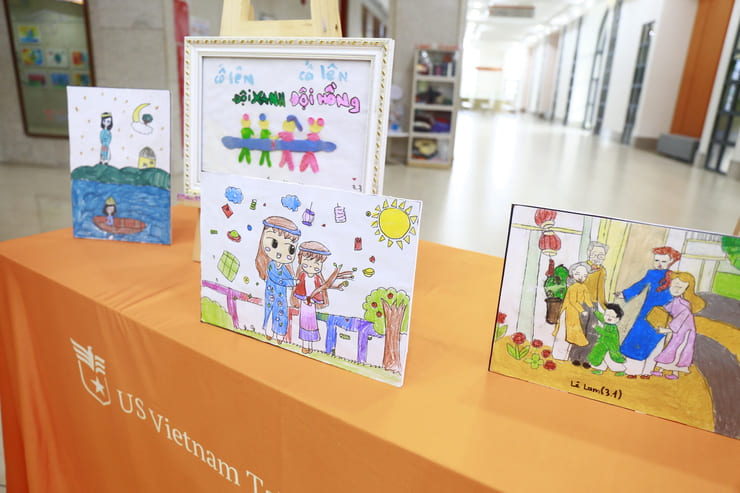
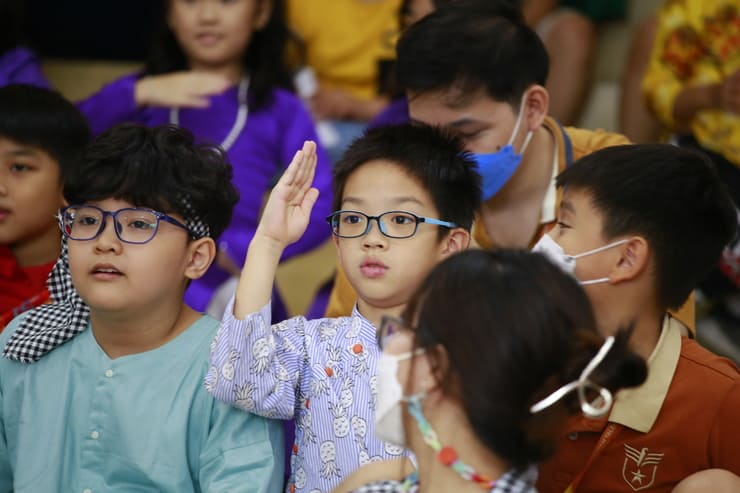
Effective learning is not necessarily about focusing on books, sometimes it is practical experience activities that help students have better memory. Besides studying, this was also an entertainment playground for children to make friends and had more comfortable moments in studying and going to school.
lễ hội1

lehoi3

lehoi4

3. “Discovering the seasons and nature” – Nature and Society – Grade 2

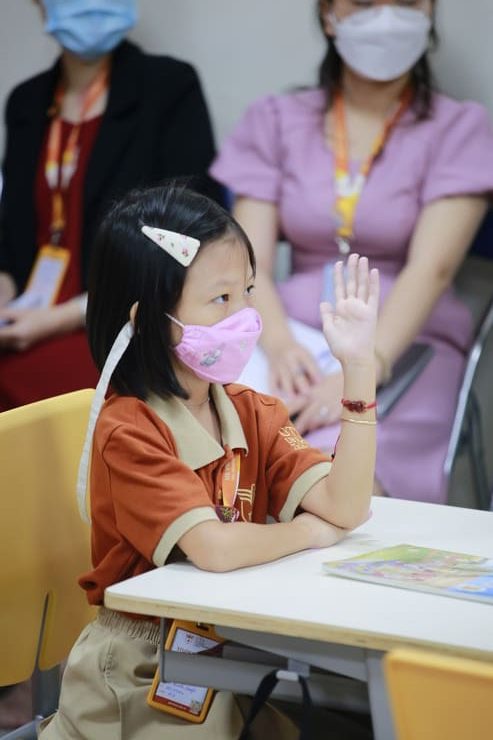
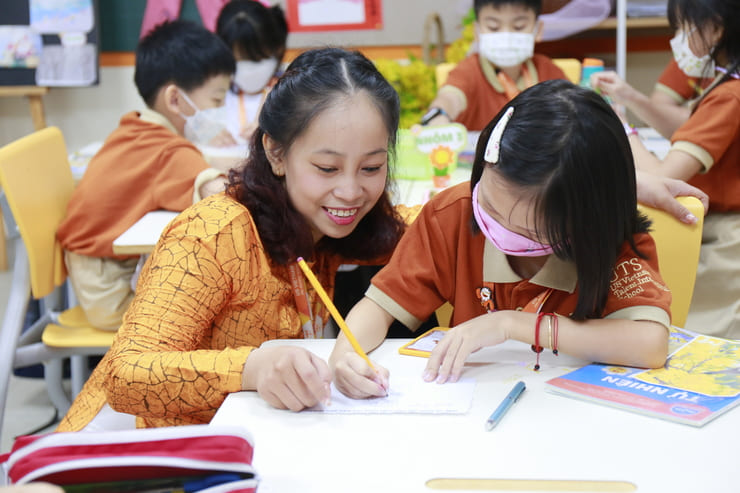
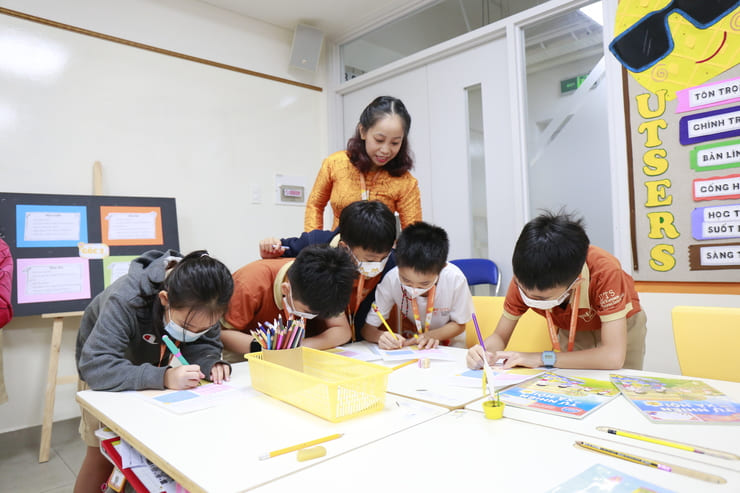
Nature & society subject is an important subject for primary school children because they are at the age of learning about the colorful world. In this class, the children worked in groups and together explored the seasons and nature around them, solving problems posed by the teacher. With the help of the teacher, children were more assertive in speaking in front of the class, stimulating self-learning, and increasing interaction in the classroom.
khoa học1

khoa học 3

khoa học

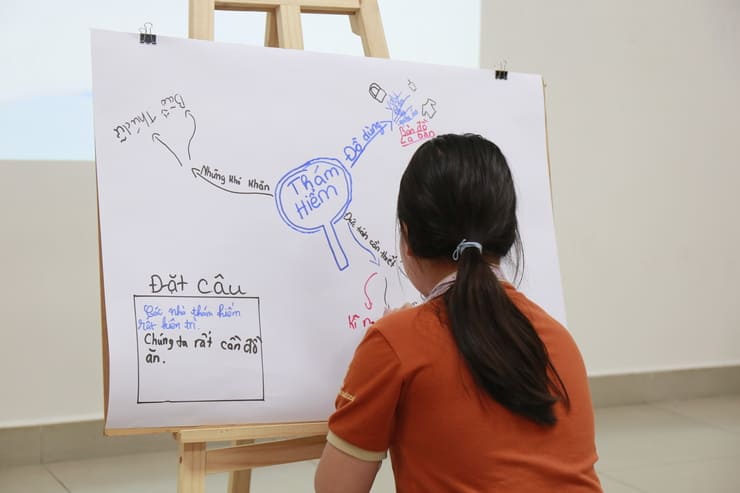
4. “Adventure travel” – Vietnamese Class – Grade 4

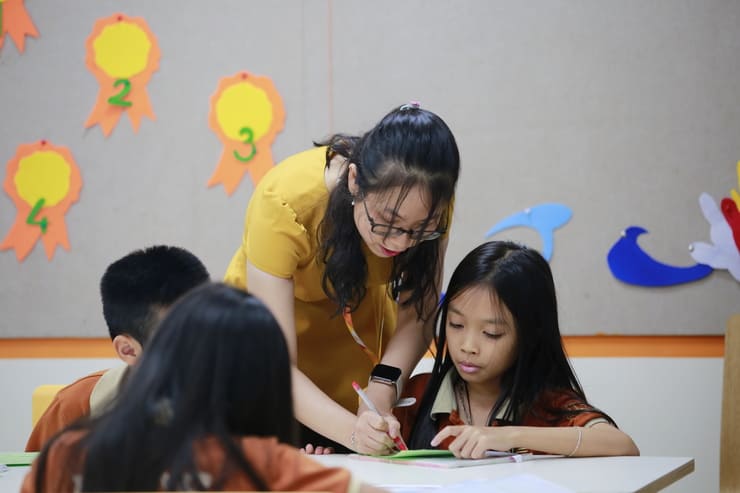
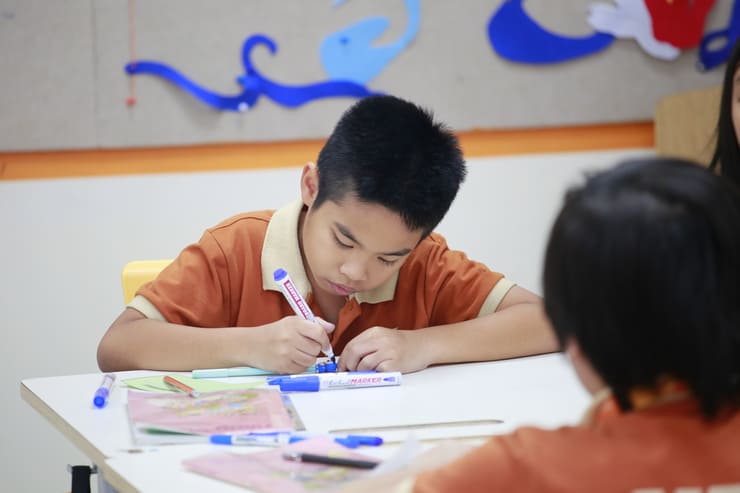
What if the class was an adventure tour? Ms. Phuong Linh’s Vocabulary and Sentence Practice class was an interesting journey that took you on an adventure tour to explore 5 oceans right at UTS. Children designed their own diagrams of vocabulary related to adventure travel and made sentences with those words. Then they presented their group’s work and listened to sincere feedback from teacher  and other group members.
dulichj1

dulich1

_MG_2984

5. “Little Teaching Assistant” – Math class – Grade 3

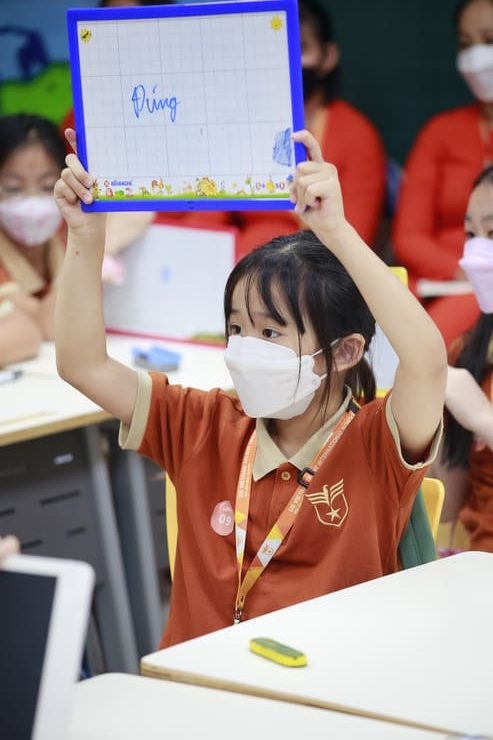
Math was no longer be boring when transformed in a more interesting way by Ms. Thuy Trang. Instead of focusing on learning knowledge and solving problems in the traditional way, the lesson  was a simulation of a flight and the students were the passengers with the guidance of an assistant student in the role of a flight attendant accompanying them on that math flight. The purpose of learning Math is to help children understand Math concepts and develop curiosity. The same is with learning math, solving exercises and answering questions, but this is a lesson that has impressed and stimulated the desire to learn.
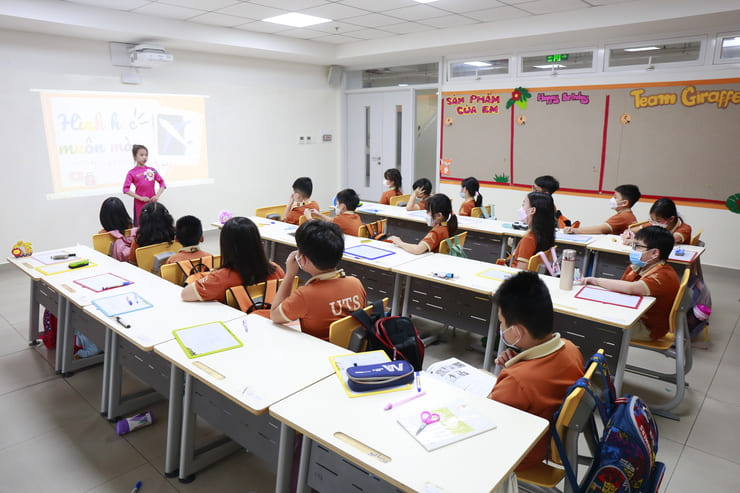
6. “Connecting knowledge” – Interdisciplinary – Grade 4, 5
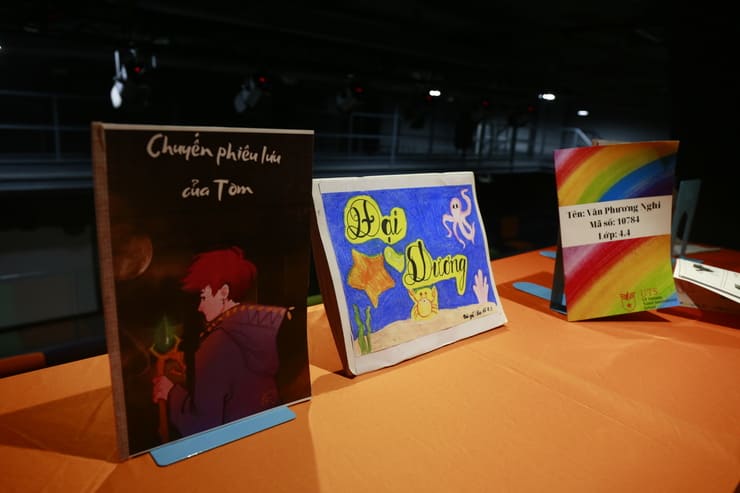
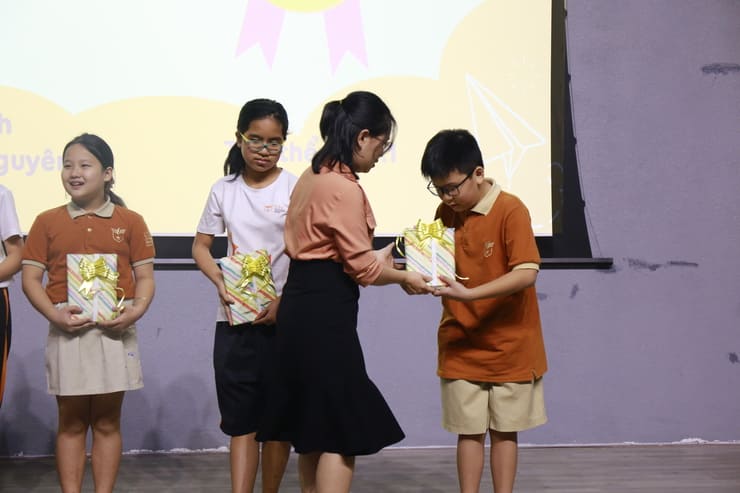
Understanding the importance of reading and also being one of the school’s orientations for UTS-ers, elementary school teachers organized a reading project “Connecting knowledge” specifically for students in grades 4 and 5. As a project combining three subjects: Vietnamese, fine arts and informatics, this formed and nurtured a reading culture for students to help them prepare for adding school skills and gaining new insights. During these six exciting weeks, the children had the opportunity to use their creativity and meticulousness to create bookmarks, book covers. Moreover, students learnt how to create unique stories and carry many meaningful messages. The products were displayed and introduced to everyone during the “Book Review” week. Through this project, in addition to helping children gain more knowledge in many fields, understand traditional cultural values ​​and national spirits, the project “Connecting knowledge” also gave them the opportunity to practice their skills to cultivate necessary competencies in the 21st century.
Other news
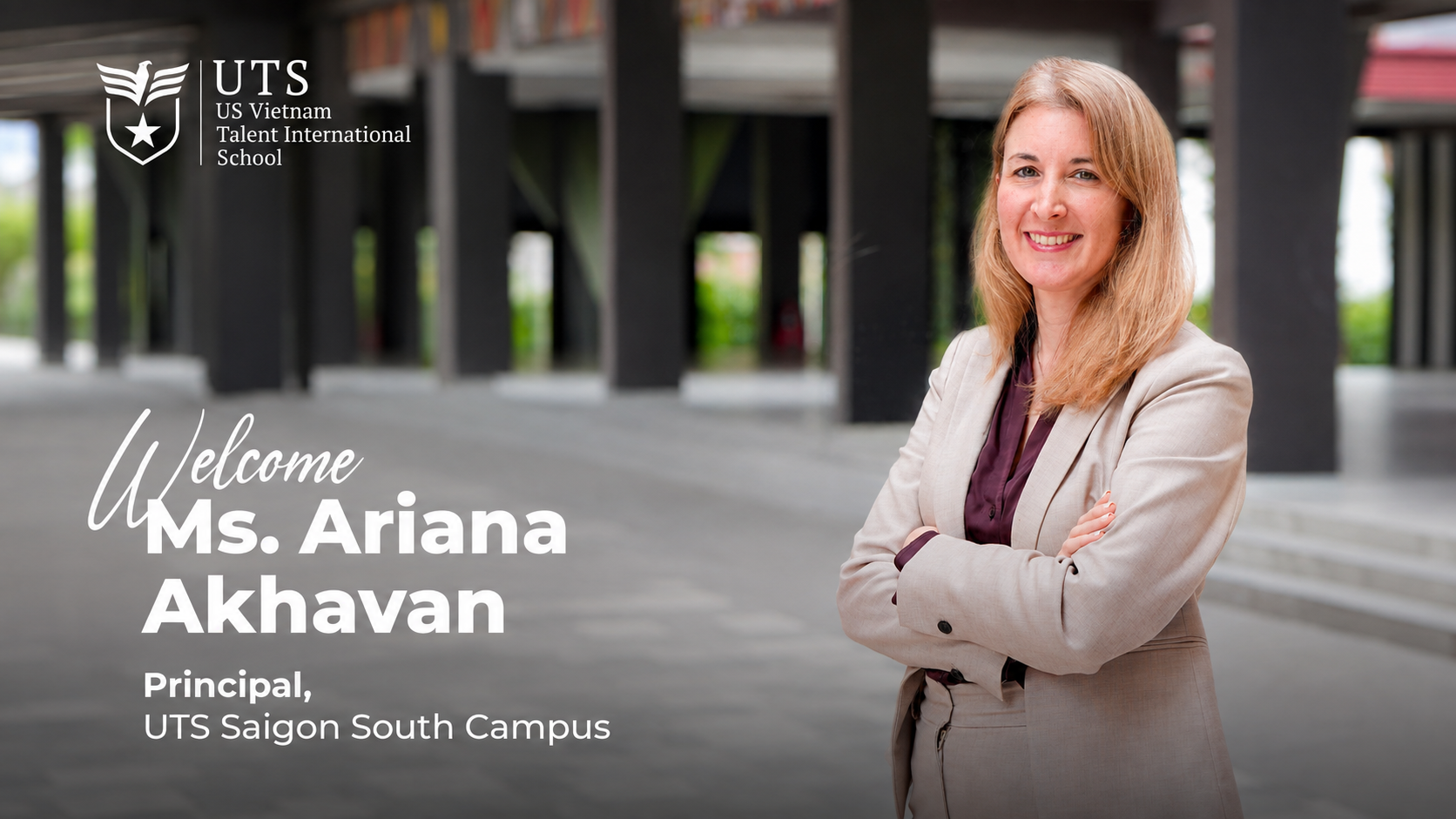
Welcoming Ms. Ariana Akhavan – Principal of UTS Saigon South Campus
News

Welcoming Ms. Ariana Akhavan – Principal of UTS Saigon South Campus

As UTS enters the 2026–2027 academic year, US Vietnam Talent International School officially welcomes Ms. Ariana Akhavan as Principal of UTS Saigon South Campus. With nearly 20 years of experience in education, including 10 years in senior leadership roles across national and international schools, she will work alongside the UTS community to create an environment where every student is empowered to fulfil their potential and become future-ready. Nearly 20 years in international education Born and raised in London in a multicultural family, Ms. Ariana was exposed from an early age to diverse traditions, languages, and perspectives. These experiences shaped her appreciation for differences and her belief in the value of diverse and inclusive communities. It was also in London that her passion for education began, taking her from the classroom as a teacher to becoming an educational leader with experience across both national and international settings. Ms. Ariana holds a BA (Hons) in History from Royal Holloway, University of London; a Postgraduate Certificate in Education (PGCE) in History from the University of Roehampton; a Master’s degree in Education from St Mary’s University, London; and the National Professional Qualification for Headship (NPQH) from Best Practice Network. Over nearly 20 years in education, including 10 years in senior leadership roles at national and international schools in the United Kingdom and Malaysia, Ms. Ariana has led and contributed to initiatives in curriculum innovation, school improvement, inclusive and multilingual education, professional development, staff health and wellbeing, safeguarding, and the enhancement of teaching and learning. “I believe that, first and foremost, an educator must also be a lifelong learner.” Ms. Ariana Akhavan brings nearly 20 years of experience in education, including 10 years in senior leadership roles across national and international schools Every student has their own unique talents Throughout her journey in education, Ms.
Back to School 2026 – 2027: Ready to Grow, Lead and Make a Meaningful Impact at UTS
News

Back to School 2026 – 2027: Ready to Grow, Lead and Make a Meaningful Impact at UTS

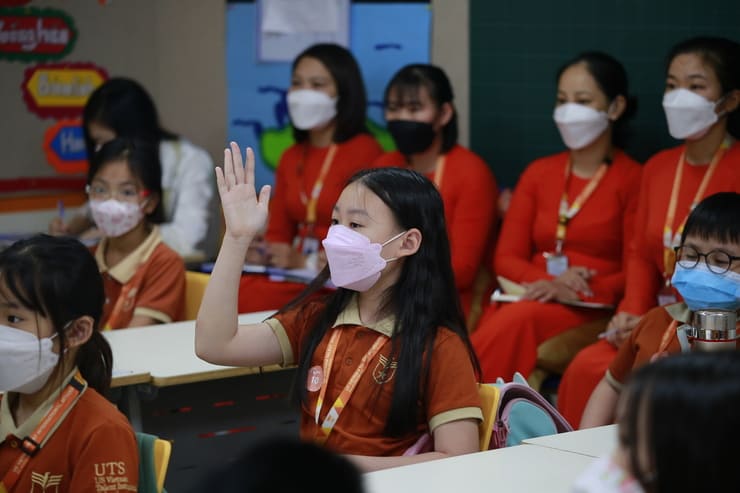
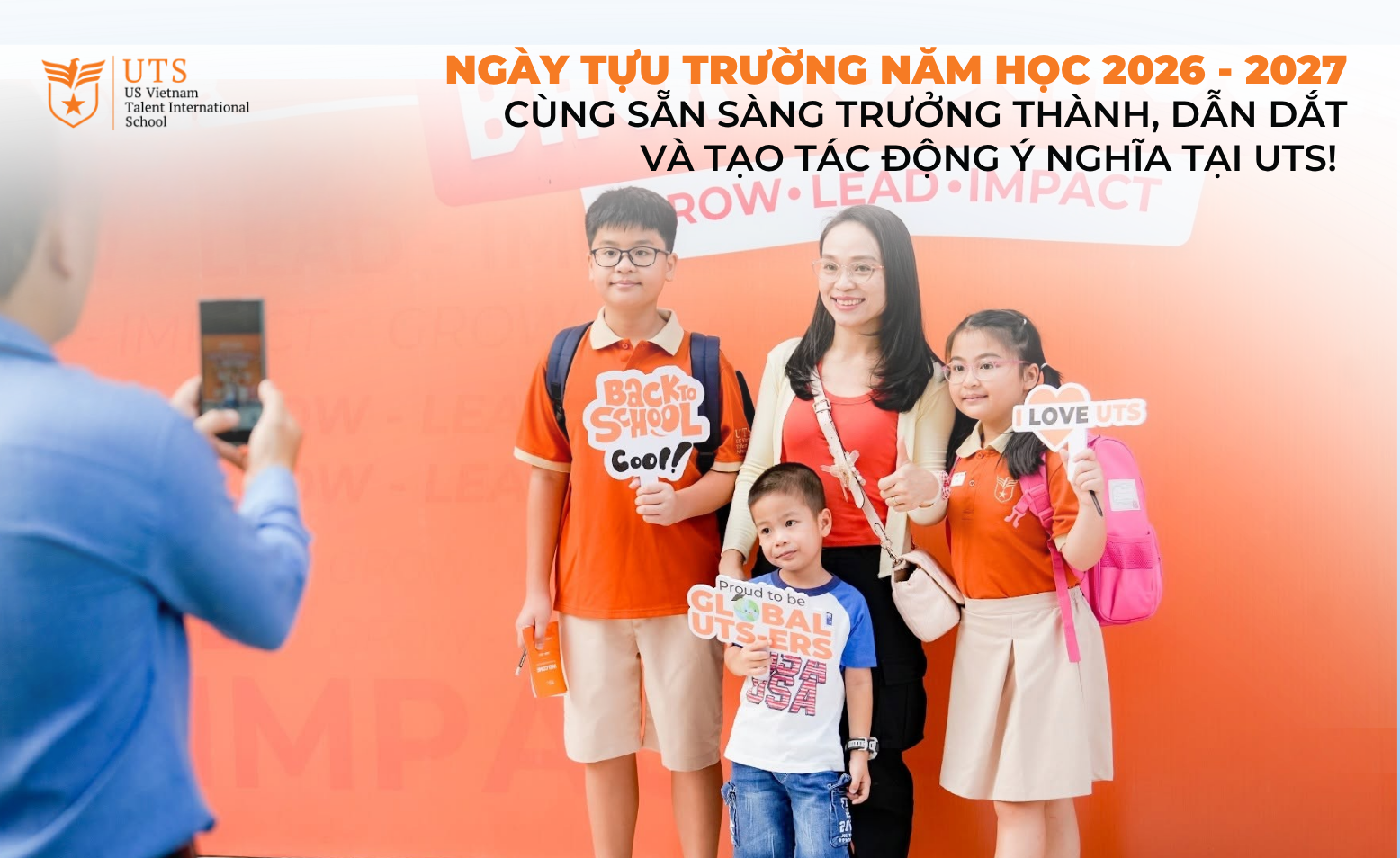
After the summer break, students officially returned to school, bringing with them bright smiles, excitement, and plenty of energy for the new academic year. From reunions with friends and warm welcomes from teachers to their first experiences back in the classroom, a new journey has begun – one where every UTS-er continues to GROW, LEAD and make a meaningful IMPACT. The energy of back to school fills UTS From the very first hours of the day, a lively atmosphere could be felt across UTS campuses. After the summer break, old friends reunited, new students took their first steps into the UTS community, and teachers were ready to welcome everyone back with familiar smiles and warm greetings. UTS-ers excitedly reunite with friends on the first day of the academic year Behind this exciting first day was the thoughtful preparation of the School team – from classrooms and shared spaces to welcoming activities – ensuring that every student returning to UTS could feel safe, positive, and at home, ready for the new experiences ahead. First experiences of a new journey The first day was about more than simply reuniting. Back in their classrooms, UTS-ers began settling into the rhythm of the new academic year, reconnecting with their homeroom teachers and classmates, and learning the essential information they would need for the journey ahead. Each activity also provided an opportunity for students to reconnect with their learning environment – actively participating, asking questions, sharing their thoughts, and working together to build a positive classroom community.  UTS-ers actively connect, share, and participate in activities on their first day back in the classroom. For students joining UTS for the first time, the support of teachers and friends helps them gradually become familiar with their new environment, build confidence in connecting with others, and feel ready
Professional Development Weeks 2026: Ready for a year of quality and growth
News

Professional Development Weeks 2026: Ready for a year of quality and growth

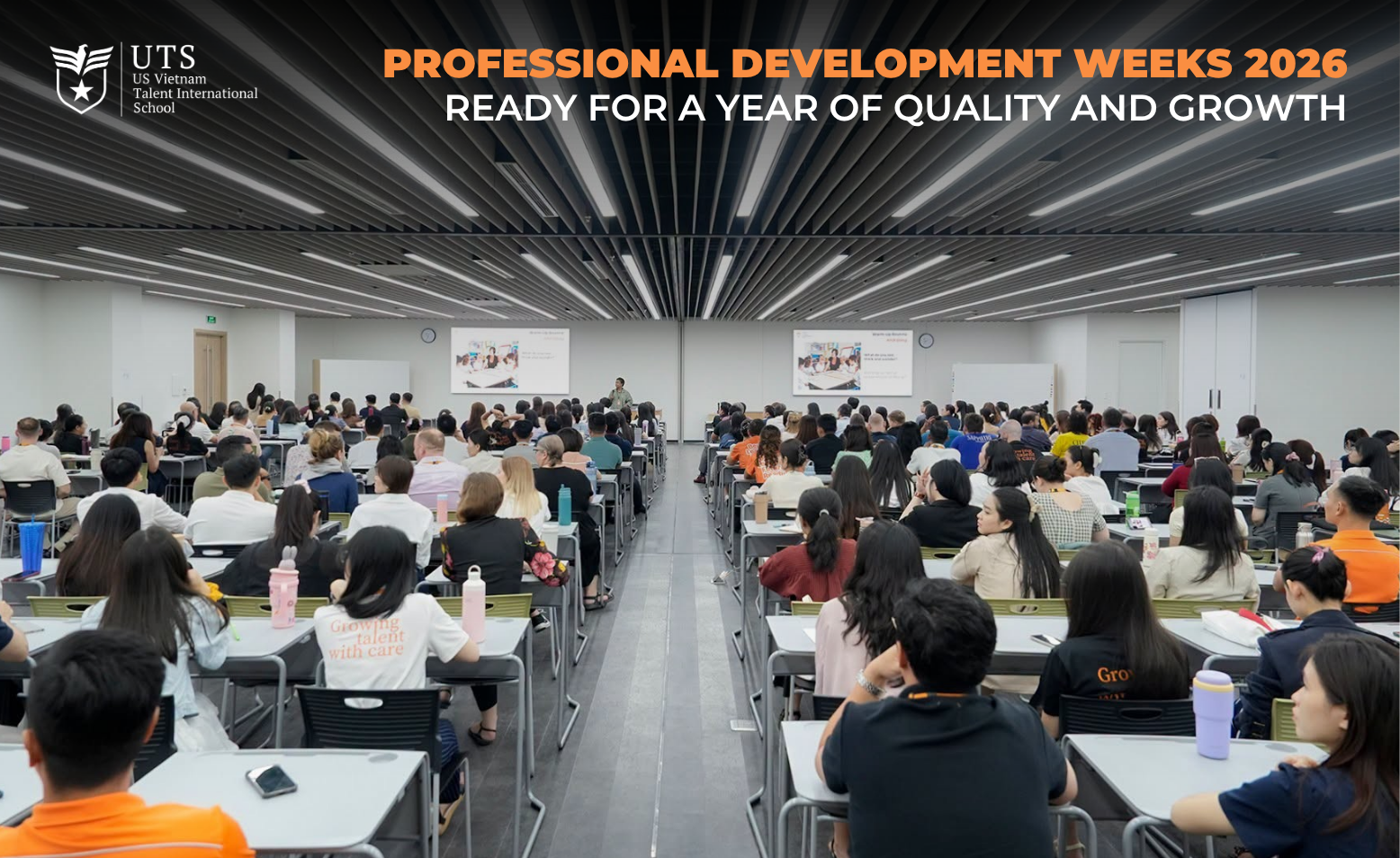
Before the 2026–2027 academic year officially began, UTS teachers and staff came together for Professional Development Weeks 2026 – two weeks dedicated to learning, connecting, and preparing for the journey ahead. At UTS, a quality learning experience for students always begins with the continuous growth of the educators who support them. UTS educators come together around a shared educational vision  Professional Development Weeks (PD Weeks) is an annual professional development programme at UTS, providing an opportunity for the entire team to reflect on achievements, update their knowledge, share experiences, and align on key priorities for the educational journey ahead. The programme began with a whole-school gathering that brought together the UTS community. During the event, educators who demonstrated dedication and made meaningful contributions throughout the 2025–2026 academic year were recognised for their efforts and impact in nurturing students’ talents. Addressing all teachers and staff, Ms. Anita Spittle – Head of School at US Vietnam Talent International School – reaffirmed UTS’s educational philosophy, vision, mission, and theme for the academic year, ensuring that every educator shares a common understanding and commitment to the School’s goals. Continuously enhancing the quality of teaching and learning A key focus throughout Professional Development Weeks was strengthening the team’s professional capabilities and further enhancing the quality of educational practice. The training sessions explored practical questions that educators encounter every day in the classroom: How can we establish and maintain positive expectations? How can we design a classroom environment that encourages students to become independent learners? How can we identify students’ different needs and provide the right support for each of them? Nurturing a growth mindset in every educator  If students are encouraged to continuously explore, learn, and grow, the educators who accompany them on that journey must embrace the same mindset. Through sessions on “Growth Mindset”
UTS One – The one parent portal for UTS
News

UTS One – The one parent portal for UTS

UTS One is the official and all-in-one parent portal for the UTS community, designed to provide a seamless, integrated and modern connection between families and the School. Instead of using multiple standalone applications and communication channels such as ManageBac, the student pick-up and drop-off application, school bus app, service registration, club registration or unofficial Zalo groups, parents can simply access UTS One to stay connected with everything that matters in one place. As the School’s official communication platform, UTS One ensures that all interactions between parents and the School are efficient, transparent and consistent. Through UTS One, parents can monitor their child’s learning progress, timetable, attendance, homework, behaviour and achievements, while also managing student and parent profiles, staying updated with school news and events, submitting leave requests, registering for clubs and school services, and communicating directly with the School. By bringing these essential features together on a single platform, UTS One makes it easier for parents to stay informed and actively support their child’s learning journey. Looking ahead, UTS will continue to enhance UTS One by introducing new features, including online tuition and service fee payments, as part of our commitment to building a comprehensive digital ecosystem. This ongoing development aims to provide parents with an even more convenient and connected experience throughout their child’s educational journey at UTS. Click HERE to view the UTS One installation and user guide.
What Is Project-Based Learning? Exploring a Modern Educational Approach at UTS
News

What Is Project-Based Learning? Exploring a Modern Educational Approach at UTS

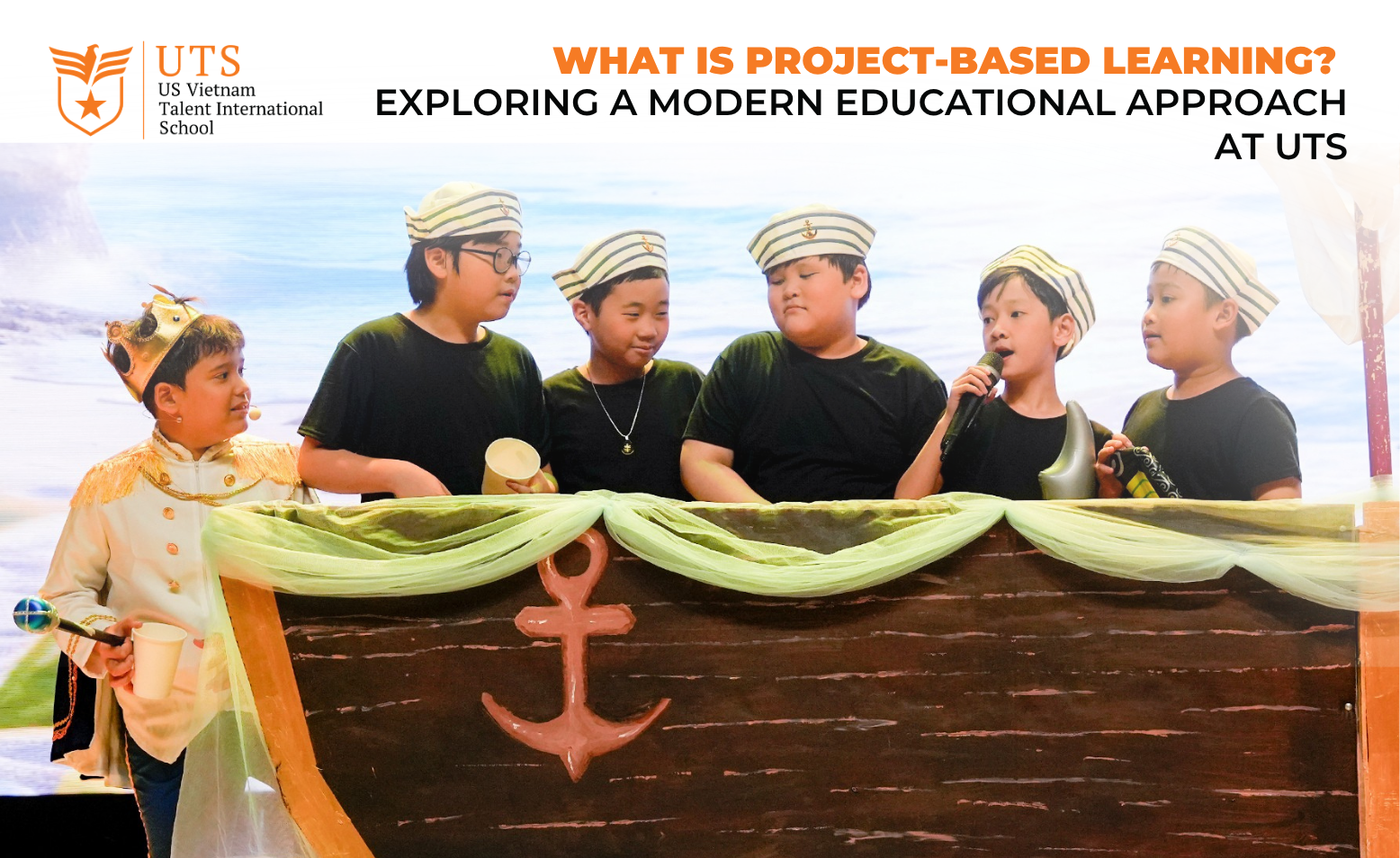
In the context of today’s constantly evolving education landscape, Project-Based Learning (PBL) has become one of the approaches adopted by many international schools to support students’ holistic development. At UTS International School of South America, students do not only acquire knowledge from textbooks, but also take part in real-world projects, actively explore ideas, and create their own learning products. So, what is project-based learning, and how is it applied to optimise students’ learning outcomes? This article will help parents and students better understand this learning model. What Is Project-Based Learning (PBL)? Project-Based Learning (PBL) is a student-centred educational approach in which students actively explore, research, and solve real-world problems through learning projects. Instead of only learning theories, students combine knowledge with practical experiences to develop thinking skills, teamwork, and problem-solving abilities.. Project-Based Learning is becoming increasingly popular in modern education The 5-Step Cycle of a Learning Project (*) A learning project following the Project-Based Learning (PBL) approach is often implemented through a clear process, helping students gradually transform knowledge into practical products. Below are the key steps: Step 1: Identifying Ideas and Driving Questions Students begin with a real-world problem or a guiding question under the teacher’s guidance, then define the goals and scope of the project. Step 2: Planning and In-Depth Research Students divide tasks, search for information, analyse data, and develop a suitable implementation plan. This stage requires students to apply critical thinking, problem-solving, and teamwork skills. Step 3: Implementation, Testing, and Adjustment During the implementation process, students apply what they have learned, test their solutions, and improve their products based on feedback. Step 4: Completing the Practical Product Based on their ideas and research outcomes, students complete products that can be presented, applied, or shared with others. Students create practical models and products in each project Step 5: