
News
News & Events
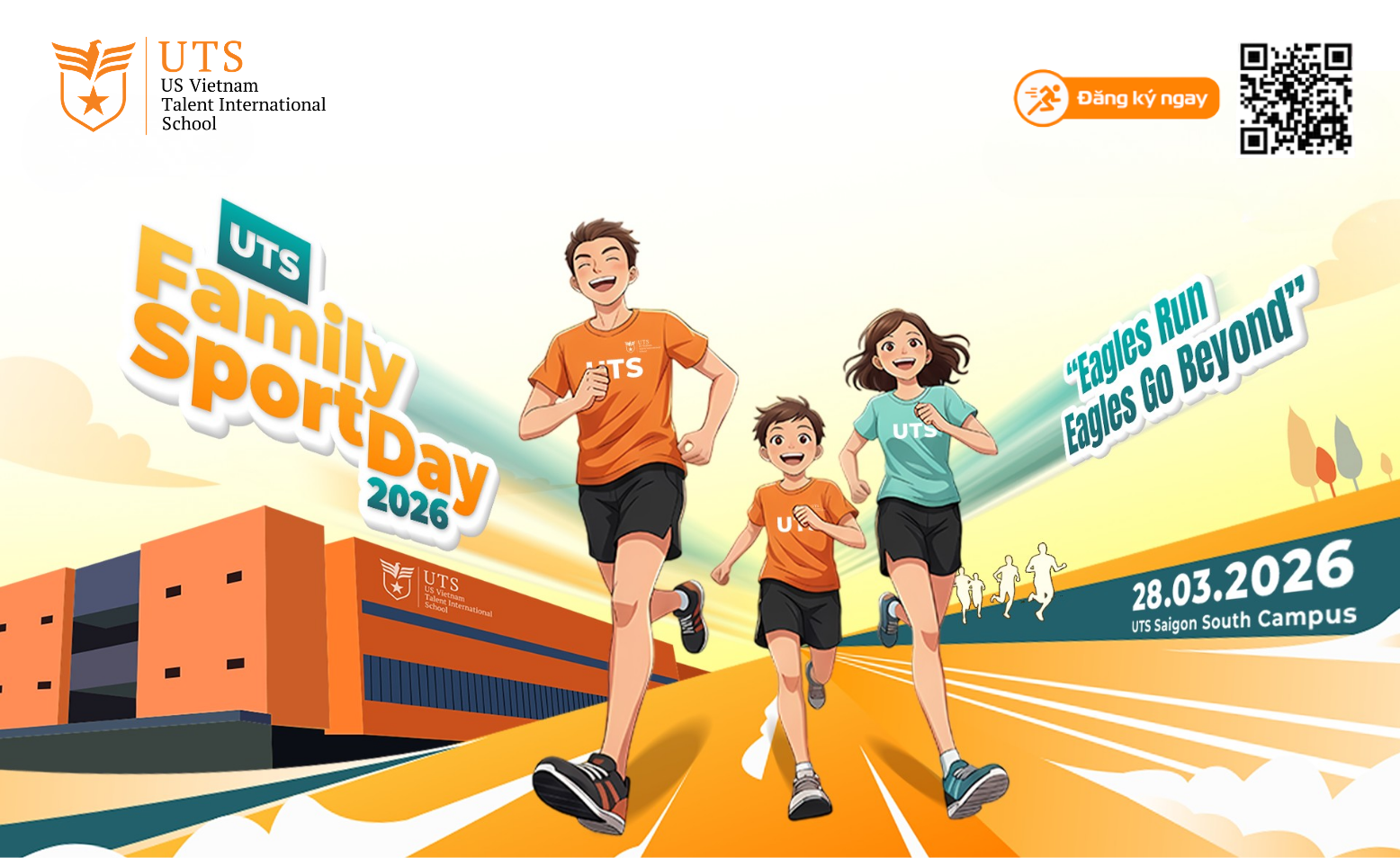
UTS Family Sport Day 2026 “Eagles Run, Eagles Go Beyond” officially returns
The annual UTS Family Sport Day 2026 will bring a vibrant celebration where families can run together and connect with the UTS community.
News & Events
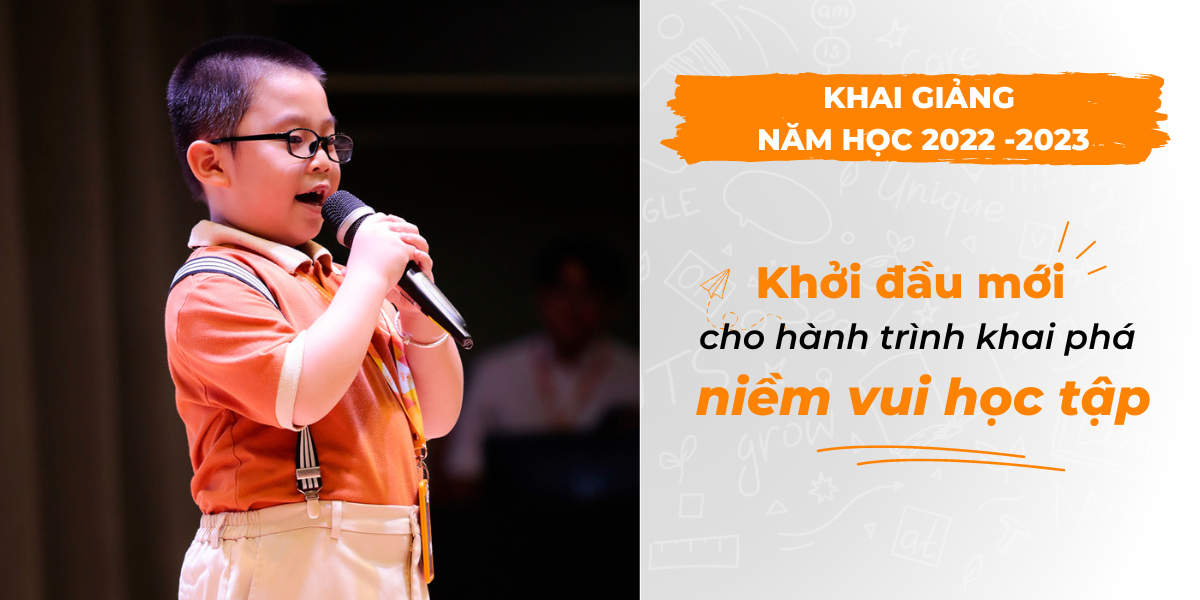
School Year 2022-2023 Opening Ceremony | The Start Of ”The Joy Of Learning” Journey
September 5th, 2022, US Vietnam Talent International School held the opening ceremony of the 2022–2023 school year with the participation of all UTS students, teachers, and staff. In this day, all students of both campuses gathered together to welcome a new intellectual journey in a joyful atmosphere tinged with nervousness. They patiently listened to the sharing and meaningful wishes from the delegates, the Board of Directors, and the UTS teachers. In addition, the wonderful musical performances that were performed by UTS talents also made the atmosphere of the ceremony more vibrant and meaningful. “There is only one thing I hope for this school year: that my beloved students are happy. Because happiness is not the destination, It’s the whole learning journey at UTS. With effort and hard study, I hope that the joy of learning is your goal. I believe that the knowledge gate will be wide open and UTS students will learn more and more valuable lessons as you grow up in the future.” – Ms. Nguyen Thi Ngoc Lan, Principal of UTS, shared at the opening ceremony. A new knowledge journey has officially started, UTS hopes that beloved students will have memorable moments, and work hard to sharpen their knowledge in order to achieve many new achievements in this school year.
News & Events
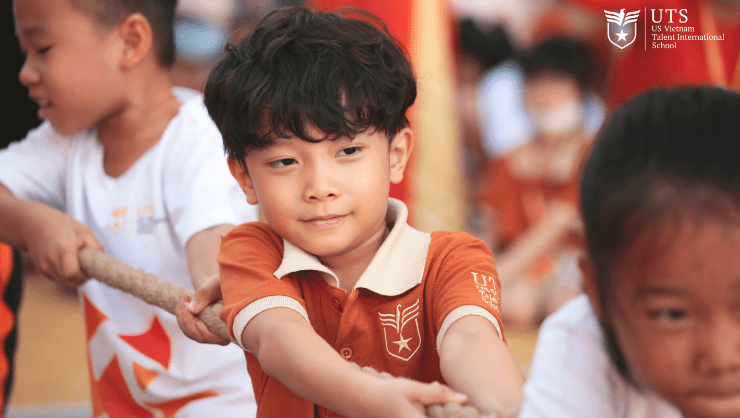
UTS-ers Are Full Of Energy With UTS Sports Day 2022
On May 9th, 2022, the opening ceremony of UTS Sports Day, which is the most awaited sporting event of the year officially began, which started a dynamic May for the UTS community. The atmosphere at the schoolyard exploded because of athletes from all grades and the enthusiastic cheering spirit of UTS spectators. In the first week of UTS Sports Day, the fiery competitions in the categories of Tug of War, Basketball, Chess took place extremely exciting. And in the upcoming rounds, UTS Sports Day promises to bring more surprises and attractions as the teams begin to go deep into the inner rounds to find the champions. Let’s take a look at the highlights of the opening ceremony
News & Events
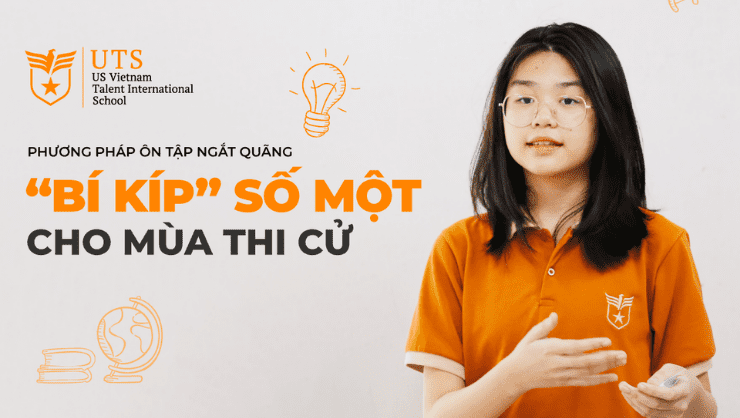
Space repetition method – Best “tips” for the exam season
Exam season has come very close. How far have UTS-ers reviewed? Has anyone ever memorized a lot the night before, only to forget a lot the next morning, leaving us extremely confused while reviewing and also while sitting the exam? UTS has found the “key” to overcome this problem, which is to use the method of spaced repetition. Thanks to this method, we have reviewed almost all the lessons and still remember them for a long time. Let UTS reveal to you a little about the method of spaced repetition. The method of spaced repetition is applied based on the psychological effect of interruption, as defined by Hermann Ebbinghaus, a famous German Psychologist. His research shows that the set of knowledge we learn in a certain period of time will be memorized in people’s short-term memories and quickly forgotten, just like in our review story. But when we repeat the same content many times at different times, our brain will put that amount of information into long-term memory, helping us remember longer. UTS will give a specific example. Normally we need 1 night to learn all the knowledge needed for the next day’s exam, but when using the spaced repetition method, you only need 30 minutes to study in the morning. At noon, 10 minutes of review in the evening, and 10 minutes of re-reading the next morning, in total, we only need about 40 minutes to remember the knowledge clearly, effectively, and long-term. This method can help you memorize a large amount of information and store it for a long time. The spaced repetition method can be applied and is effective in many different subjects and contexts. However, this method has a special impact when used to study and practice language subjects. A concrete example is learning
News & Events
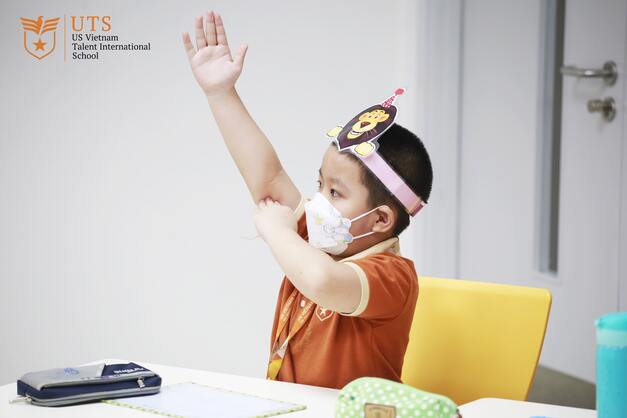
“Ring The Golden Bell” With UTS-ers: Gain More Knowledge And Enjoy The Experience
While other playgrounds in April at UTS have not cooled down, the Primary’s activity named “Ring the Golden bell” to celebrate Hung Kings Commemoration Day has returned. In recent years, “Ring the Golden Bell” has always been regarded as one of the most popular gameshows among UTS students. In this year’s version, students have to find a way to pass the challenge consisting of questions related to the theme of our hometown festival, with knowledge in many subjects such as History and Literatures. They also match some pictures together and color them to create a full and interesting story. UTS hopes that this “play to learn, learn to play” activity will help students to relax and have the opportunity to acquire knowledge in a natural way. Follow us to look back at the most wonderful moments of this activities!
News & Events
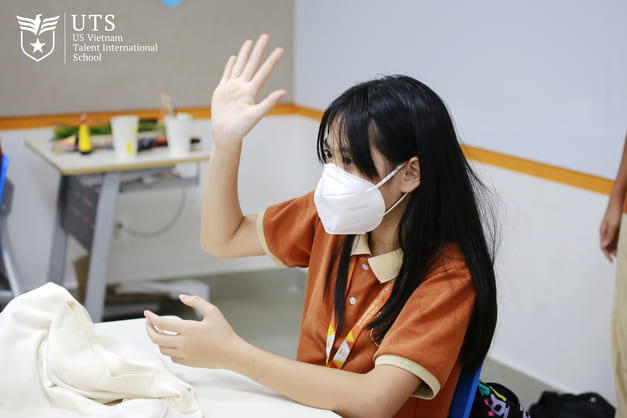
Food Waste Project: Protect The Environment From The Smallest Things!
It is estimated that each year, up to 100 million tons of food waste is generated from the processing industry worldwide, and the journey to overcome this is a long and multi-faceted aspect that requires us to be aware of responsibility, patience and commitment to take appropriate and timely actions to save the environment. UTS-ers in Grade 7 have implemented a food waste project which they dedicatedly researched the situation of food waste in the world and Vietnam. Not only that, they also interviewed friends and teachers to gather multi-dimensional views on this issue. At the end of the project, the children demonstrated their reporting skill when making a complete presentation to the whole class about what they had learned and came up with solutions. UTS-ers also spread strong messages on this topic by drawing posters calling for people to sign and promise not to waste food. Take practical action as part of our commitment to the food waste problem. UTS hopes that building learning projects related to environmental issues will help students improve their responsibility towards society and the world around them, thereby forming portraits of global citizens. Let’s take a look the memorable moments in this project!
News & Events
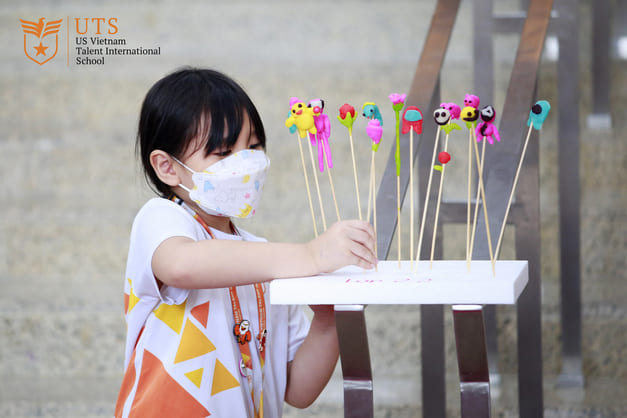
A Day Of Making Toy Figurine With The Young Artisans Through The Project “Toy Figurine!
To start an energetic week, the students of Grade 2 experienced a unique culture of Vietnam through the project “Toy Figurine!”. Under the detailed guidance from the toy figurine artisan, students have crafted their own animals, cartoon characters from colorful glutinous rice powder such as flowers, snakes, Doraemon… which were very adorable. The project ” Toy Figurine!” not only helps students learn more about Vietnamese folk art, but also foster their patience, meticulousness and bring valuable opportunities for them to utilize their creativity.
News & Events
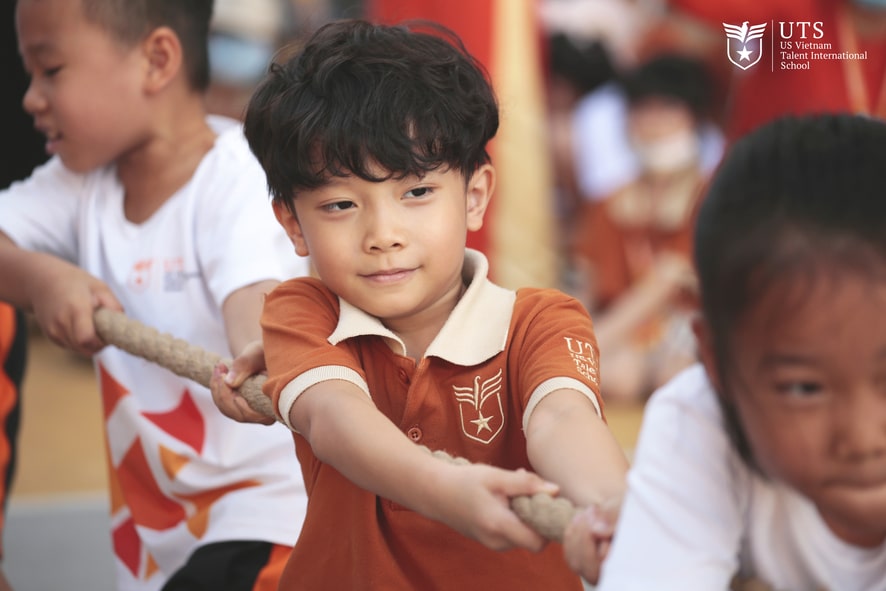
UTS-ers Are Full Of Energy With UTS Sports Day 2022
On May 9th, 2022, the opening ceremony of UTS Sports Day, which is the most awaited sporting event of the year officially began, which started a dynamic May for the UTS community. The atmosphere at the schoolyard exploded because of athletes from all grades and the enthusiastic cheering spirit of UTS spectators. In the first week of UTS Sports Day, the fiery competitions in the categories of Tug of War, Basketball, Chess took place extremely exciting. And in the upcoming rounds, UTS Sports Day promises to bring more surprises and attractions as the teams begin to go deep into the inner rounds to find the champions. Let’s take a look at the highlights of the opening ceremony
News & Events
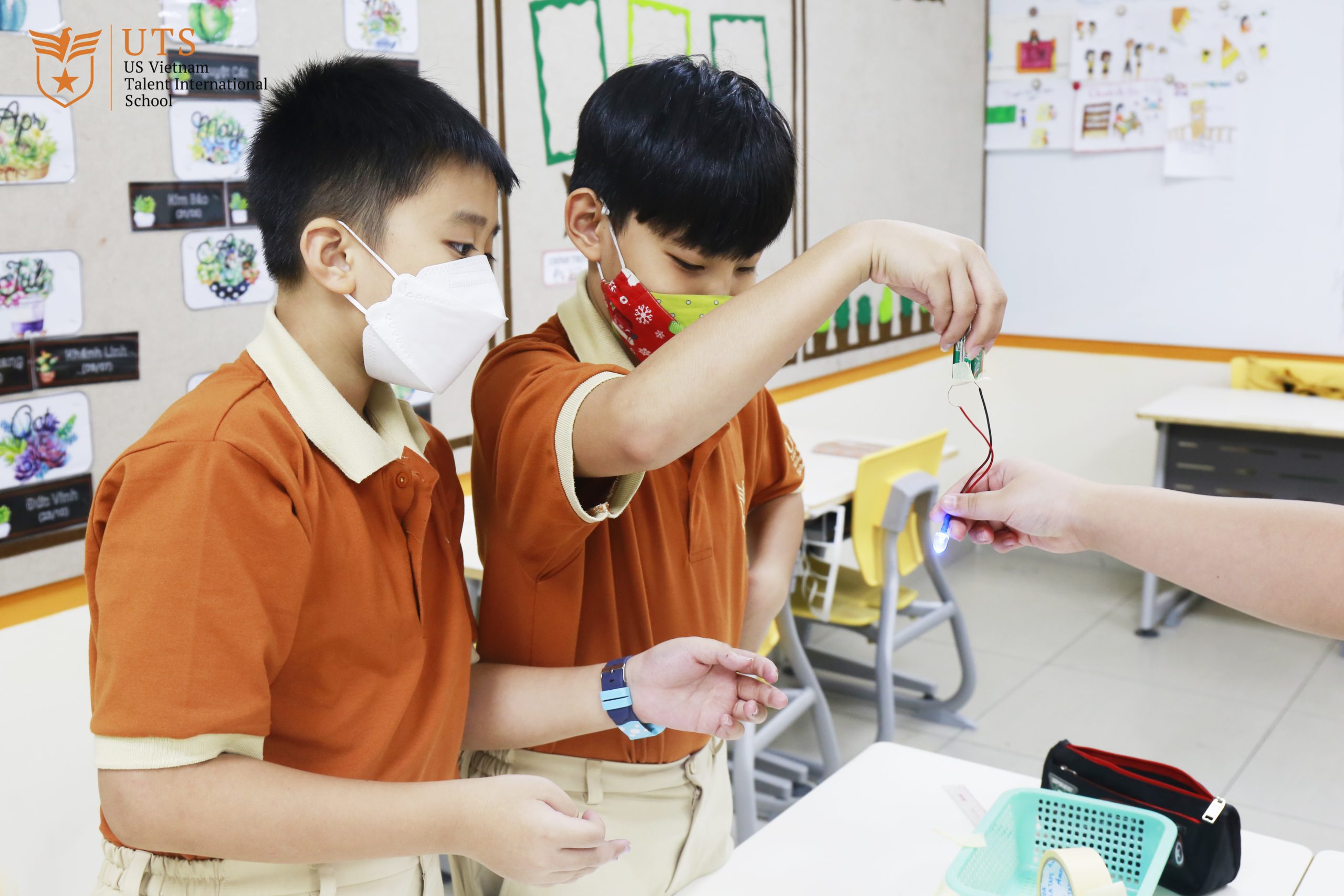
Follow Our “Little Electrical Engineers” To Install Simple Circuits
Science is always one of the most exciting lesson at UTS and is extremely favorite subject of all the students. Through practical lessons: Simple circuit fitting, UTS—ers at class 5.1 discover many extremely interesting things when manually assembling circuits with only 3 components in diverse ways to make them light up. With the guidance of Ms. Nguyen Thi Bich Quy, “little electrical engineers” also learn more about insulating materials, conduct electricity through practice with familiar materials in daily life such as rubber, metal, paper, glass, and wood. Besides, UTS believe that students can practice observation skills, reporting skills as well as connecting with friends to complete group exercises in the best way. The practice sessions and experiments through science lessons implemented in the curriculum at UTS have brought extremely positive effects. This method of hands-on education has created passion and excitement for students in discovering scientific knowledge and allowing them to think, create and discover new knowledge in the journey of knowledge cultivation.
News & Events
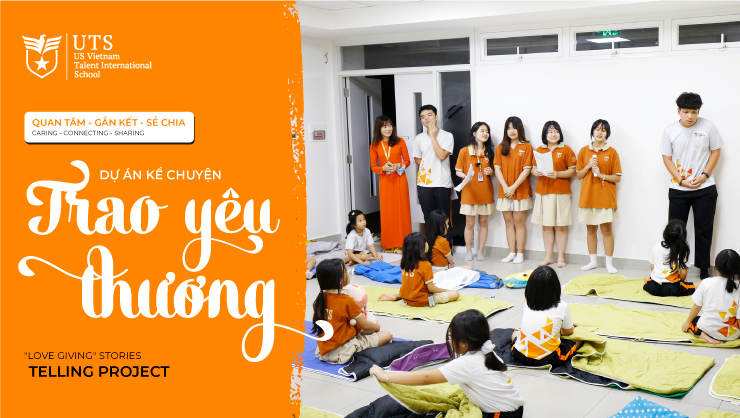
“Love Giving” Stories-telling Project
May 15th is selected by United Nations as the International Day of Families when family members can connect to each other and raise awareness about families’ issues. At UTS, we also have a family of big sisters, brothers in High School and lovely younger ones in Primary School. UTS-ers always take care as well as help each other if necessary, without distinction of age. The “Love Giving” stories-telling project is an activity which helps strengthen the connection among students at UTS. Students of Primary School usually listen to stories told by their Parents before sleeping. To bring the familiar and cozy feelings to Primary School students, Grade 10 UTS-ers visited classes, spent time telling short stories and then gave mini gifts to their juniors before the sleeping period. This project helped UTS-ers prove event organizing, presenting and detailed planning skills. Besides, this is an occasion for UTS big family to take care of each other which proves the contribution spirit – one of six core values of UTS-ers.