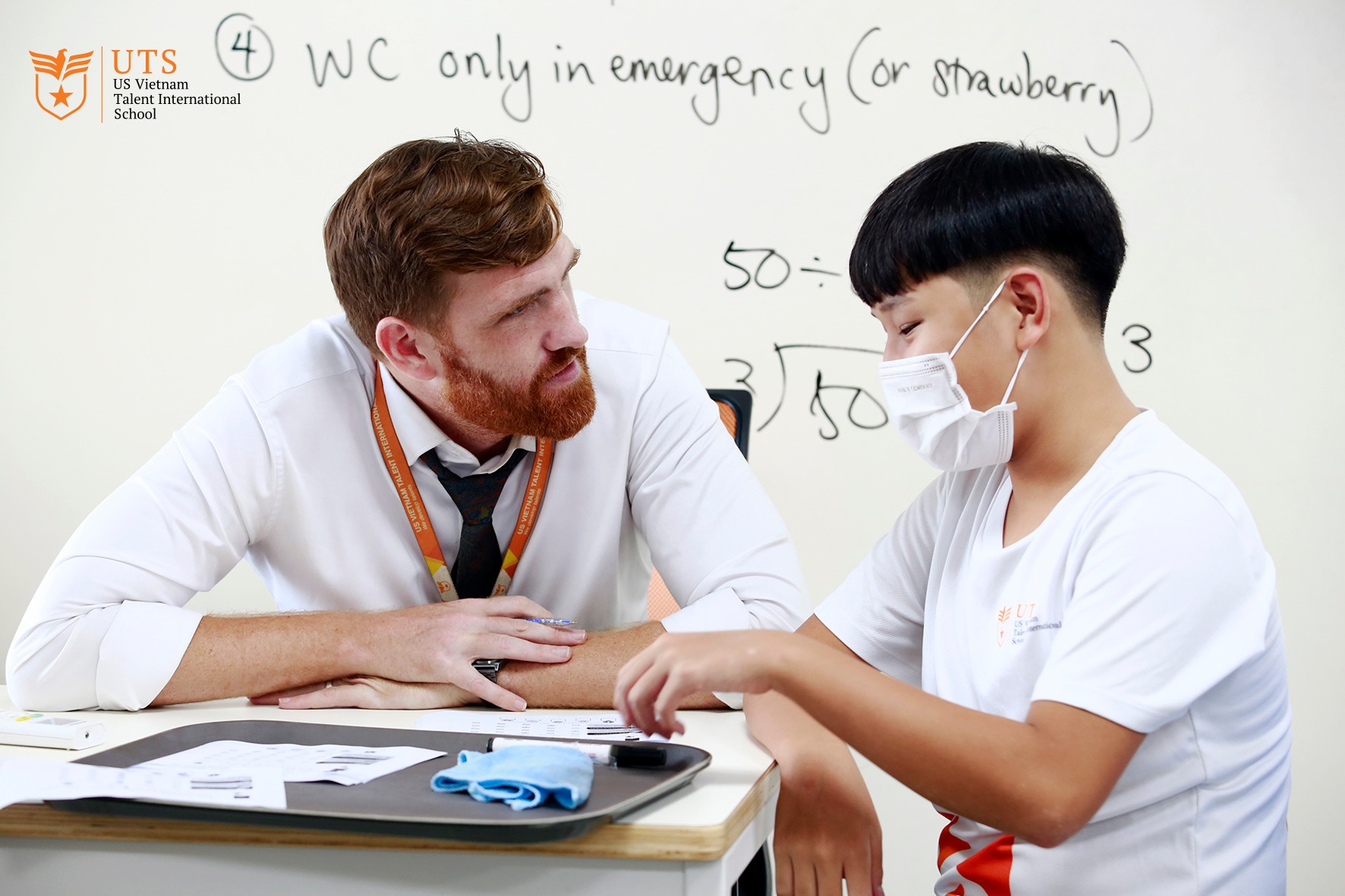
Welcome to the new school year! Welcome “little seeds” back to school!

We thought the summer break would be long, but looking back, it’s already the first day of school. The first morning of the new school year 2022-2023 took place with a lot of emotions and gorgeous smiles of UTSers at the 2 campuses, UTS Van Lang Complex and UTS Botanique Campus.
To welcome the old students back to school and especially welcome the new students to the close-knit UTS community, our enthusiastic teachers and school staff had planned and prepared a lot for this special day. 

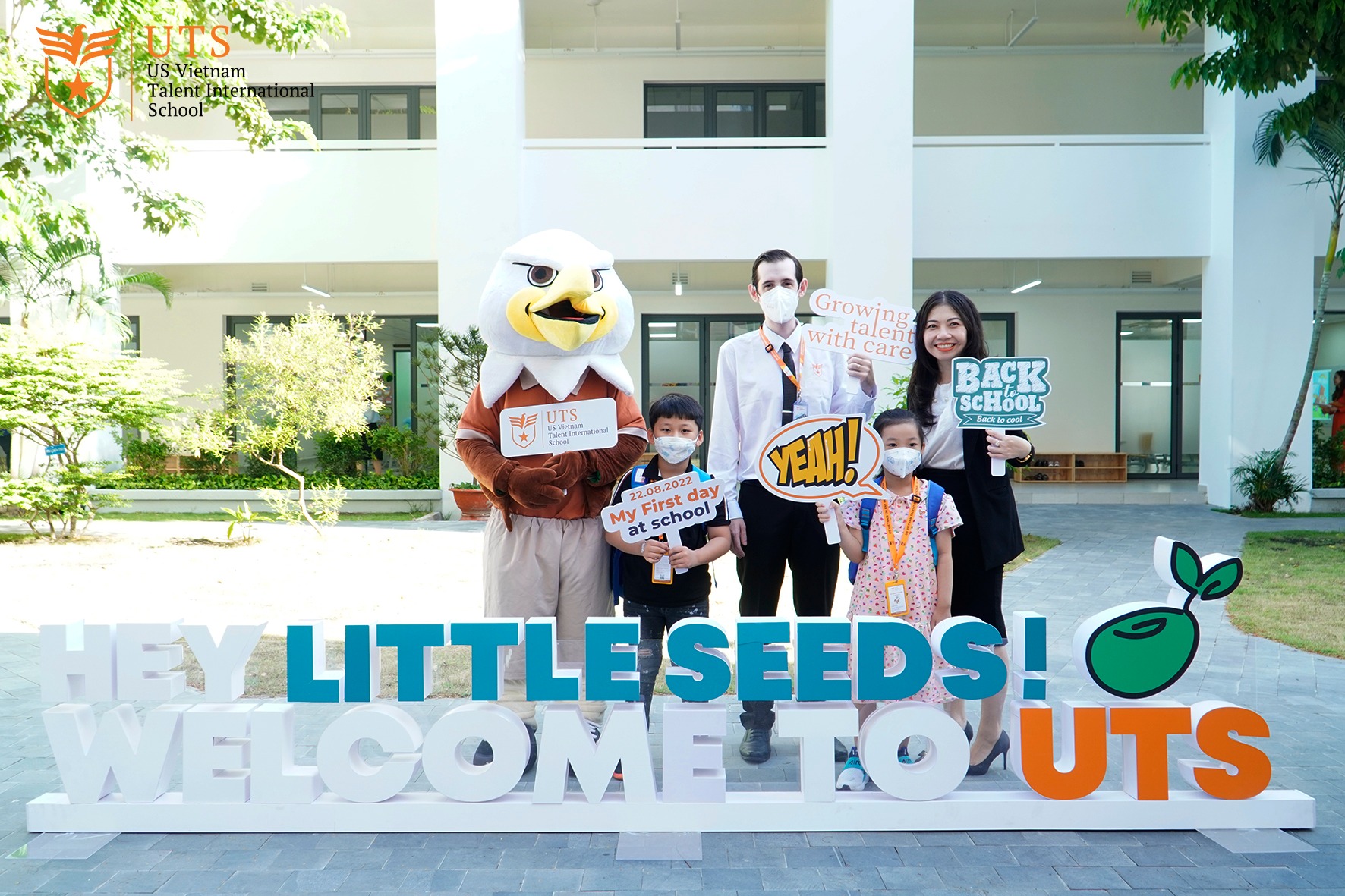
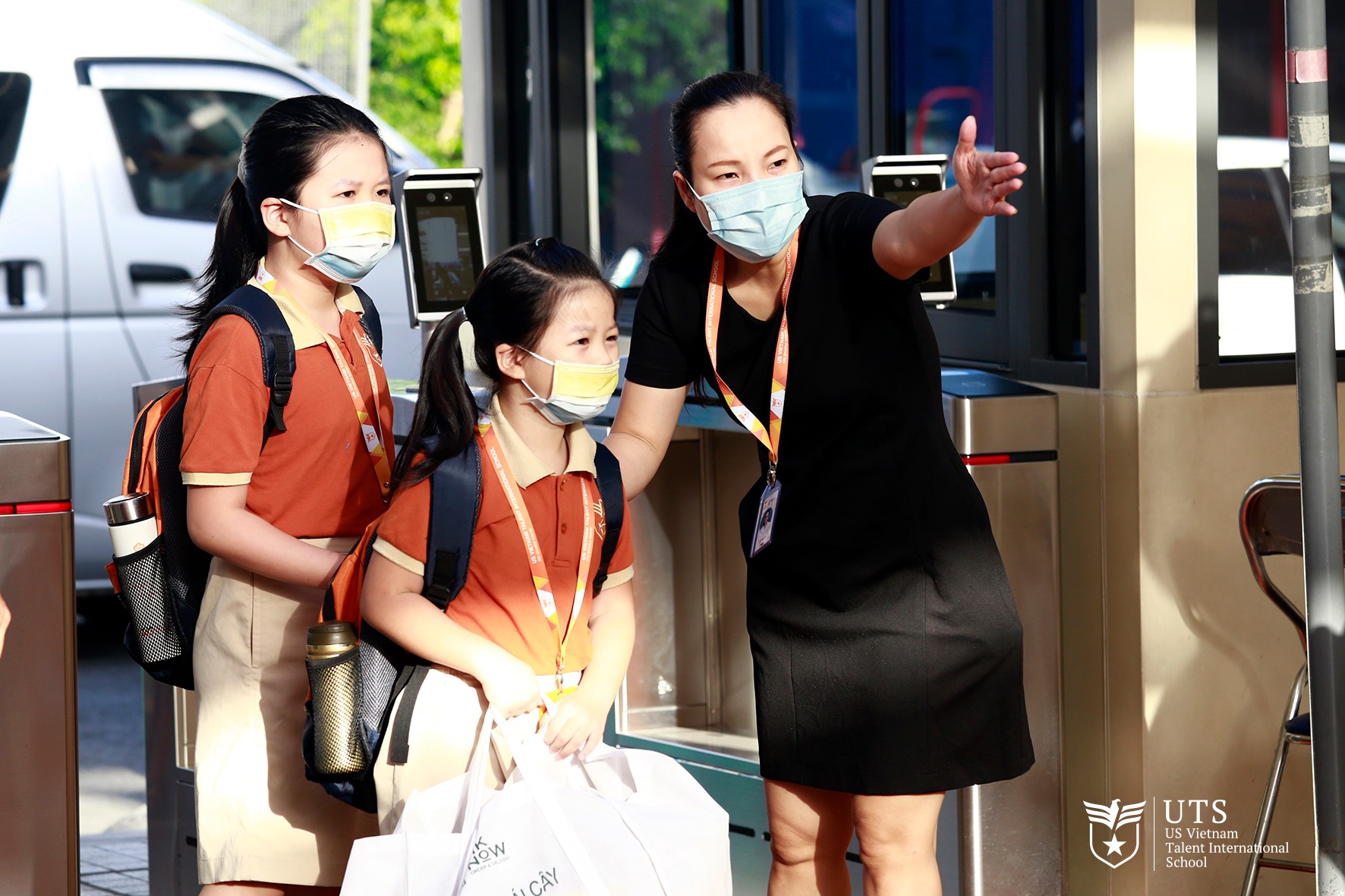
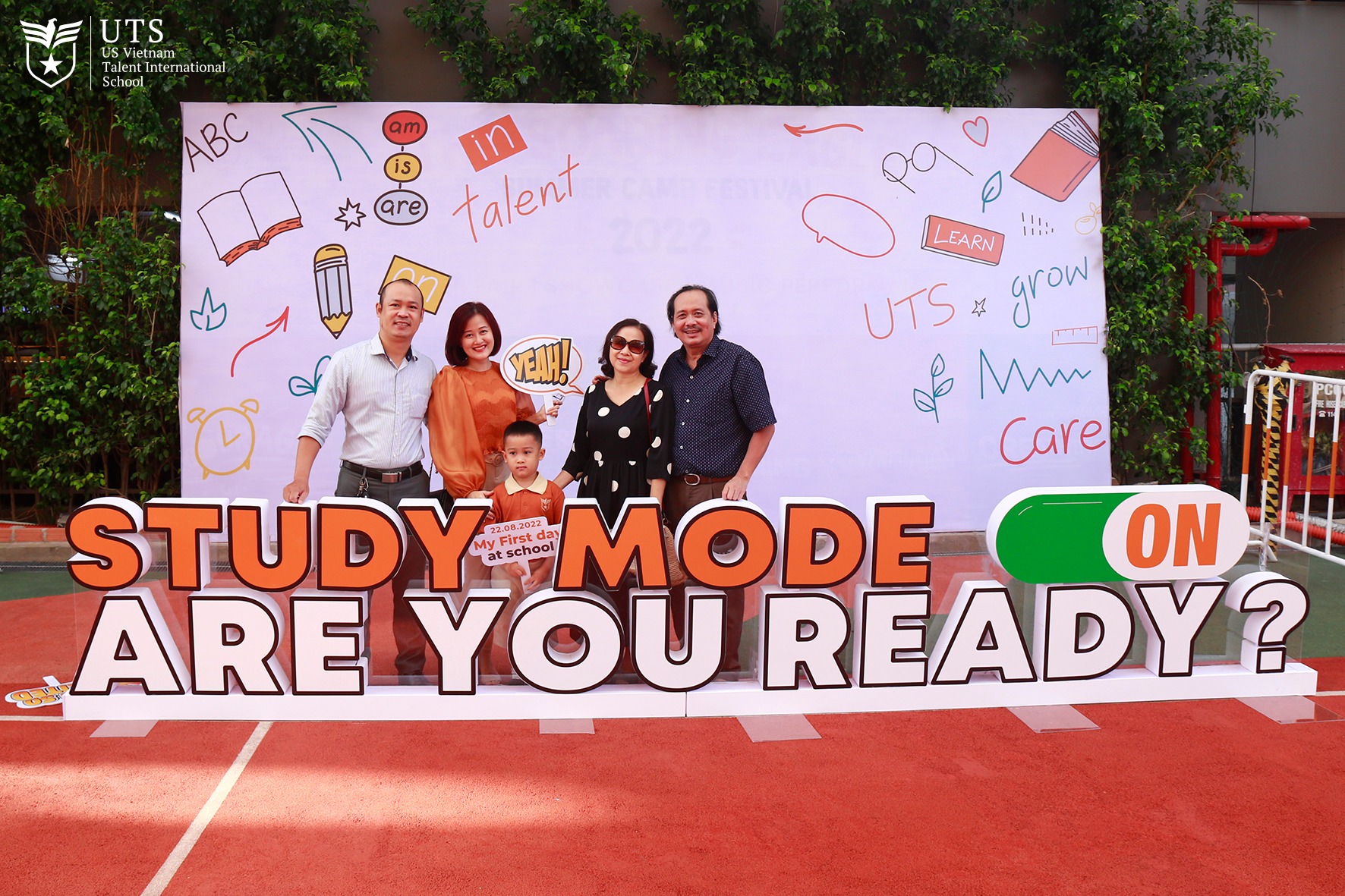
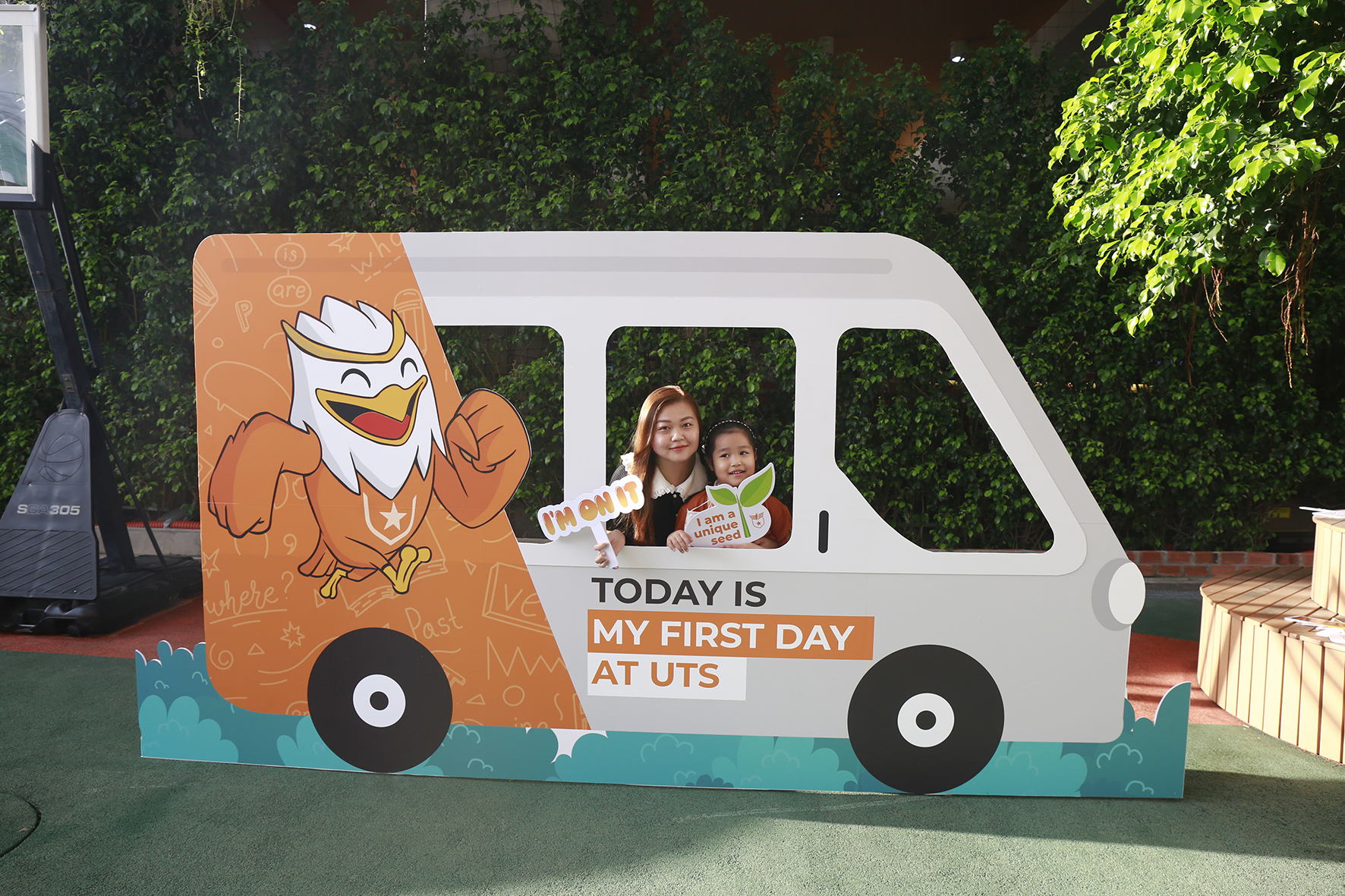
It was joyful to see the students and their families happily keeping memories at the school’s photo areas. Especially, right from the gate, students were warmly welcomed by their teachers and guided to their classrooms.  
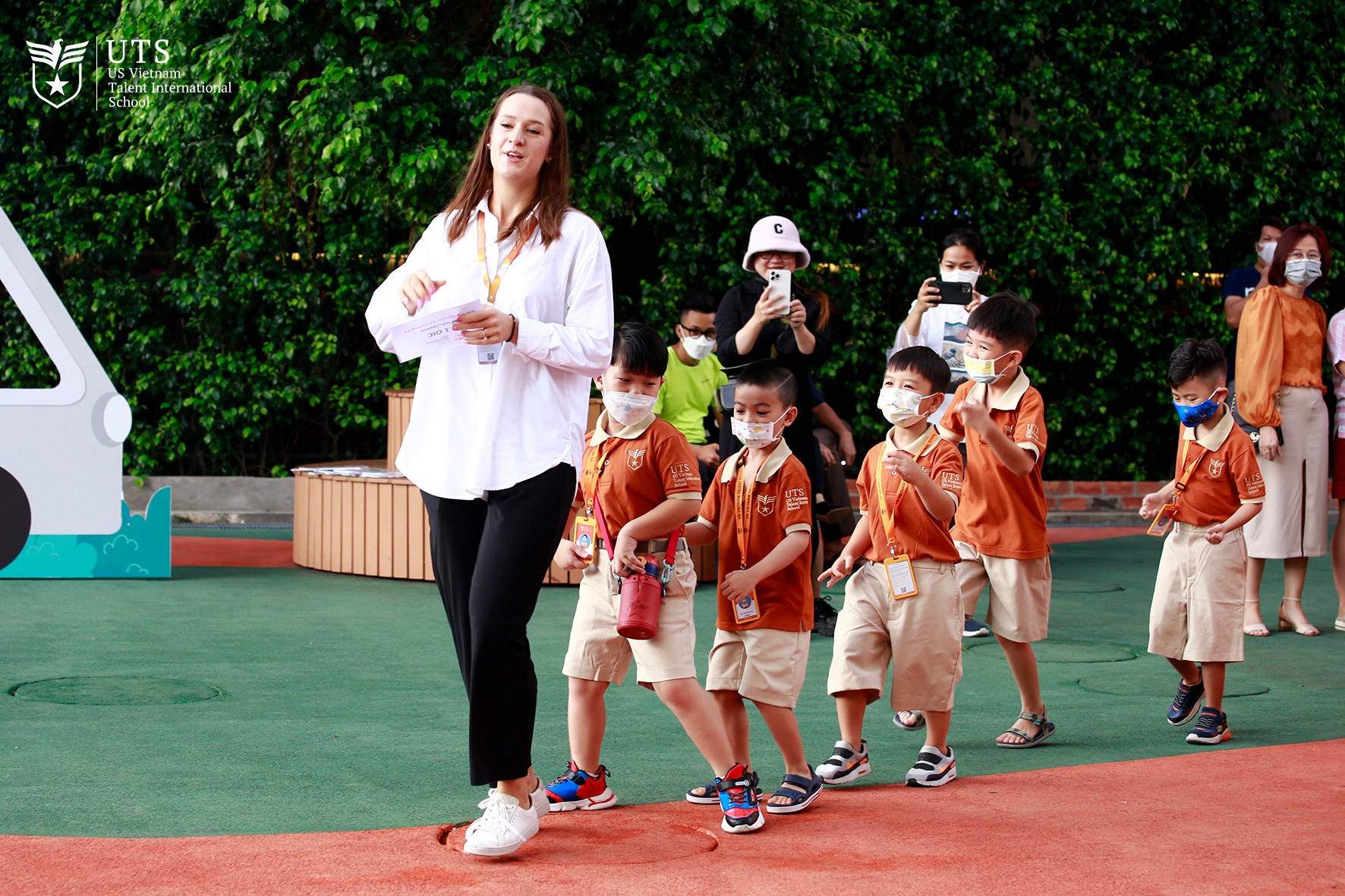
In the first lesson, the students were led by their homeroom teacher to explore the school’s campus and facilities. This is also a special activity to help them get to know their classmates and teachers. The students had a good time sharing their interests with their friends or telling their teachers about a fun summer they had.
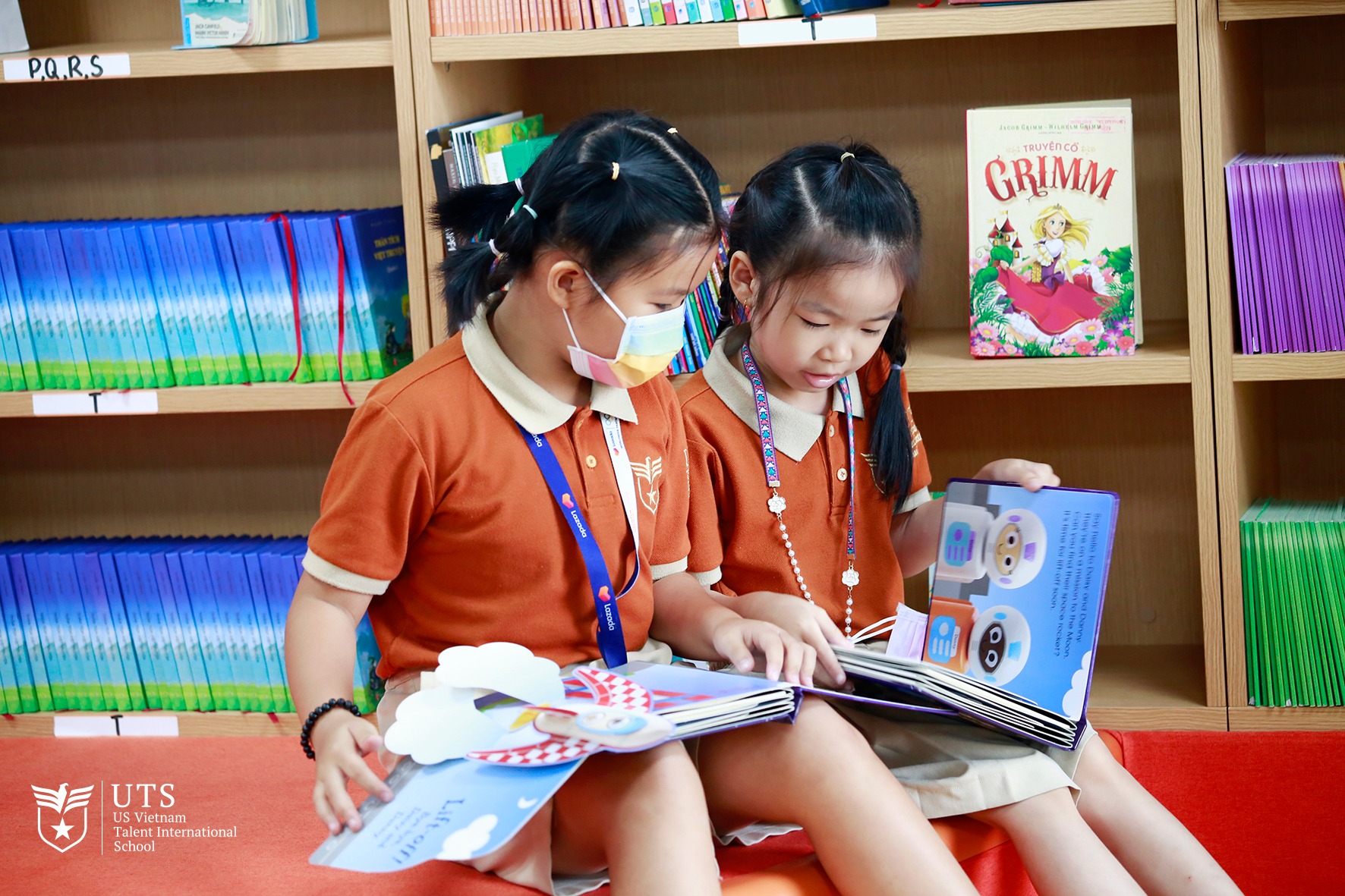
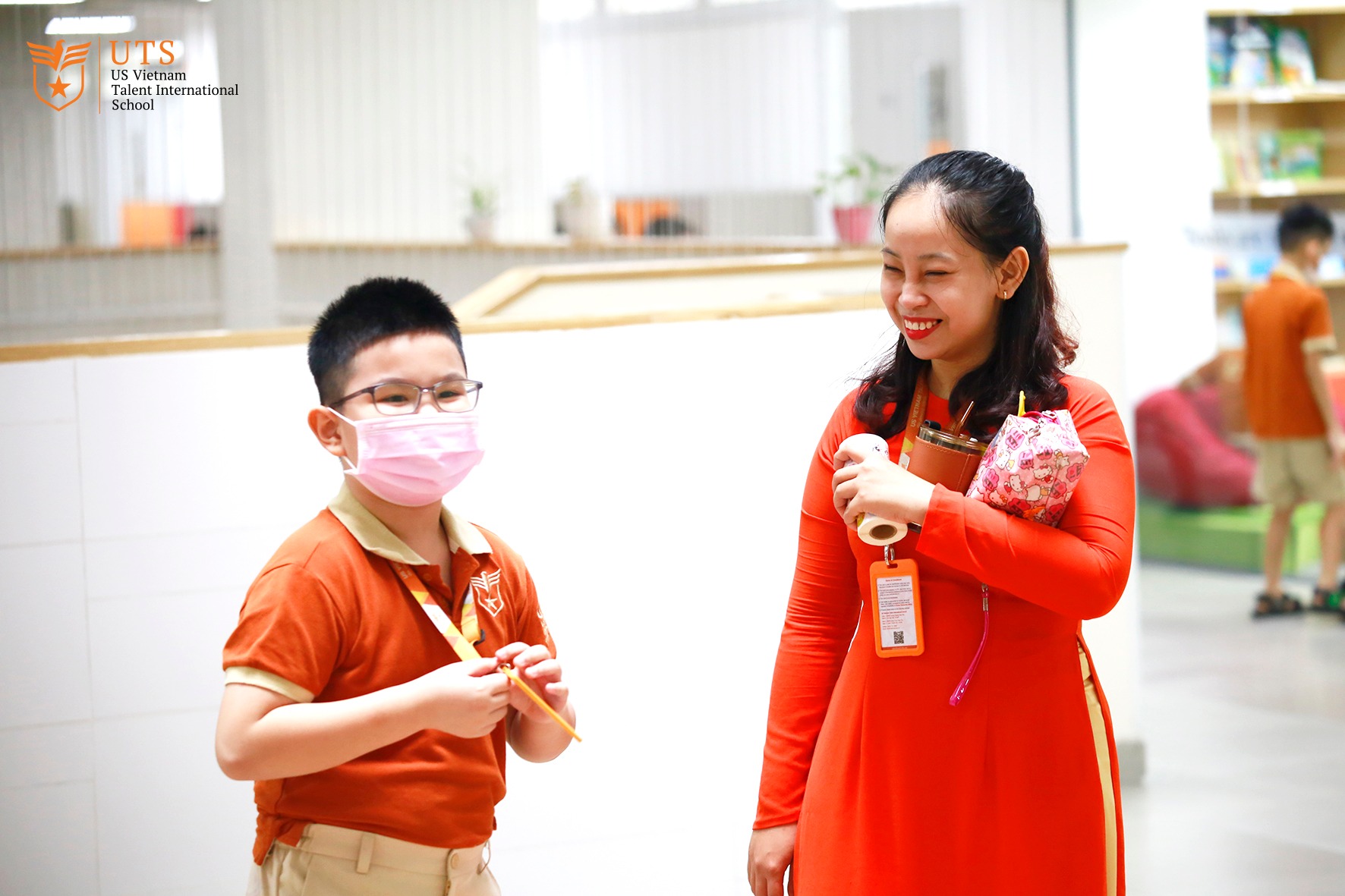
 

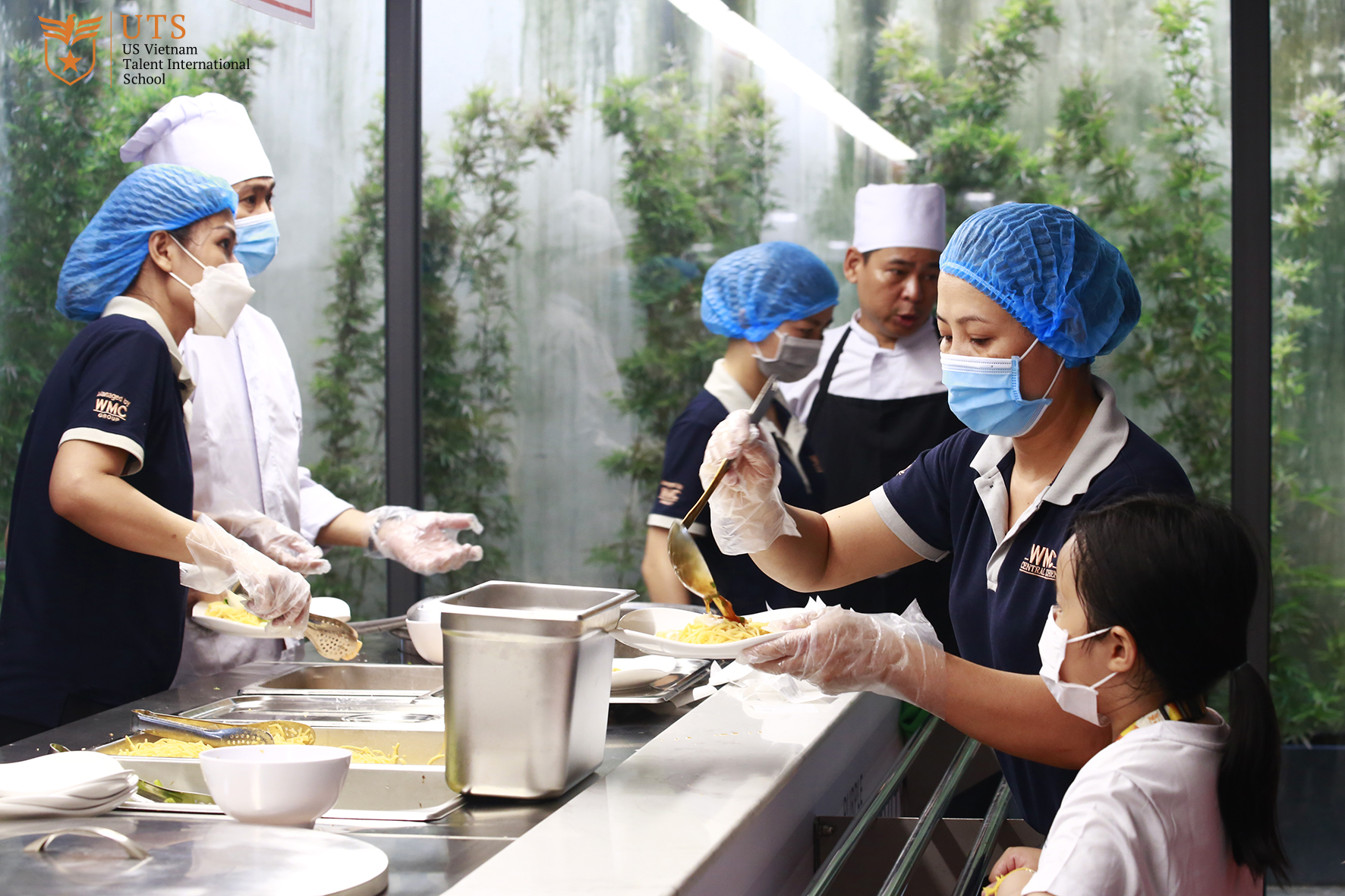
Lunch time was well organized with the cooperation of the students and the help of the classroom support staff. New students quickly became familiar with the process of taking food vouchers and eating utensils, receiving food, and returning trays after meals correctly. 
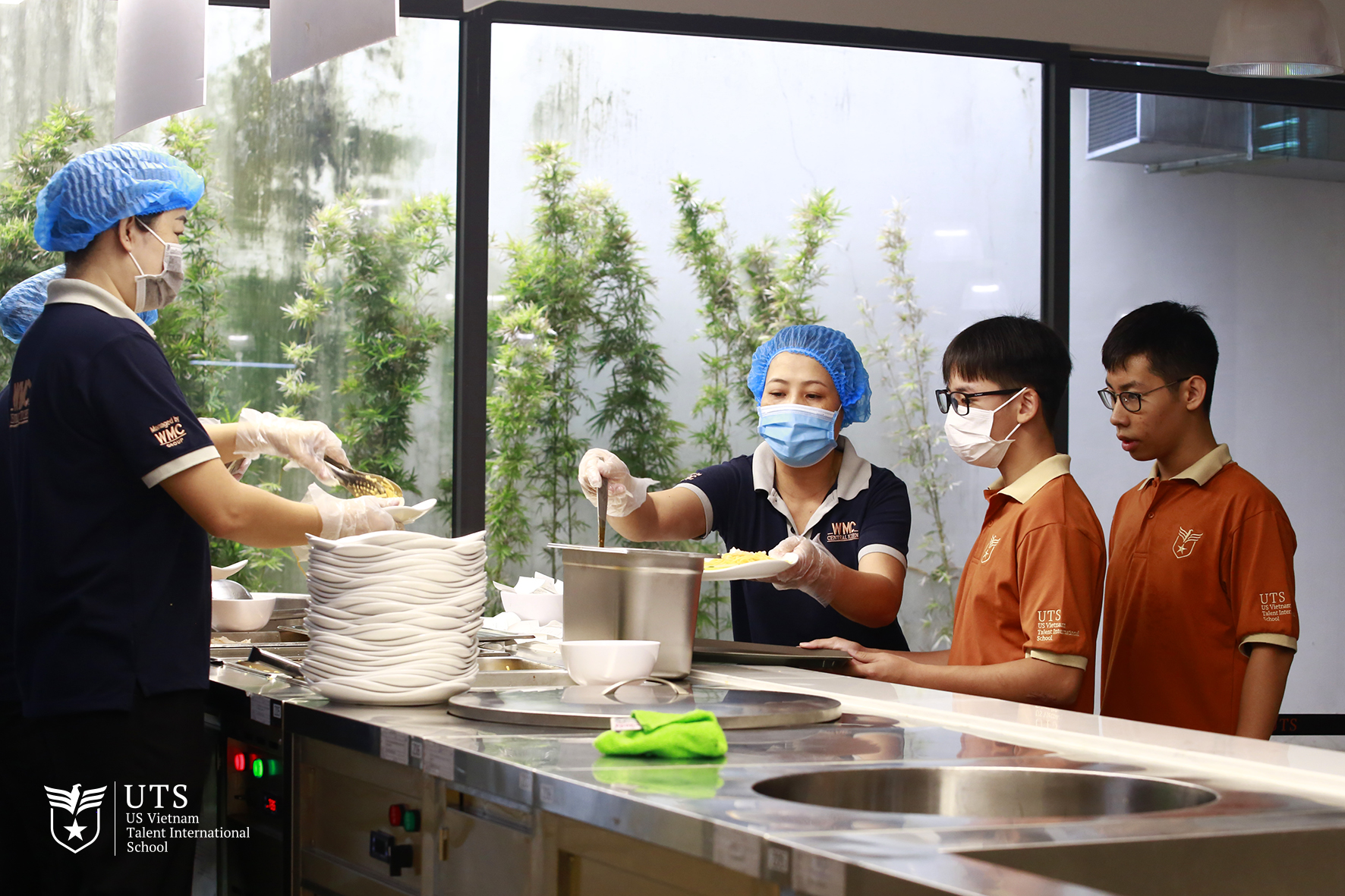
Afternoon classes with interesting lessons to help students get used to the learning environment and engagement in the classroom. This is also an opportunity for teachers to listen to the academic goals of students this school year. 
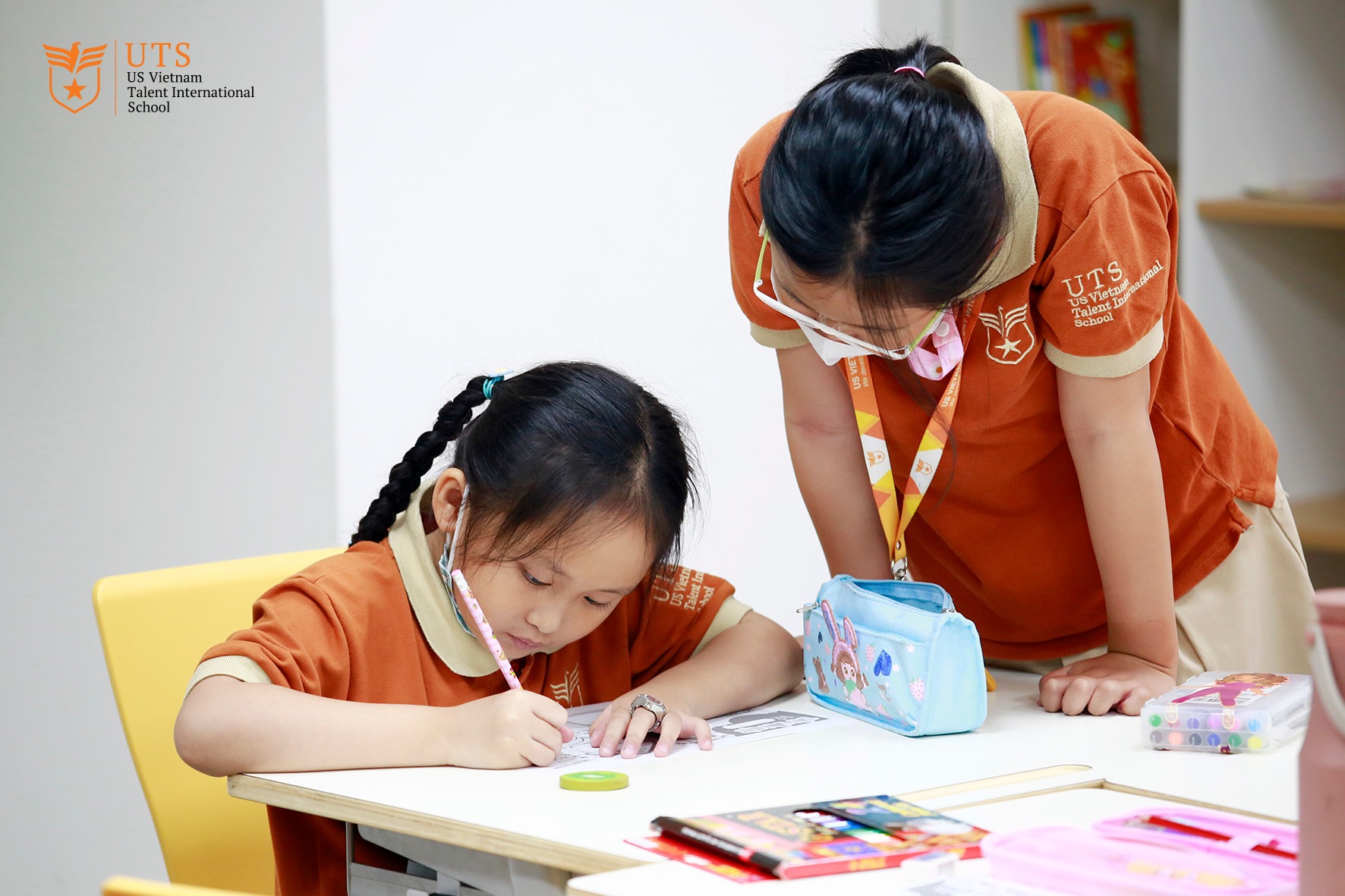
The new school year 2022-2023 has officially started! After the back-to-school day, there will be a series of meaningful activities during the first week of school to bring joy and cohesion to UTS-ers and especially new students. We hope that all students will have a fun and memorable journey at UTS. 
Other news
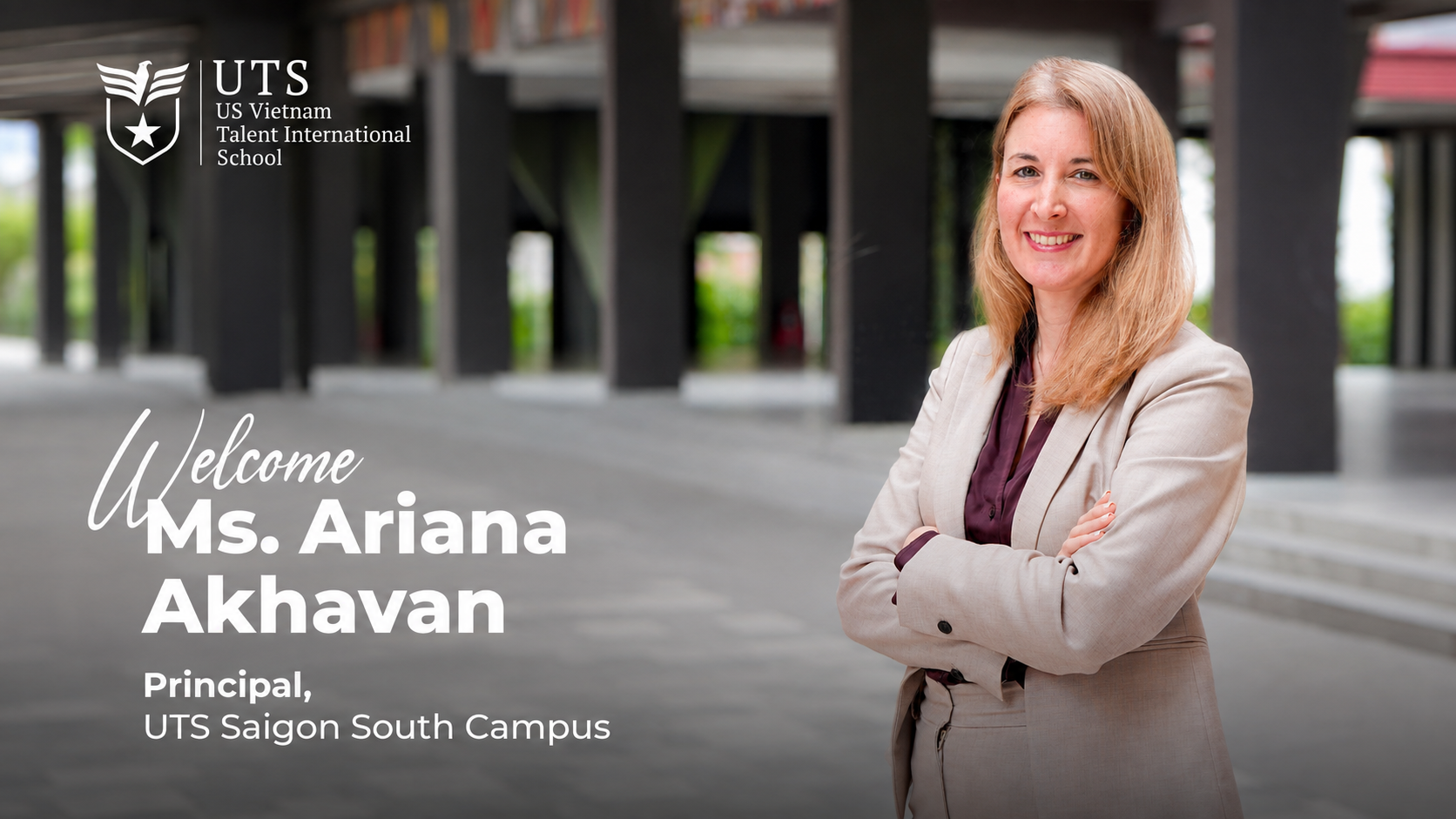
Welcoming Ms. Ariana Akhavan – Principal of UTS Saigon South Campus
News

Welcoming Ms. Ariana Akhavan – Principal of UTS Saigon South Campus

As UTS enters the 2026–2027 academic year, US Vietnam Talent International School officially welcomes Ms. Ariana Akhavan as Principal of UTS Saigon South Campus. With nearly 20 years of experience in education, including 10 years in senior leadership roles across national and international schools, she will work alongside the UTS community to create an environment where every student is empowered to fulfil their potential and become future-ready. Nearly 20 years in international education Born and raised in London in a multicultural family, Ms. Ariana was exposed from an early age to diverse traditions, languages, and perspectives. These experiences shaped her appreciation for differences and her belief in the value of diverse and inclusive communities. It was also in London that her passion for education began, taking her from the classroom as a teacher to becoming an educational leader with experience across both national and international settings. Ms. Ariana holds a BA (Hons) in History from Royal Holloway, University of London; a Postgraduate Certificate in Education (PGCE) in History from the University of Roehampton; a Master’s degree in Education from St Mary’s University, London; and the National Professional Qualification for Headship (NPQH) from Best Practice Network. Over nearly 20 years in education, including 10 years in senior leadership roles at national and international schools in the United Kingdom and Malaysia, Ms. Ariana has led and contributed to initiatives in curriculum innovation, school improvement, inclusive and multilingual education, professional development, staff health and wellbeing, safeguarding, and the enhancement of teaching and learning. “I believe that, first and foremost, an educator must also be a lifelong learner.” Ms. Ariana Akhavan brings nearly 20 years of experience in education, including 10 years in senior leadership roles across national and international schools Every student has their own unique talents Throughout her journey in education, Ms.
Back to School 2026 – 2027: Ready to Grow, Lead and Make a Meaningful Impact at UTS
News

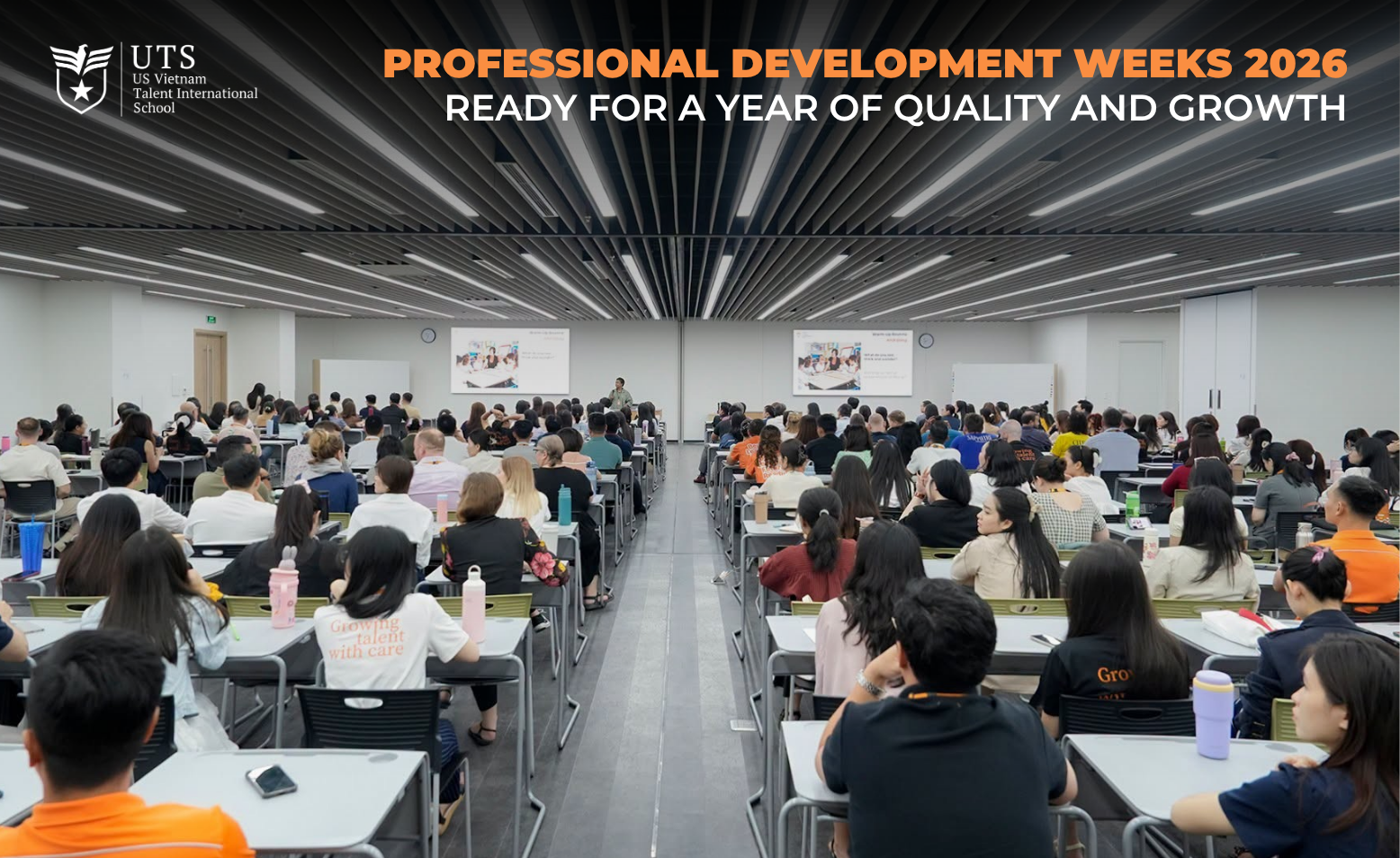
Back to School 2026 – 2027: Ready to Grow, Lead and Make a Meaningful Impact at UTS

After the summer break, students officially returned to school, bringing with them bright smiles, excitement, and plenty of energy for the new academic year. From reunions with friends and warm welcomes from teachers to their first experiences back in the classroom, a new journey has begun – one where every UTS-er continues to GROW, LEAD and make a meaningful IMPACT. The energy of back to school fills UTS From the very first hours of the day, a lively atmosphere could be felt across UTS campuses. After the summer break, old friends reunited, new students took their first steps into the UTS community, and teachers were ready to welcome everyone back with familiar smiles and warm greetings. UTS-ers excitedly reunite with friends on the first day of the academic year Behind this exciting first day was the thoughtful preparation of the School team – from classrooms and shared spaces to welcoming activities – ensuring that every student returning to UTS could feel safe, positive, and at home, ready for the new experiences ahead. First experiences of a new journey The first day was about more than simply reuniting. Back in their classrooms, UTS-ers began settling into the rhythm of the new academic year, reconnecting with their homeroom teachers and classmates, and learning the essential information they would need for the journey ahead. Each activity also provided an opportunity for students to reconnect with their learning environment – actively participating, asking questions, sharing their thoughts, and working together to build a positive classroom community.  UTS-ers actively connect, share, and participate in activities on their first day back in the classroom. For students joining UTS for the first time, the support of teachers and friends helps them gradually become familiar with their new environment, build confidence in connecting with others, and feel ready
Professional Development Weeks 2026: Ready for a year of quality and growth
News

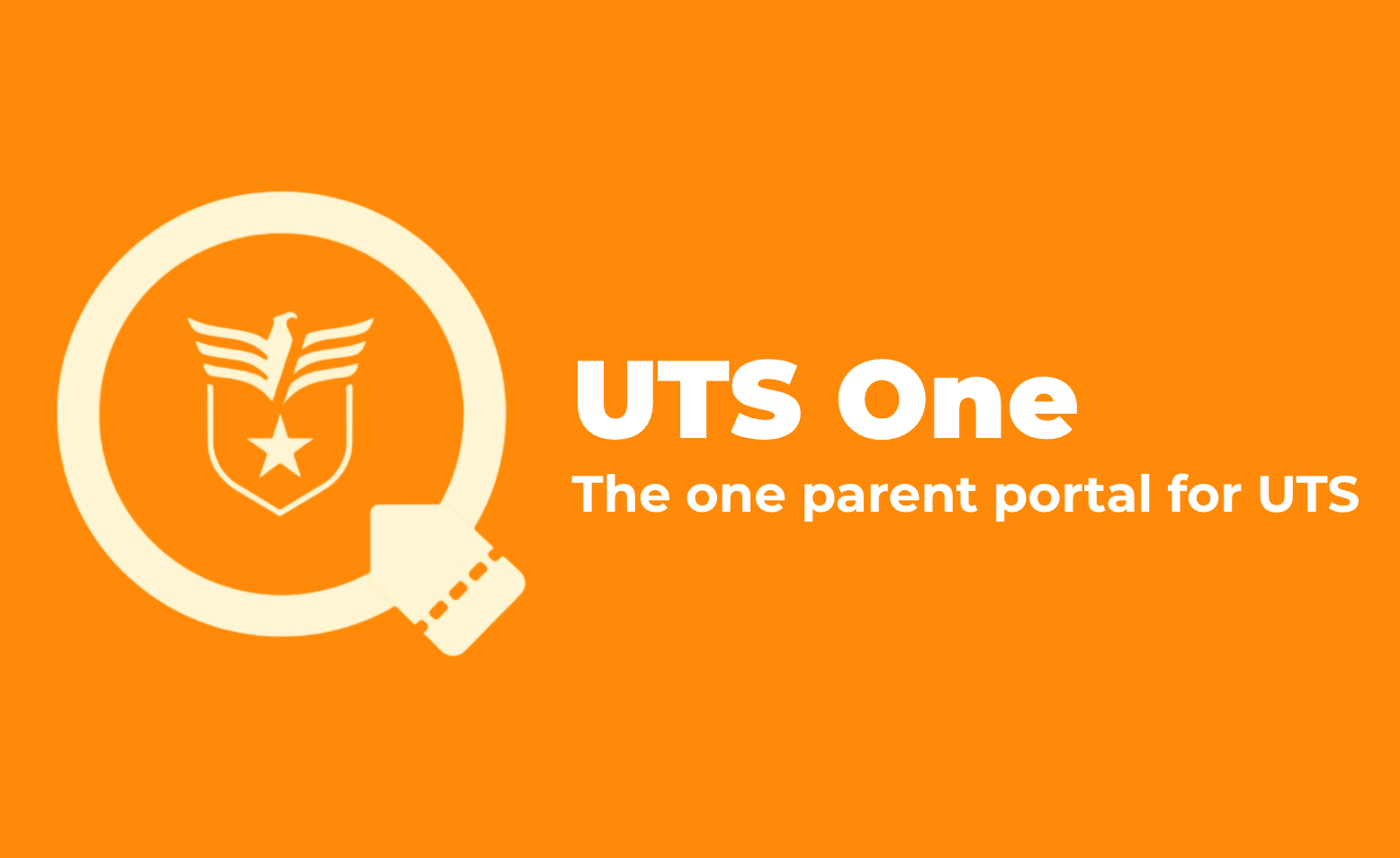
Professional Development Weeks 2026: Ready for a year of quality and growth

Before the 2026–2027 academic year officially began, UTS teachers and staff came together for Professional Development Weeks 2026 – two weeks dedicated to learning, connecting, and preparing for the journey ahead. At UTS, a quality learning experience for students always begins with the continuous growth of the educators who support them. UTS educators come together around a shared educational vision  Professional Development Weeks (PD Weeks) is an annual professional development programme at UTS, providing an opportunity for the entire team to reflect on achievements, update their knowledge, share experiences, and align on key priorities for the educational journey ahead. The programme began with a whole-school gathering that brought together the UTS community. During the event, educators who demonstrated dedication and made meaningful contributions throughout the 2025–2026 academic year were recognised for their efforts and impact in nurturing students’ talents. Addressing all teachers and staff, Ms. Anita Spittle – Head of School at US Vietnam Talent International School – reaffirmed UTS’s educational philosophy, vision, mission, and theme for the academic year, ensuring that every educator shares a common understanding and commitment to the School’s goals. Continuously enhancing the quality of teaching and learning A key focus throughout Professional Development Weeks was strengthening the team’s professional capabilities and further enhancing the quality of educational practice. The training sessions explored practical questions that educators encounter every day in the classroom: How can we establish and maintain positive expectations? How can we design a classroom environment that encourages students to become independent learners? How can we identify students’ different needs and provide the right support for each of them? Nurturing a growth mindset in every educator  If students are encouraged to continuously explore, learn, and grow, the educators who accompany them on that journey must embrace the same mindset. Through sessions on “Growth Mindset”
UTS One – The one parent portal for UTS
News

UTS One – The one parent portal for UTS

UTS One is the official and all-in-one parent portal for the UTS community, designed to provide a seamless, integrated and modern connection between families and the School. Instead of using multiple standalone applications and communication channels such as ManageBac, the student pick-up and drop-off application, school bus app, service registration, club registration or unofficial Zalo groups, parents can simply access UTS One to stay connected with everything that matters in one place. As the School’s official communication platform, UTS One ensures that all interactions between parents and the School are efficient, transparent and consistent. Through UTS One, parents can monitor their child’s learning progress, timetable, attendance, homework, behaviour and achievements, while also managing student and parent profiles, staying updated with school news and events, submitting leave requests, registering for clubs and school services, and communicating directly with the School. By bringing these essential features together on a single platform, UTS One makes it easier for parents to stay informed and actively support their child’s learning journey. Looking ahead, UTS will continue to enhance UTS One by introducing new features, including online tuition and service fee payments, as part of our commitment to building a comprehensive digital ecosystem. This ongoing development aims to provide parents with an even more convenient and connected experience throughout their child’s educational journey at UTS. Click HERE to view the UTS One installation and user guide.
What Is Project-Based Learning? Exploring a Modern Educational Approach at UTS
News

What Is Project-Based Learning? Exploring a Modern Educational Approach at UTS

In the context of today’s constantly evolving education landscape, Project-Based Learning (PBL) has become one of the approaches adopted by many international schools to support students’ holistic development. At UTS International School of South America, students do not only acquire knowledge from textbooks, but also take part in real-world projects, actively explore ideas, and create their own learning products. So, what is project-based learning, and how is it applied to optimise students’ learning outcomes? This article will help parents and students better understand this learning model. What Is Project-Based Learning (PBL)? Project-Based Learning (PBL) is a student-centred educational approach in which students actively explore, research, and solve real-world problems through learning projects. Instead of only learning theories, students combine knowledge with practical experiences to develop thinking skills, teamwork, and problem-solving abilities.. Project-Based Learning is becoming increasingly popular in modern education The 5-Step Cycle of a Learning Project (*) A learning project following the Project-Based Learning (PBL) approach is often implemented through a clear process, helping students gradually transform knowledge into practical products. Below are the key steps: Step 1: Identifying Ideas and Driving Questions Students begin with a real-world problem or a guiding question under the teacher’s guidance, then define the goals and scope of the project. Step 2: Planning and In-Depth Research Students divide tasks, search for information, analyse data, and develop a suitable implementation plan. This stage requires students to apply critical thinking, problem-solving, and teamwork skills. Step 3: Implementation, Testing, and Adjustment During the implementation process, students apply what they have learned, test their solutions, and improve their products based on feedback. Step 4: Completing the Practical Product Based on their ideas and research outcomes, students complete products that can be presented, applied, or shared with others. Students create practical models and products in each project Step 5: