Dành cho các bậc phụ huynh: Bé vào lớp 1 cần chuẩn bị những gì?

Việc chuẩn bị cho bé vào lớp 1 luôn khiến nhiều bậc phụ huynh cảm thấy bối rối, nhất là những gia đình có con đầu đi học. Hiểu được những băn khoăn này của các bậc phụ huynh, trong bài viết dưới đây, UTS sẽ giúp các bố các mẹ giải đáp thắc mắc bé vào lớp 1 cần chuẩn bị những gì để hỗ trợ con thuận lợi nhất. Phụ huynh tham khảo ngay nhé!

1. Thực hiện công tác tư tưởng với các bé

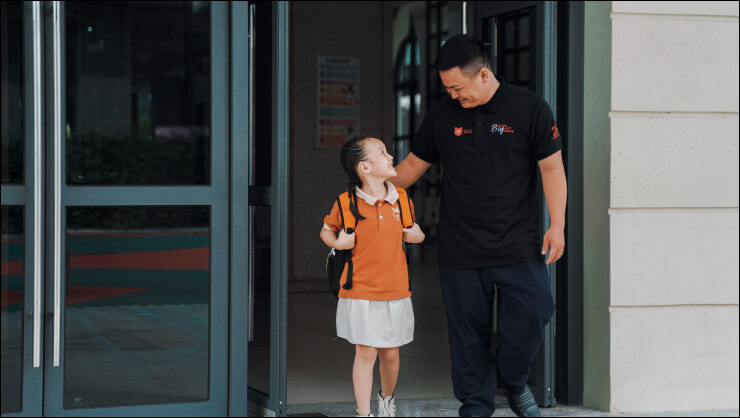
Việc đầu tiên các bậc phụ huynh cần làm chính là làm công tác tư tưởng cho bé. Có thể nói, đây là thời điểm bé rất cần người đồng hành, chuẩn bị cho thời gian sắp tới bởi nhiều bé vẫn cảm thấy bỡ ngỡ, sợ hãi, không muốn rời xa bố mẹ khi bắt đầu đi học.
hinh-5-bieu-phi-truong-tieu-hoc-quoc-te-tai-binh-thanh-uts

Đầu tiên, bố mẹ nên làm công tác tư tưởng cho con trước khi bước vào lớp 1.

Để lên dây cót tinh thần cho bé, các bố các mẹ có thể kể cho bé những câu chuyện về việc đi học, môi trường học với thái độ lạc quan và tích cực nhất. Chẳng hạn, vào lớp 1, con sẽ được quen nhiều bạn mới, học ở ngôi trường lớn hơn, đẹp hơn, được học nhiều bài học mới, được thầy cô yêu thương chăm sóc…

Các bậc phụ huynh cũng có thể hướng dẫn các con cách làm quen với bạn bè ra sao, giới thiệu bản thân như thế nào. Giúp con tự tin cũng là cách giúp các bé không “sợ” việc đi học lớp 1. 

Để tâm lý các bé trở nên ổn định hơn, không cảm thấy quá lạ lẫm vào những ngày đầu tiên đi học, các bậc phụ huynh có thể dẫn con đến tham quan trường học trước đó. Đồng thời, để tăng sự hứng thú của các bé trước khi bước vào lớp 1, bố mẹ nên cho con cùng đi mua sắm đồ dùng học tập, cặp sách, balo…

Dù các bé còn nhỏ nhưng bố mẹ có thể nói chuyện khéo léo để bé hiểu rằng đi học là quyền lợi chứ không phải là trách nhiệm. Việc lắng nghe những ý kiến của con về việc đi học lớp 1 cũng có thể giúp các bậc phụ huynh có những điều chỉnh phù hợp trong hành động, tâm lý của con một cách hợp lý nhất.

2. Chuẩn bị đồ dùng học tập

Sau khi thực hiện công tác tư tưởng cho các bé, bố mẹ cần chuẩn bị đồ dùng học tập để các bé bước vào lớp 1. Trên thực tế, đồ dùng học tập cho các bé vào lớp 1 nhiều hơn so với khi học mầm non. Vì thế, các bố các mẹ cần chú ý mua đầy đủ đồ dùng, dụng cụ học tập cho các bé. Bố mẹ có thể tham khảo một số gợi ý như sau:

  • Cặp sách: Đây là đồ dùng không thể thiếu cho bé đi học. Tuỳ theo điều kiện kinh tế của mỗi gia đình mà các bố các mẹ có thể lựa chọn cho con mình một chiếc cặp phù hợp nhất. Bên cạnh đó, một chiếc cặp phù hợp với thể trạng của con, trọng lượng không quá nặng, kiểu dáng gọn gàng cũng là những tiêu chí bố mẹ cần xem xét khi mua cặp sách cho con. Bố mẹ nên chọn mua những loại cặp đeo hai vai thay vì loại đeo chéo để tránh gây lệch vai cho các bé.
  • Đồ dùng học tập: Sách giáo khoa, vở kẻ ô ly, hộp bút, bút, gôm tẩy, thước kẻ,… là những dụng cụ, đồ dùng cần thiết cho các bé bước vào lớp 1. Ở bước này, bố mẹ nên cho các bé đi cùng để chọn mua theo sở thích của con, vừa tăng sự hứng thú ở bé mà bố mẹ không phải mất công đi đổi nếu mua không đúng với ý của các bé. 
  • Trang phục: Hiện tại, hầu hết các trường tiểu học quốc tế đều may quần áo đồng phục cho các bé, vì thế, các bố các mẹ không cần lo lắng quá nhiều về khoản mua trang phục mới. Tuy nhiên, để động viên tinh thần con hoặc con có thêm trang phục mặc tham gia các hoạt động ngoại khóa, dã ngoại, những ngày được mặc tự do… phụ huynh có thể mua cho con thêm 1-2 bộ quần áo, giày dép, mũ nón…

3. Rèn luyện một số kỹ năng mềm 

Việc rèn luyện một số kỹ năng và tác phong trước khi vào lớp 1 là yếu tố cực kỳ quan trọng. Việc làm này giúp các bé tự tin hơn, không bị đuối so với những bạn đồng trang lứa. Một số kỹ năng mà bố mẹ có thể tự trang bị cho con trước khi bước vào lớp 1:

Kỹ năng tự phục vụ

Trên thực tế, kỹ năng tự phục vụ đã được hình thành khi bé đi học mẫu giáo. Tuy nhiên, nhiều phụ huynh vẫn còn cưng chiều con, giáo viên mẫu giáo đôi khi vẫn làm thay cho bé nên nhiều bé vẫn chưa biết cách tự phục vụ bản thân tốt nhất.

Các giáo viên tại trường tiểu học không thể hỗ trợ việc này cho các bé. Do đó, các bậc phụ huynh cần dành nhiều thời gian để rèn luyện cho con bằng các hoạt động như: Tự thay quần áo (trong trường hợp trẻ học cả ngày với nhiều hoạt động khác nhau yêu cầu thay đổi trang phục, sắp xếp sách vở, dụng cụ học tập vào cặp, dọn dẹp góc học tập, tự đi vệ sinh, tự xúc ăn…
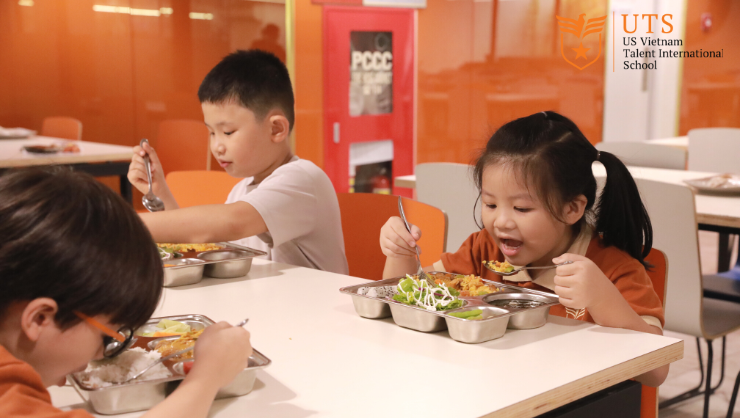
Tự biết phục vụ là kỹ năng cực kỳ quan trọng cần được phù huynh rèn luyện cho các bước trước khi vào lớp 1

Kỹ năng giao tiếp

Các bố các mẹ nên dạy bé cách lắng nghe ý kiến của người khác, của thầy cô, cha mẹ, bạn bè. Các bé cần biết trả lời khi được hỏi, đặt câu hỏi đối với những vấn đề khó hiểu cho thầy cô, cha mẹ để các bé tự tin thể hiện khả năng bản thân mình trong nhiều lĩnh vực. 

Bên cạnh đó, các bậc phụ huynh nên hình thành cho các bé kỹ năng giao tiếp lễ phép, kính trên nhường dưới, lịch sự trong bất kỳ trường hợp nào. Các bố các mẹ cũng có thể cho con tham gia các chương trình hay hoạt động có ích ngoài xã hội, hoạt động ngoại khoá để các bé tự tin giao tiếp, tự tin thể hiện quan điểm cá nhân… Đây chính là hành trang tốt nhất để các bé bước vào lớp 1 một cách tự tin nhất.

Làm quen với nề nếp, kỷ luật ở trường tiểu học

Để hình thành dần cho các bé chuẩn bị vào lớp 1 nề nếp, kỷ luật tại trường tiểu học, các bố các mẹ có thể kể những câu chuyện, làm mẫu cho các con những hoạt động liên quan đến trường học như: giữ trật tự trong lớp học, giơ tay xin phép thầy cô khi muốn phát biểu hoặc đi ra ngoài, trước khi vào lớp các bé phải xếp hàng, đứng lên chào thầy/cô giáo khi vào lớp, tan lớp…

Kỹ năng tập trung rất cần được bố mẹ hoàn thiện cho các bé để các bé giữ nề nếp kỷ luật tại trường học. Chẳng hạn, bố mẹ có thể giao cho các bé một nhiệm vụ nào đó như vẽ tranh, tô màu, đồ chữ cái…bằng cách ngồi trên bàn học ngay ngắn trong khoảng thời gian 30-45 phút. Điều này cũng giúp làm gia tăng sự tập trung chú ý cho trẻ, rất có ích cho trẻ khi vào lớp 1.

4. Chuẩn bị kiến thức

Ở trường mầm non, các bé đã được tiếp xúc với mặt chữ và số. Tuy nhiên, khi về nhà, các bậc phụ huynh có thể thường xuyên bổ túc kiến thức cho bé từ học chữ, số cho đến cách đọc, cách viết, cách cầm bút đúng, cách ngồi không sai tư thế, cách tô màu, làm tính đơn giản. Việc làm này giúp các bé dễ dàng tiếp thu và theo kịp những kiến thức được dạy trên lớp cũng như không bị tụt lại so với bạn bè.

Bố mẹ không nên nhồi nhét quá nhiều kiến thức cho bé ở giai đoạn này bởi sẽ khiến các con cảm thấy quá tải, gây chán nản và tâm lý sợ hãi khi đi học của các bé. 

Trên đây là những thông tin được UTS tổng hợp lại giúp các bậc phụ huynh có cơ sở tham khảo và giải đáp được thắc mắc bé vào lớp 1 cần chuẩn bị những gì. Tuỳ vào môi trường sống, hoàn cảnh gia đình, tính cách các bé mà các bố các mẹ có thể đưa ra những điều chỉnh sao cho phù hợp. Chúc các bố các mẹ tìm được những lựa chọn đúng đắn giúp các bé tự tin bước vào lớp 1 thuận lợi nhất!

TRƯỜNG QUỐC TẾ NAM MỸ UTS
Cơ sở 1 | UTS Van Lang Complex
    • Cổng 1: 69/68 Đặng Thuỳ Trâm, p.13, Q.Bình Thạnh, HCM
    • Cổng 2: 80/68 Dương Quảng Hàm, p.5, Q.Gò Vấp, HCM
Cơ sở 2 | UTS Botanique Campus
  • 360D Bến Vân Đồn, P.1, Quận 4, HCM
LIÊN HỆ
Other news
Welcoming Ms. Ariana Akhavan – Principal of UTS Saigon South Campus
News

Welcoming Ms. Ariana Akhavan – Principal of UTS Saigon South Campus

As UTS enters the 2026–2027 academic year, US Vietnam Talent International School officially welcomes Ms. Ariana Akhavan as Principal of UTS Saigon South Campus. With nearly 20 years of experience in education, including 10 years in senior leadership roles across national and international schools, she will work alongside the UTS community to create an environment where every student is empowered to fulfil their potential and become future-ready. Nearly 20 years in international education Born and raised in London in a multicultural family, Ms. Ariana was exposed from an early age to diverse traditions, languages, and perspectives. These experiences shaped her appreciation for differences and her belief in the value of diverse and inclusive communities. It was also in London that her passion for education began, taking her from the classroom as a teacher to becoming an educational leader with experience across both national and international settings. Ms. Ariana holds a BA (Hons) in History from Royal Holloway, University of London; a Postgraduate Certificate in Education (PGCE) in History from the University of Roehampton; a Master’s degree in Education from St Mary’s University, London; and the National Professional Qualification for Headship (NPQH) from Best Practice Network. Over nearly 20 years in education, including 10 years in senior leadership roles at national and international schools in the United Kingdom and Malaysia, Ms. Ariana has led and contributed to initiatives in curriculum innovation, school improvement, inclusive and multilingual education, professional development, staff health and wellbeing, safeguarding, and the enhancement of teaching and learning. “I believe that, first and foremost, an educator must also be a lifelong learner.” Ms. Ariana Akhavan brings nearly 20 years of experience in education, including 10 years in senior leadership roles across national and international schools Every student has their own unique talents Throughout her journey in education, Ms.
Back to School 2026 – 2027: Ready to Grow, Lead and Make a Meaningful Impact at UTS
News

Back to School 2026 – 2027: Ready to Grow, Lead and Make a Meaningful Impact at UTS

After the summer break, students officially returned to school, bringing with them bright smiles, excitement, and plenty of energy for the new academic year. From reunions with friends and warm welcomes from teachers to their first experiences back in the classroom, a new journey has begun – one where every UTS-er continues to GROW, LEAD and make a meaningful IMPACT. The energy of back to school fills UTS From the very first hours of the day, a lively atmosphere could be felt across UTS campuses. After the summer break, old friends reunited, new students took their first steps into the UTS community, and teachers were ready to welcome everyone back with familiar smiles and warm greetings. UTS-ers excitedly reunite with friends on the first day of the academic year Behind this exciting first day was the thoughtful preparation of the School team – from classrooms and shared spaces to welcoming activities – ensuring that every student returning to UTS could feel safe, positive, and at home, ready for the new experiences ahead. First experiences of a new journey The first day was about more than simply reuniting. Back in their classrooms, UTS-ers began settling into the rhythm of the new academic year, reconnecting with their homeroom teachers and classmates, and learning the essential information they would need for the journey ahead. Each activity also provided an opportunity for students to reconnect with their learning environment – actively participating, asking questions, sharing their thoughts, and working together to build a positive classroom community.  UTS-ers actively connect, share, and participate in activities on their first day back in the classroom. For students joining UTS for the first time, the support of teachers and friends helps them gradually become familiar with their new environment, build confidence in connecting with others, and feel ready
Professional Development Weeks 2026: Ready for a year of quality and growth
News

Professional Development Weeks 2026: Ready for a year of quality and growth

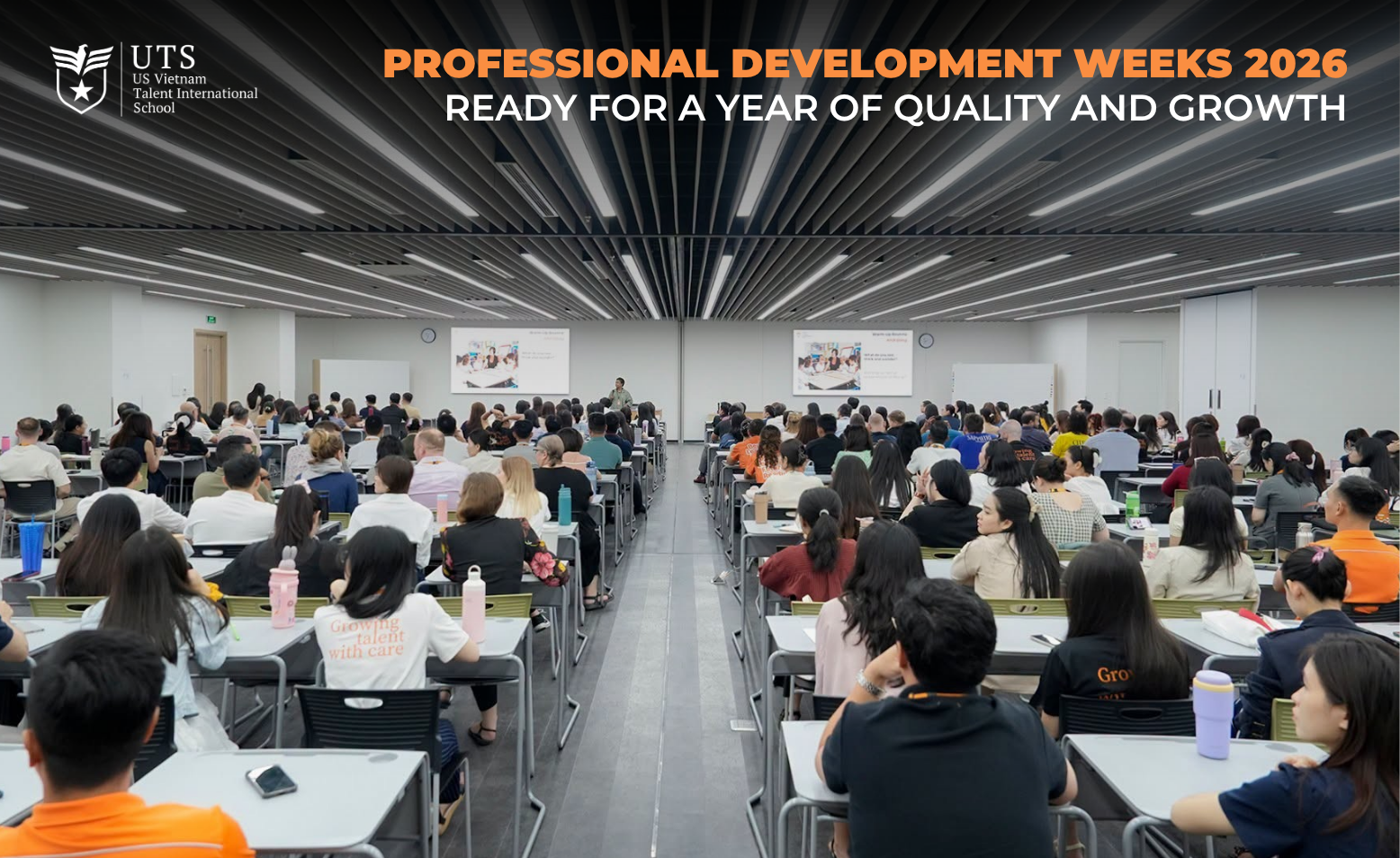
Before the 2026–2027 academic year officially began, UTS teachers and staff came together for Professional Development Weeks 2026 – two weeks dedicated to learning, connecting, and preparing for the journey ahead. At UTS, a quality learning experience for students always begins with the continuous growth of the educators who support them. UTS educators come together around a shared educational vision  Professional Development Weeks (PD Weeks) is an annual professional development programme at UTS, providing an opportunity for the entire team to reflect on achievements, update their knowledge, share experiences, and align on key priorities for the educational journey ahead. The programme began with a whole-school gathering that brought together the UTS community. During the event, educators who demonstrated dedication and made meaningful contributions throughout the 2025–2026 academic year were recognised for their efforts and impact in nurturing students’ talents. Addressing all teachers and staff, Ms. Anita Spittle – Head of School at US Vietnam Talent International School – reaffirmed UTS’s educational philosophy, vision, mission, and theme for the academic year, ensuring that every educator shares a common understanding and commitment to the School’s goals. Continuously enhancing the quality of teaching and learning A key focus throughout Professional Development Weeks was strengthening the team’s professional capabilities and further enhancing the quality of educational practice. The training sessions explored practical questions that educators encounter every day in the classroom: How can we establish and maintain positive expectations? How can we design a classroom environment that encourages students to become independent learners? How can we identify students’ different needs and provide the right support for each of them? Nurturing a growth mindset in every educator  If students are encouraged to continuously explore, learn, and grow, the educators who accompany them on that journey must embrace the same mindset. Through sessions on “Growth Mindset”
UTS One – The one parent portal for UTS
News

UTS One – The one parent portal for UTS

UTS One is the official and all-in-one parent portal for the UTS community, designed to provide a seamless, integrated and modern connection between families and the School. Instead of using multiple standalone applications and communication channels such as ManageBac, the student pick-up and drop-off application, school bus app, service registration, club registration or unofficial Zalo groups, parents can simply access UTS One to stay connected with everything that matters in one place. As the School’s official communication platform, UTS One ensures that all interactions between parents and the School are efficient, transparent and consistent. Through UTS One, parents can monitor their child’s learning progress, timetable, attendance, homework, behaviour and achievements, while also managing student and parent profiles, staying updated with school news and events, submitting leave requests, registering for clubs and school services, and communicating directly with the School. By bringing these essential features together on a single platform, UTS One makes it easier for parents to stay informed and actively support their child’s learning journey. Looking ahead, UTS will continue to enhance UTS One by introducing new features, including online tuition and service fee payments, as part of our commitment to building a comprehensive digital ecosystem. This ongoing development aims to provide parents with an even more convenient and connected experience throughout their child’s educational journey at UTS. Click HERE to view the UTS One installation and user guide.
What Is Project-Based Learning? Exploring a Modern Educational Approach at UTS
News

What Is Project-Based Learning? Exploring a Modern Educational Approach at UTS

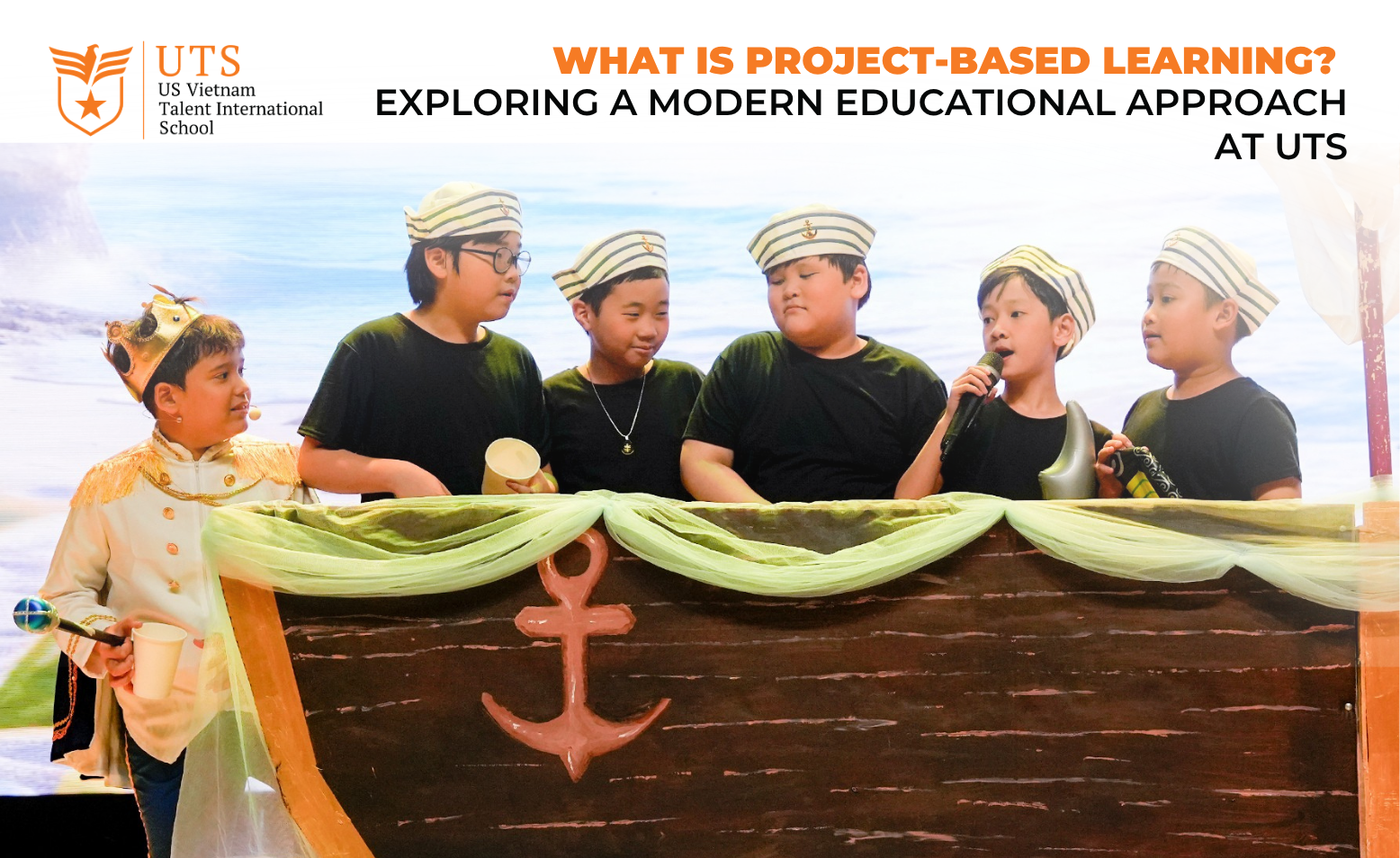
In the context of today’s constantly evolving education landscape, Project-Based Learning (PBL) has become one of the approaches adopted by many international schools to support students’ holistic development. At UTS International School of South America, students do not only acquire knowledge from textbooks, but also take part in real-world projects, actively explore ideas, and create their own learning products. So, what is project-based learning, and how is it applied to optimise students’ learning outcomes? This article will help parents and students better understand this learning model. What Is Project-Based Learning (PBL)? Project-Based Learning (PBL) is a student-centred educational approach in which students actively explore, research, and solve real-world problems through learning projects. Instead of only learning theories, students combine knowledge with practical experiences to develop thinking skills, teamwork, and problem-solving abilities.. Project-Based Learning is becoming increasingly popular in modern education The 5-Step Cycle of a Learning Project (*) A learning project following the Project-Based Learning (PBL) approach is often implemented through a clear process, helping students gradually transform knowledge into practical products. Below are the key steps: Step 1: Identifying Ideas and Driving Questions Students begin with a real-world problem or a guiding question under the teacher’s guidance, then define the goals and scope of the project. Step 2: Planning and In-Depth Research Students divide tasks, search for information, analyse data, and develop a suitable implementation plan. This stage requires students to apply critical thinking, problem-solving, and teamwork skills. Step 3: Implementation, Testing, and Adjustment During the implementation process, students apply what they have learned, test their solutions, and improve their products based on feedback. Step 4: Completing the Practical Product Based on their ideas and research outcomes, students complete products that can be presented, applied, or shared with others. Students create practical models and products in each project Step 5: