What Is Project-Based Learning? Exploring a Modern Educational Approach at UTS
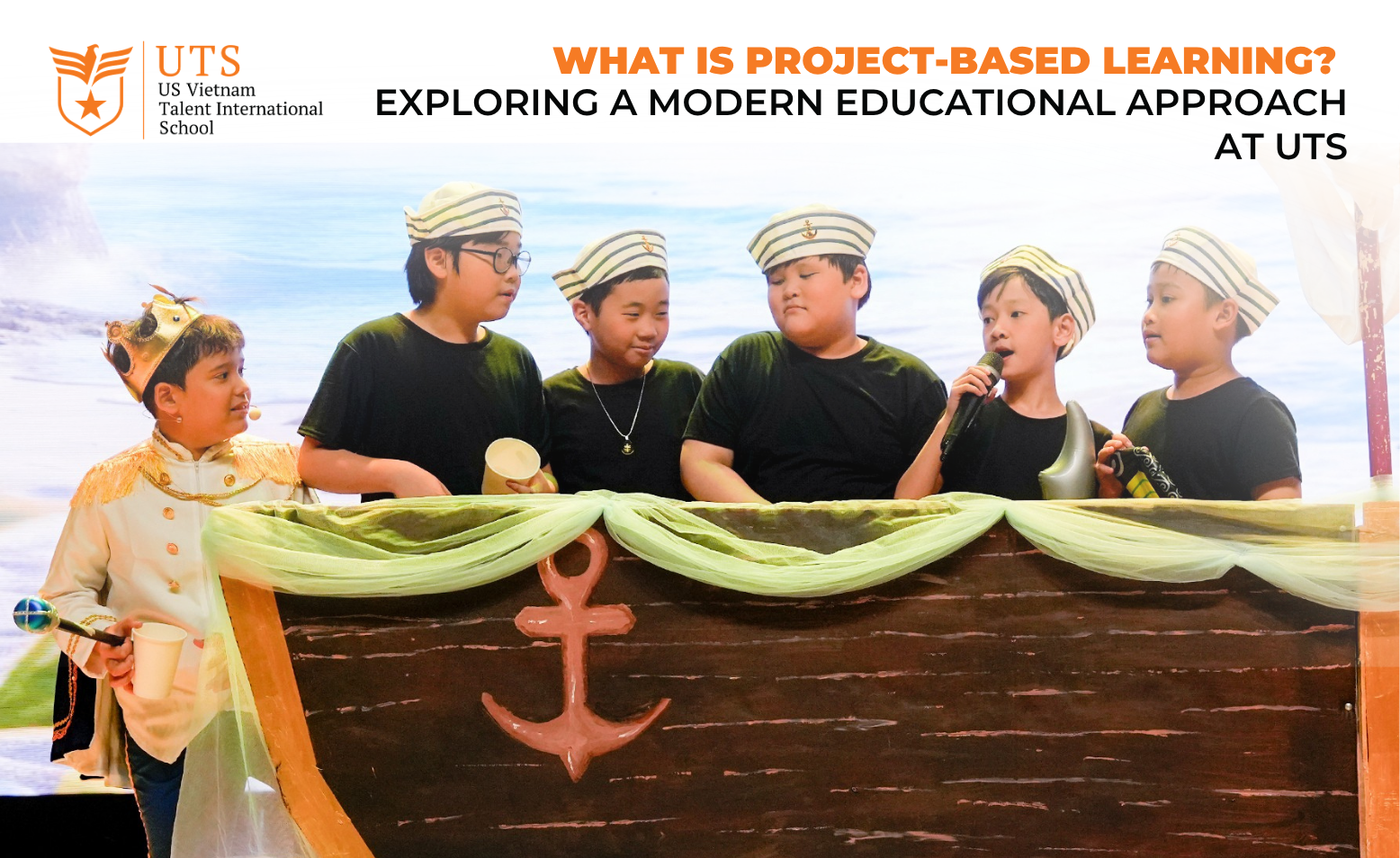
In the context of today’s constantly evolving education landscape, Project-Based Learning (PBL) has become one of the approaches adopted by many international schools to support students’ holistic development. At UTS International School of South America, students do not only acquire knowledge from textbooks, but also take part in real-world projects, actively explore ideas, and create their own learning products.
So, what is project-based learning, and how is it applied to optimise students’ learning outcomes? This article will help parents and students better understand this learning model.
What Is Project-Based Learning (PBL)?
Project-Based Learning (PBL) is a student-centred educational approach in which students actively explore, research, and solve real-world problems through learning projects. Instead of only learning theories, students combine knowledge with practical experiences to develop thinking skills, teamwork, and problem-solving abilities..
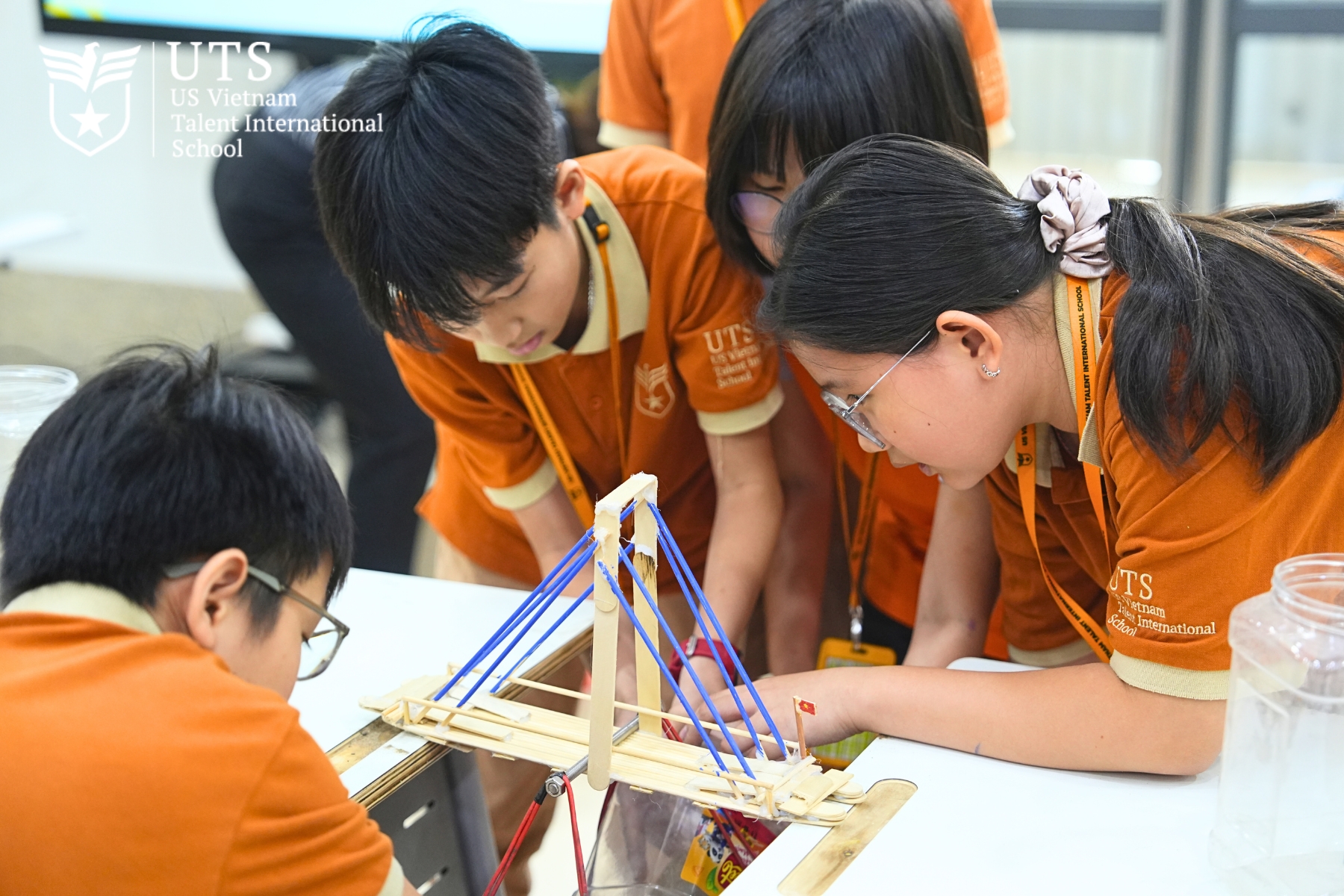
Project-Based Learning is becoming increasingly popular in modern education
The 5-Step Cycle of a Learning Project (*)
A learning project following the Project-Based Learning (PBL) approach is often implemented through a clear process, helping students gradually transform knowledge into practical products. Below are the key steps:
Step 1: Identifying Ideas and Driving Questions
Students begin with a real-world problem or a guiding question under the teacher’s guidance, then define the goals and scope of the project.
Step 2: Planning and In-Depth Research
Students divide tasks, search for information, analyse data, and develop a suitable implementation plan. This stage requires students to apply critical thinking, problem-solving, and teamwork skills.
Step 3: Implementation, Testing, and Adjustment
During the implementation process, students apply what they have learned, test their solutions, and improve their products based on feedback.
Step 4: Completing the Practical Product
Based on their ideas and research outcomes, students complete products that can be presented, applied, or shared with others.
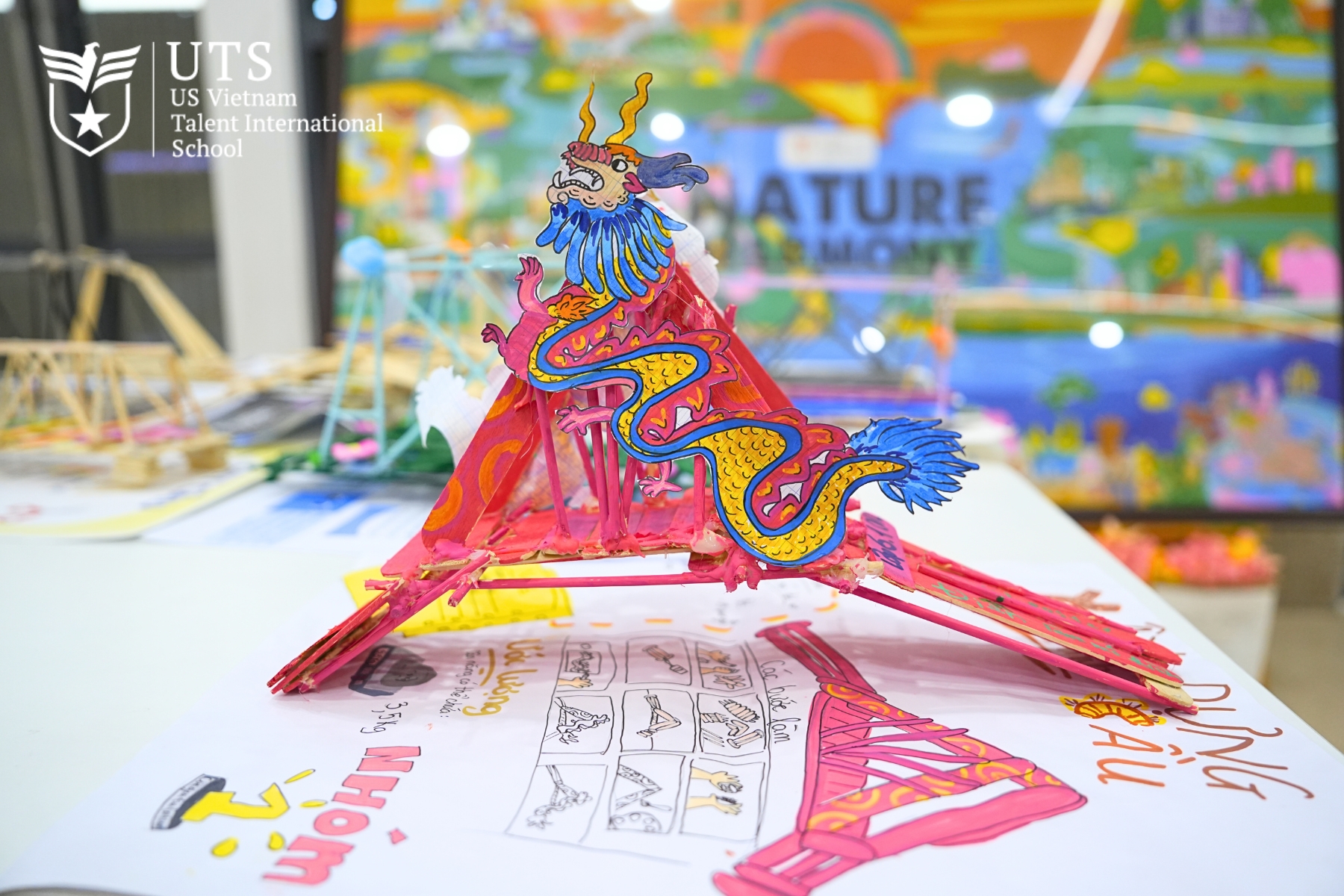
Students create practical models and products in each project
Step 5: Presenting the Product and Self-Assessment
Students present their products to teachers, classmates, or the wider community, while also reflecting on their learning process and drawing key lessons.
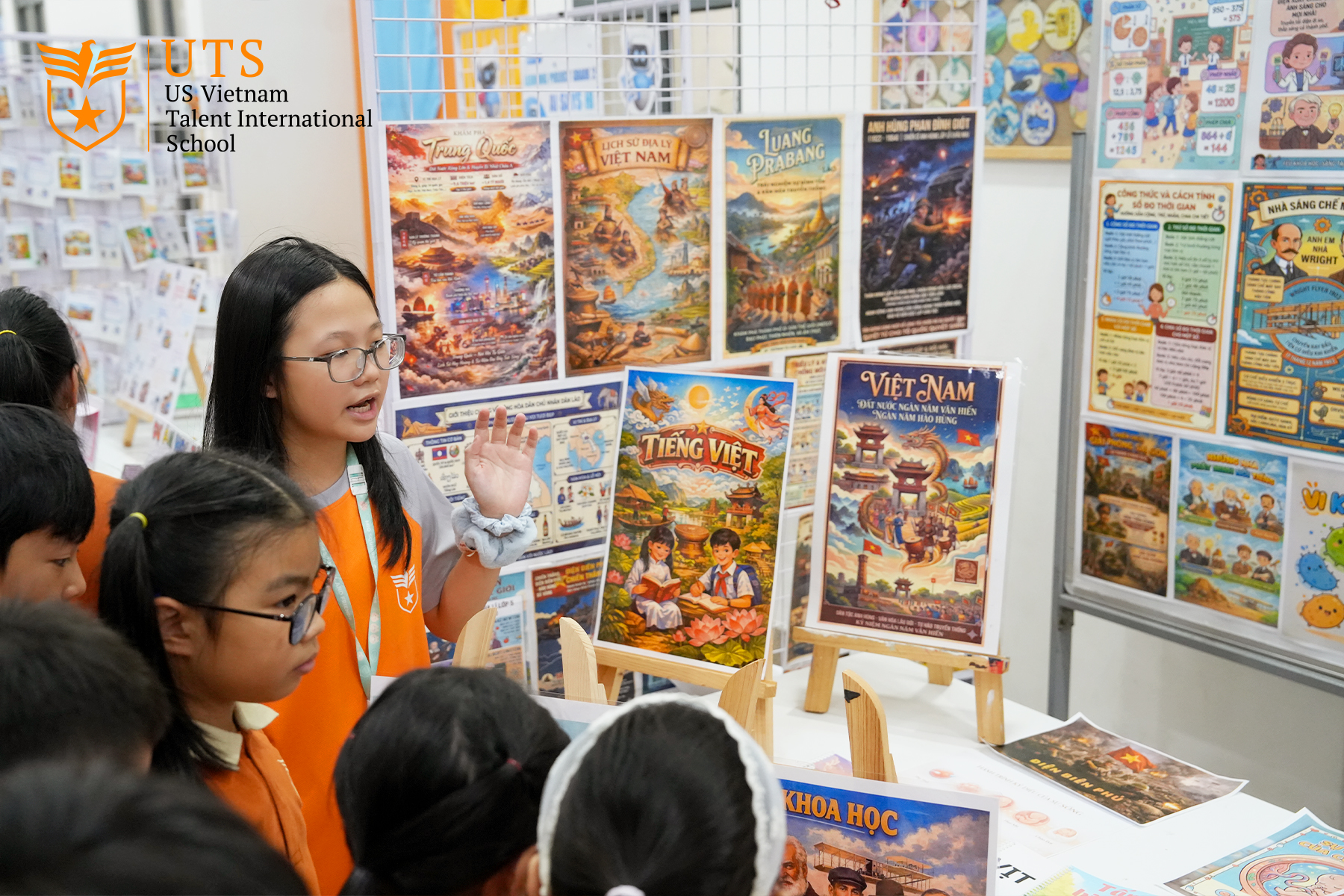
UTS students presenting their learning projects
Benefits of Project-Based Learning at an International School
Developing Critical Thinking and Problem-Solving Skills
Throughout the project process, students need to ask questions, analyse information, and choose appropriate solutions. This helps them develop critical thinking, the ability to view problems from multiple perspectives, and gradually build problem-solving capabilities in both learning and daily life.
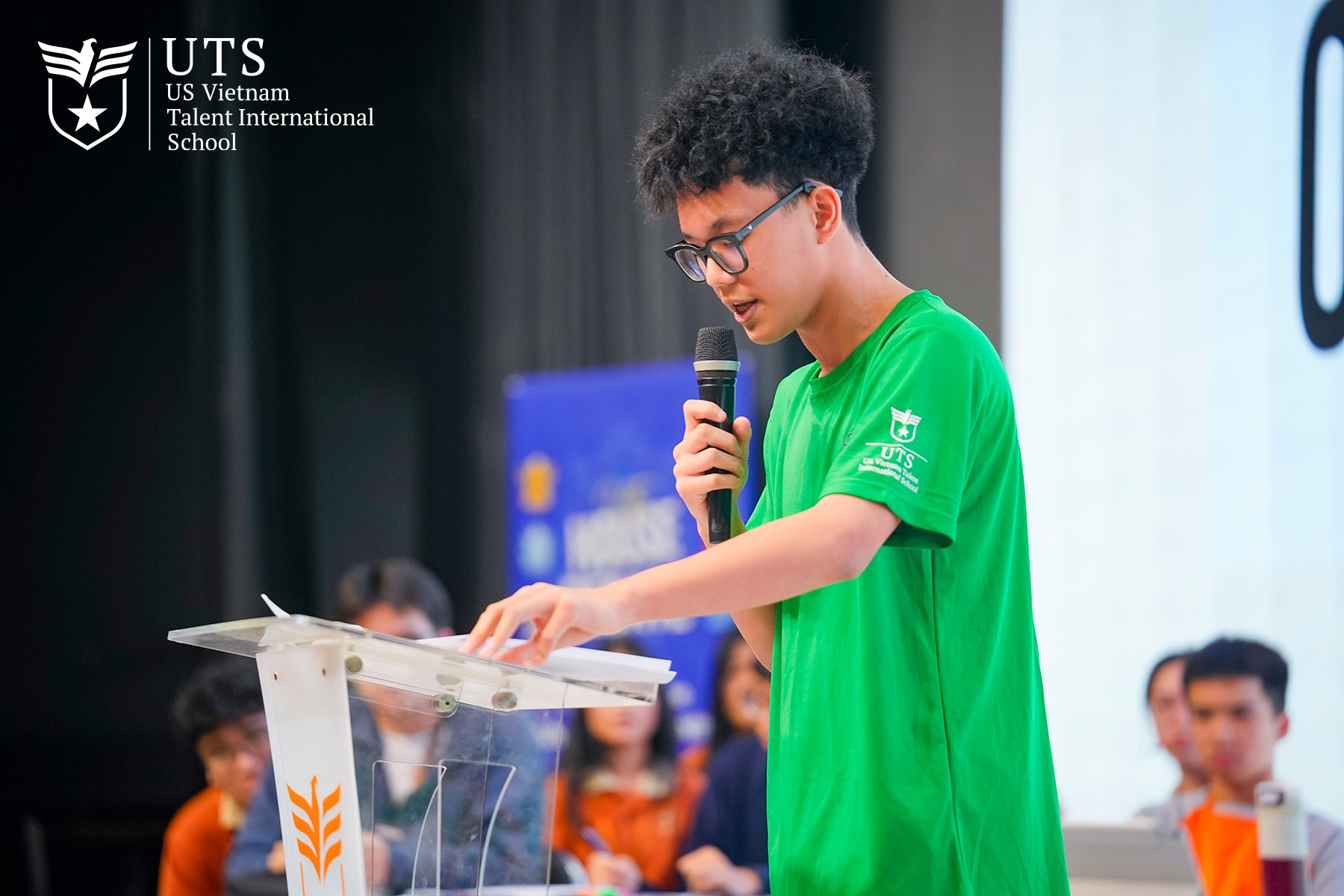
Students participate in debates and develop critical thinking in a project-based learning environment
Enhancing Communication and Collaboration Skills
Project-based learning is often implemented through group activities, helping students learn how to listen, exchange ideas, and divide tasks effectively. As they discuss and complete products together, students strengthen their communication skills, sense of responsibility, and ability to collaborate with others.
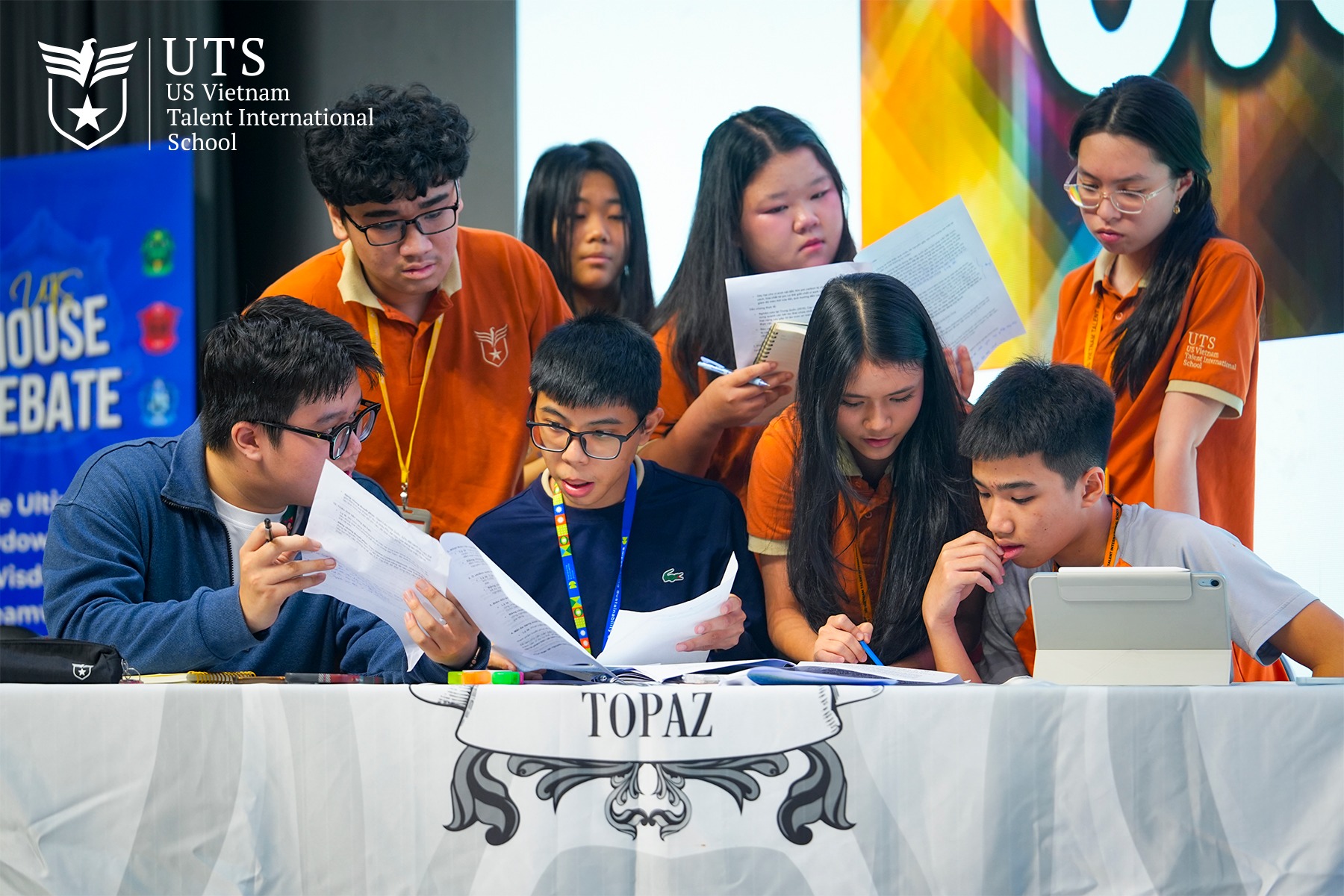
Through group discussions, students develop communication skills
Building Digital Competence and Creativity
Through learning projects, students have the opportunity to apply technology to search for information, build models, produce videos, or create other creative products. The combination of technology and creative thinking helps students gradually develop digital competence while expressing their ideas in diverse ways.
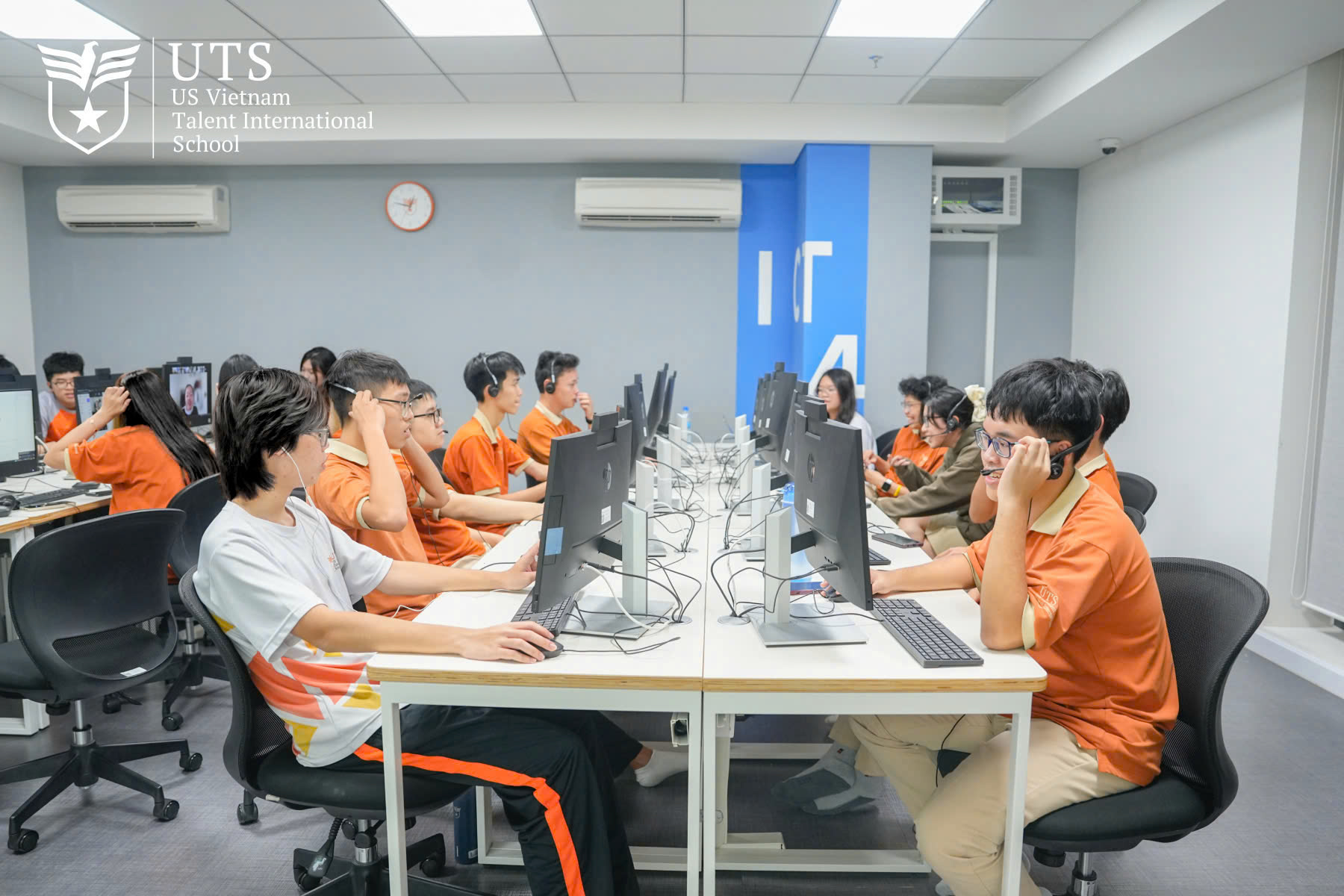
UTS students develop creative thinking and digital competence through technology-based projects.
Highlights of Project-Based Learning at UTS
Interdisciplinary Integration in the Curriculum
At UTS, Project-Based Learning is flexibly integrated into the school’s two learning pathways: the Oxford International Pathway and the Bilingual Pathway based on U.S. Common Core standards. This helps students connect knowledge across different subjects. Through interdisciplinary projects, students not only gain a deeper understanding of lessons but also learn how to apply knowledge to real-life situations, thereby developing thinking skills, essential competencies, and creativity.
Learn more: Learning programmes at UTS
Outstanding Projects That Support Holistic Development for UTS Students
At UTS, Project-Based Learning is implemented through a wide range of practical activities, helping students apply knowledge to situations closely connected to life and society. Each project not only allows students to explore their interests and strengths, but also helps them create positive values for the community.
Model United Nations
The Model United Nations (MUN) project provides a platform for students to take on the roles of country delegates, discuss global issues, and propose solutions. Through this activity, students develop critical thinking, debating, research, and English communication skills in an international environment.

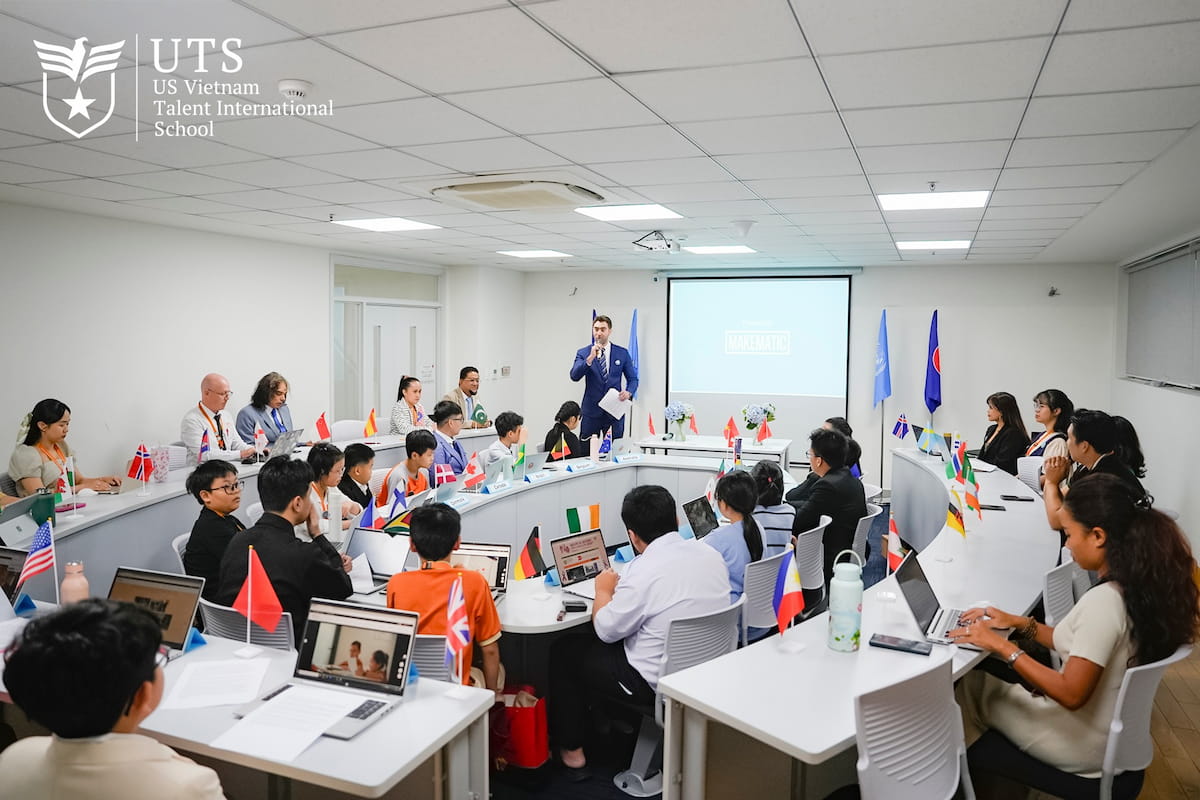
The Model United Nations conference is an intellectual platform that challenges UTS students to debate global education-related issues across countries
Junior Shark Tank project
The Shark Tank project helps students develop start-up ideas, build business models, and present their proposals before a panel of judges. Through this process, students practise financial thinking, problem-solving, and persuasive communication in a real-world setting.
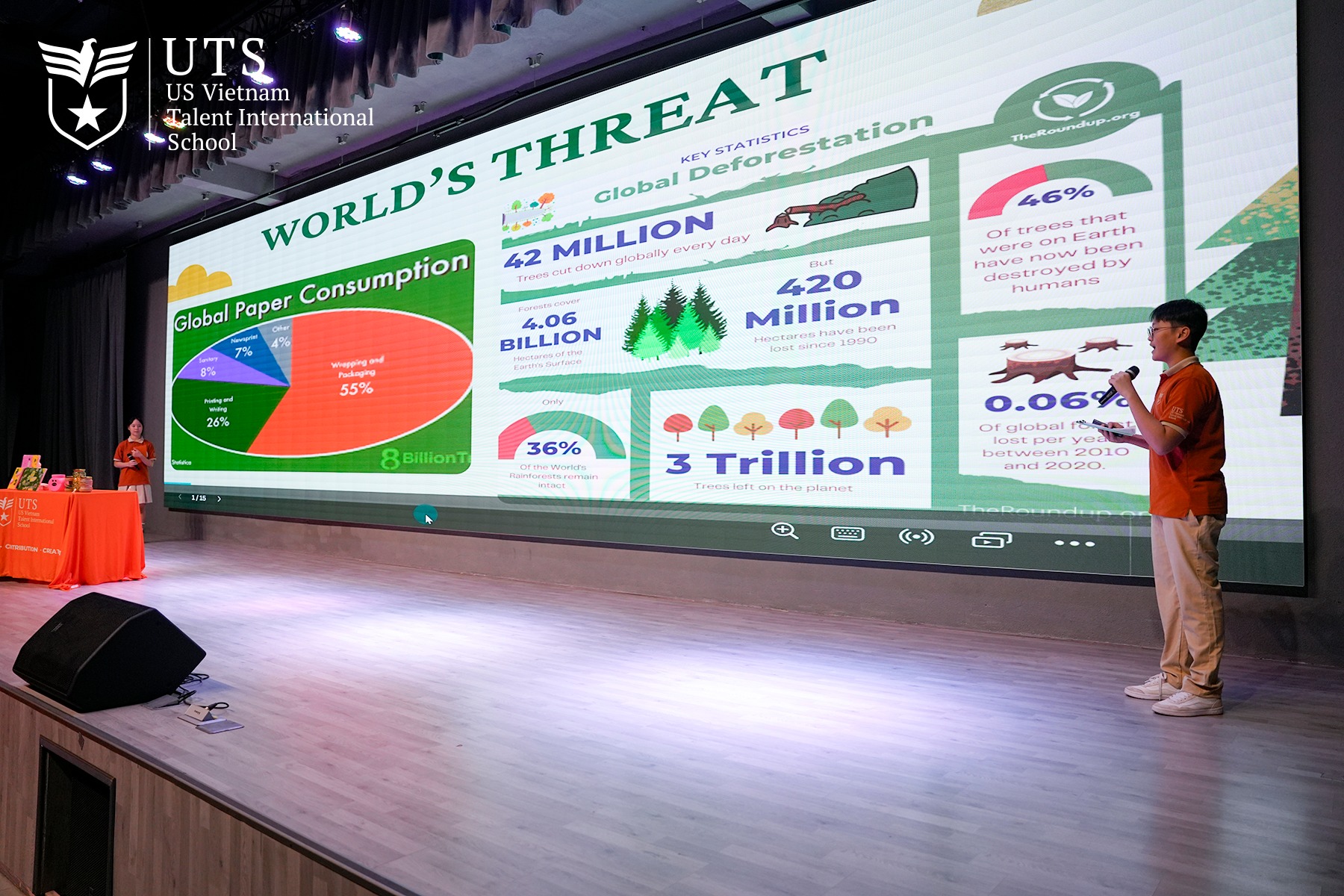

Shark Tank helps UTS students build environmental awareness through engaging business projects
Robotacon Project
UTS students also take part in technology projects and competitions such as Robotacon, where they apply STEM knowledge to programme, design, and control robots to solve real-world challenges. Through this project, students have the opportunity to develop logical thinking, creativity, and teamwork skills in a highly applied learning environment.
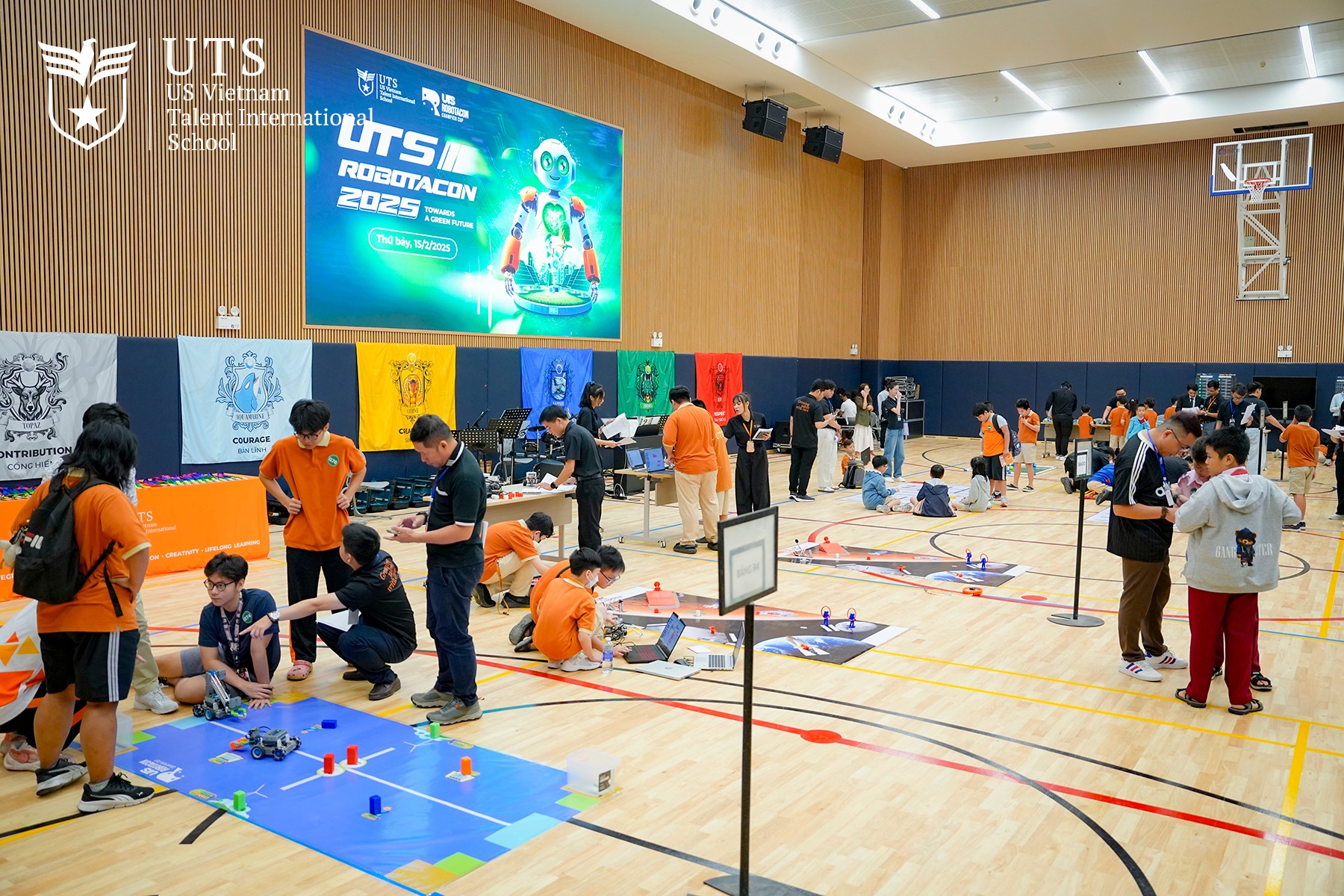
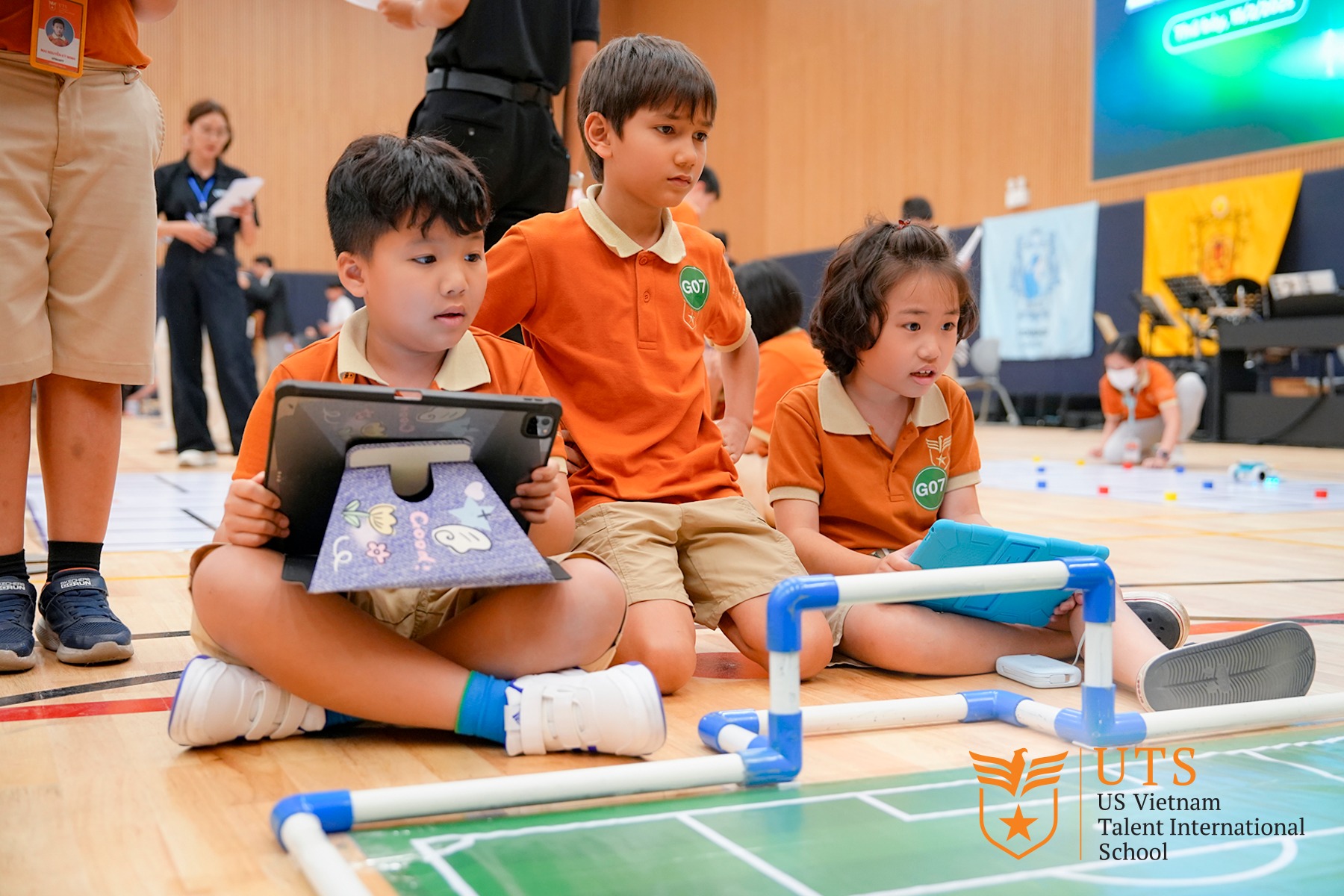
The project offers UTS students opportunities to explore their potential in STEM and AI
New Gen Interdisciplinary Project
The New Gen interdisciplinary project is one of UTS’s outstanding learning activities, where Primary students connect knowledge from different fields such as Arts, Music, Life Skills, and academic subjects through experiential learning and performing arts activities.
“Bach Nghe Hon Viet” is part of the New Gen 4 interdisciplinary project series, where students retell the beauty of traditional Vietnamese culture through their own artistic perspectives.
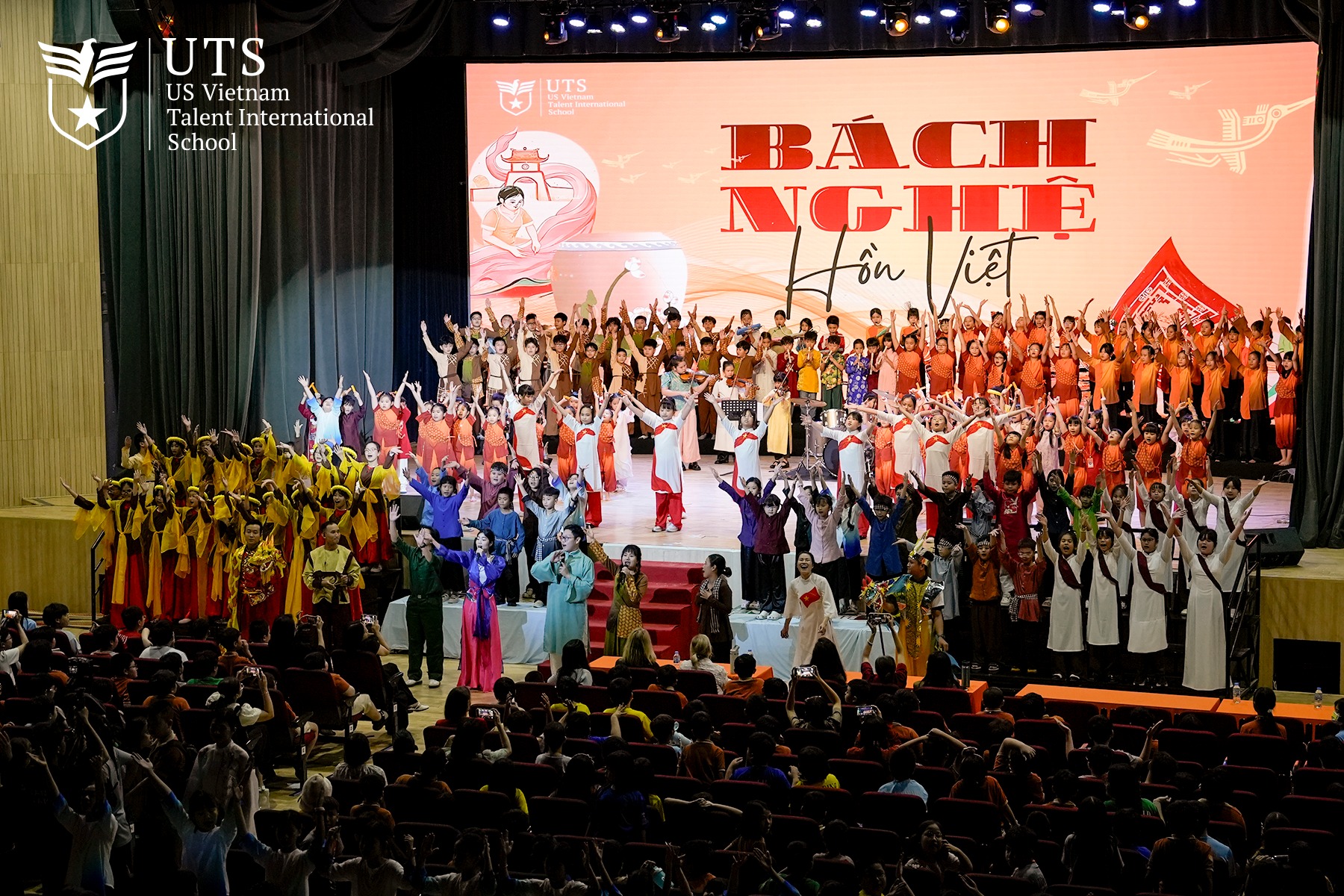
Performing Arts are integrated with Visual Arts, Music, and Life Skills in the New Gen project
Wintershow Project
The Winter Show project is a highlight of the Music and Performing Arts programme at UTS, where students showcase their learning process, practice, and artistic development through performances. From mastering musical instruments and collaborating as a group to performing confidently in front of an audience, each performance reflects students’ dedication, discipline, and stage confidence built through every lesson.
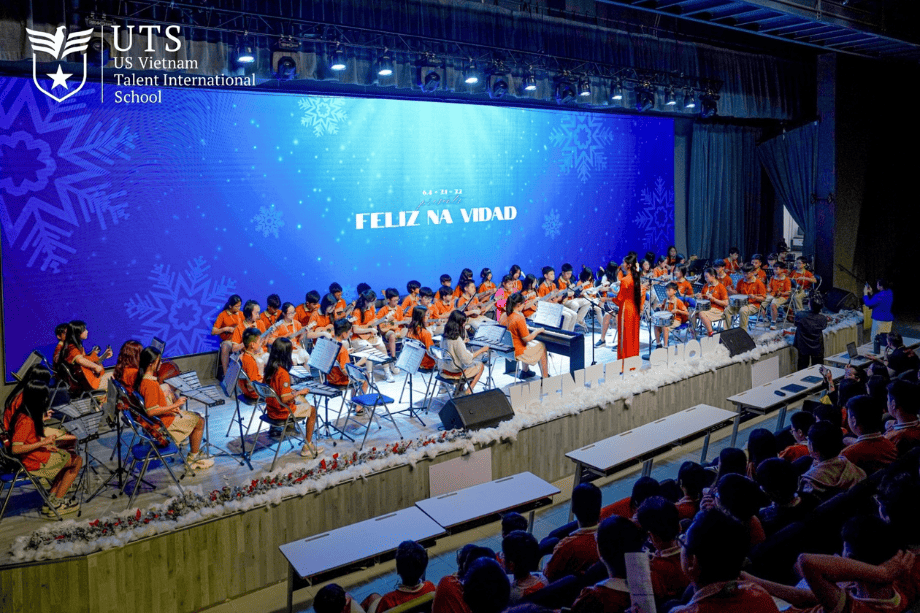
The Winter Show featured nearly 200 students and more than 100 musical instruments
Xem thêm: Dự án học tập của học sinh UTS
Explore an International Project-Based Learning Environment at UTS
Project-Based Learning (PBL) not only helps students develop a deeper understanding of knowledge, but also fosters proactive thinking, collaboration, and readiness to face new challenges. Through real-world projects, students practise asking questions, seeking solutions, and creating learning products that reflect their own ideas and identities.
At UTS, Project-Based Learning is implemented in an international education environment where every learning experience is designed to develop students’ academic competence, essential skills, and confidence.
If parents are interested in learning more about UTS academic programmes, life skills activities, and the educational approaches applied in teaching at UTS, please visit HERE or contact the hotline at (028) 710 78887 for support.
(*) This article references the following source:
Five steps of Project Based Learning: https://doi.org/10.31651/2524-2660-2025-1-192-198
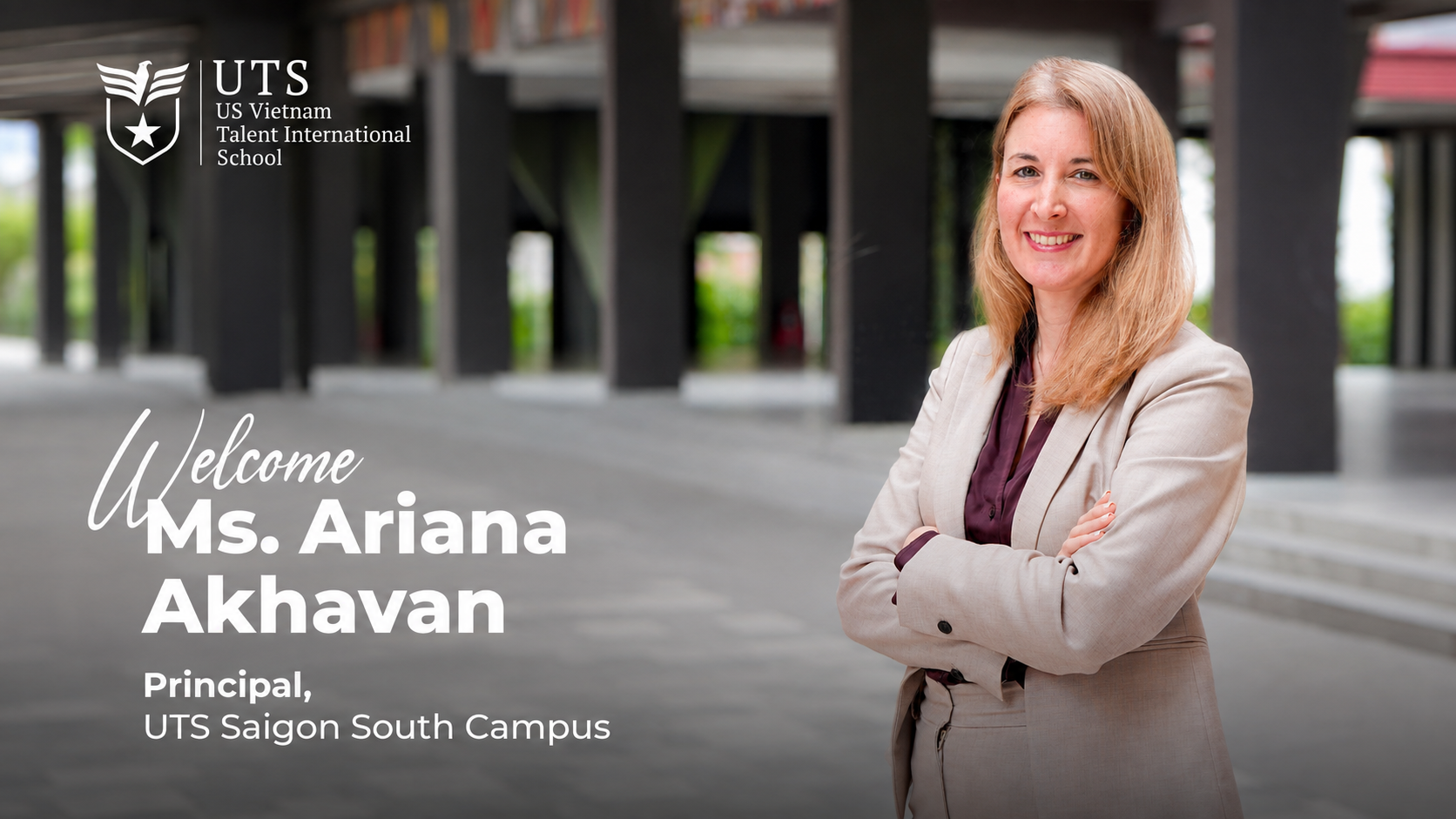
Welcoming Ms. Ariana Akhavan – Principal of UTS Saigon South Campus
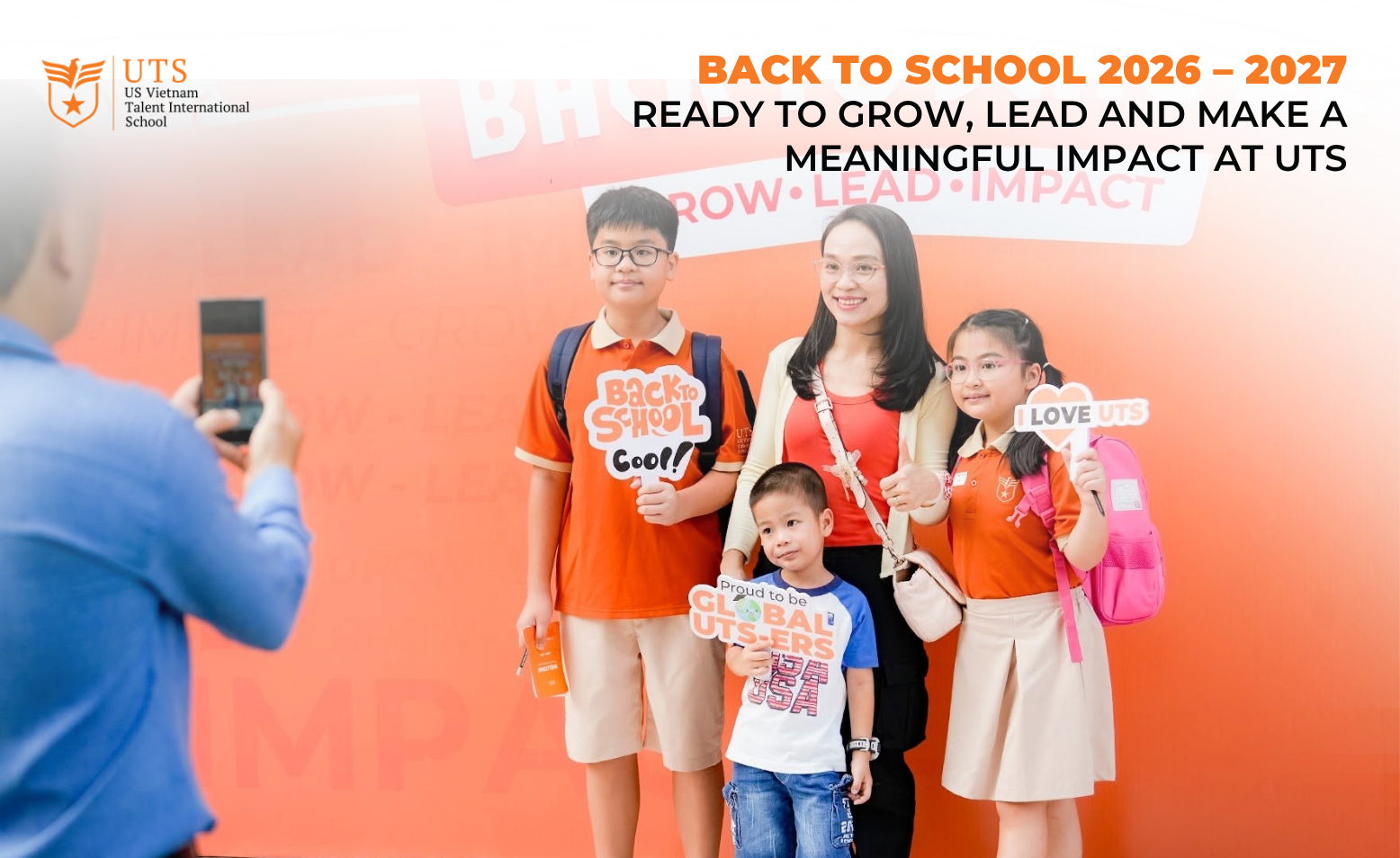
Back to School 2026 – 2027: Ready to Grow, Lead and Make a Meaningful Impact at UTS
Professional Development Weeks 2026: Ready for a year of quality and growth
UTS One – The one parent portal for UTS