UTS – A Leading International Education Environment in Binh Thanh
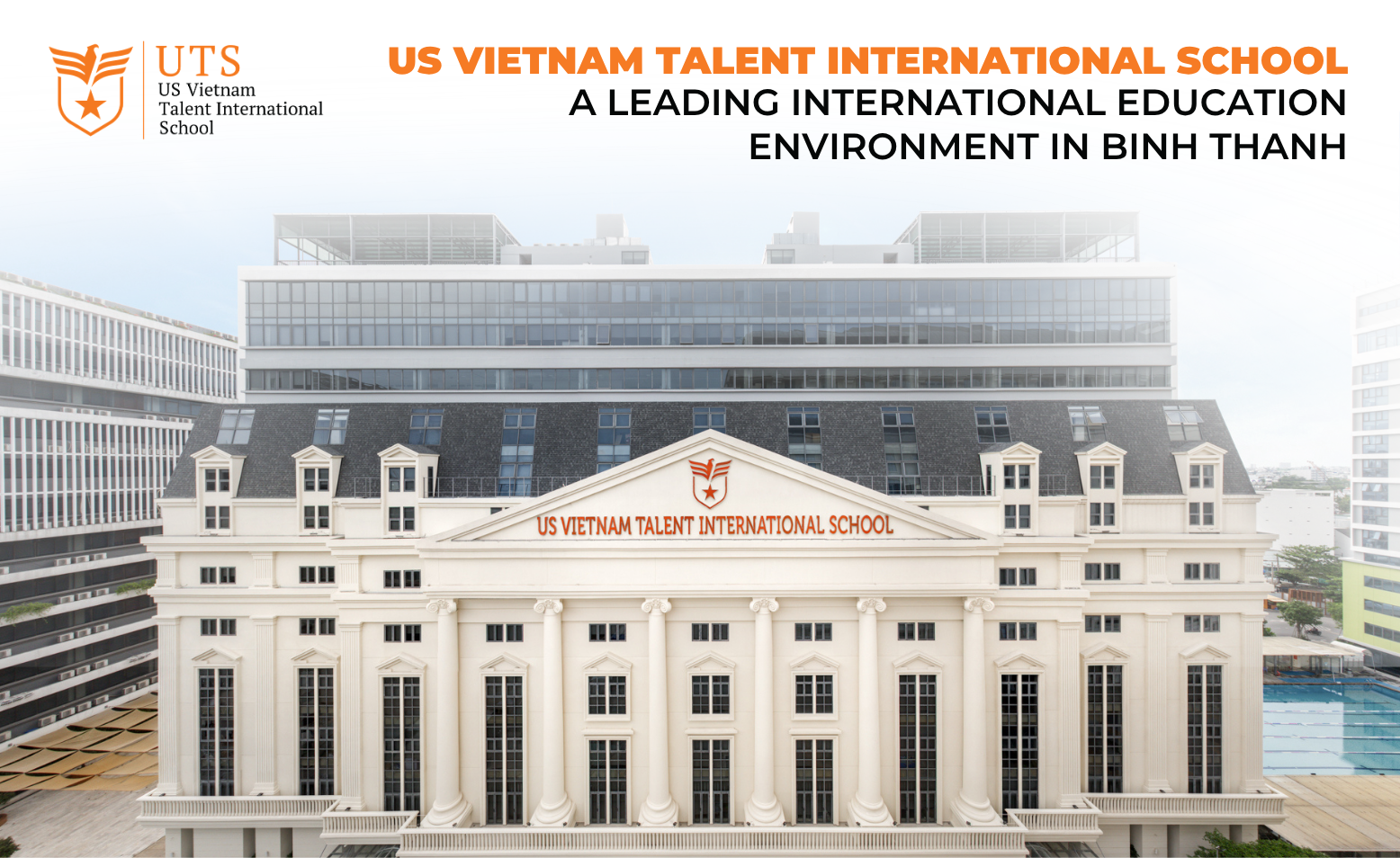
Located in Binh Thanh District — formerly Binh Thanh District and now Binh Loi Trung Ward is a trusted choice for many parents seeking a high-quality international education environment for their children. With a modern bilingual learning pathway, internationally benchmarked facilities, and a holistic development orientation, UTS offers a learning journey that helps students grow academically, develop essential skills, and build the confidence to integrate into the global community.
About US Vietnam Talent International School (UTS)
UTS is a bilingual international school system under Van Lang Education Group, which has over 30 years of experience in education in Vietnam. Established in 2018, UTS was built with the vision of becoming a modern educational environment where students can develop holistically in academics, skills, and mindset in the context of global integration.
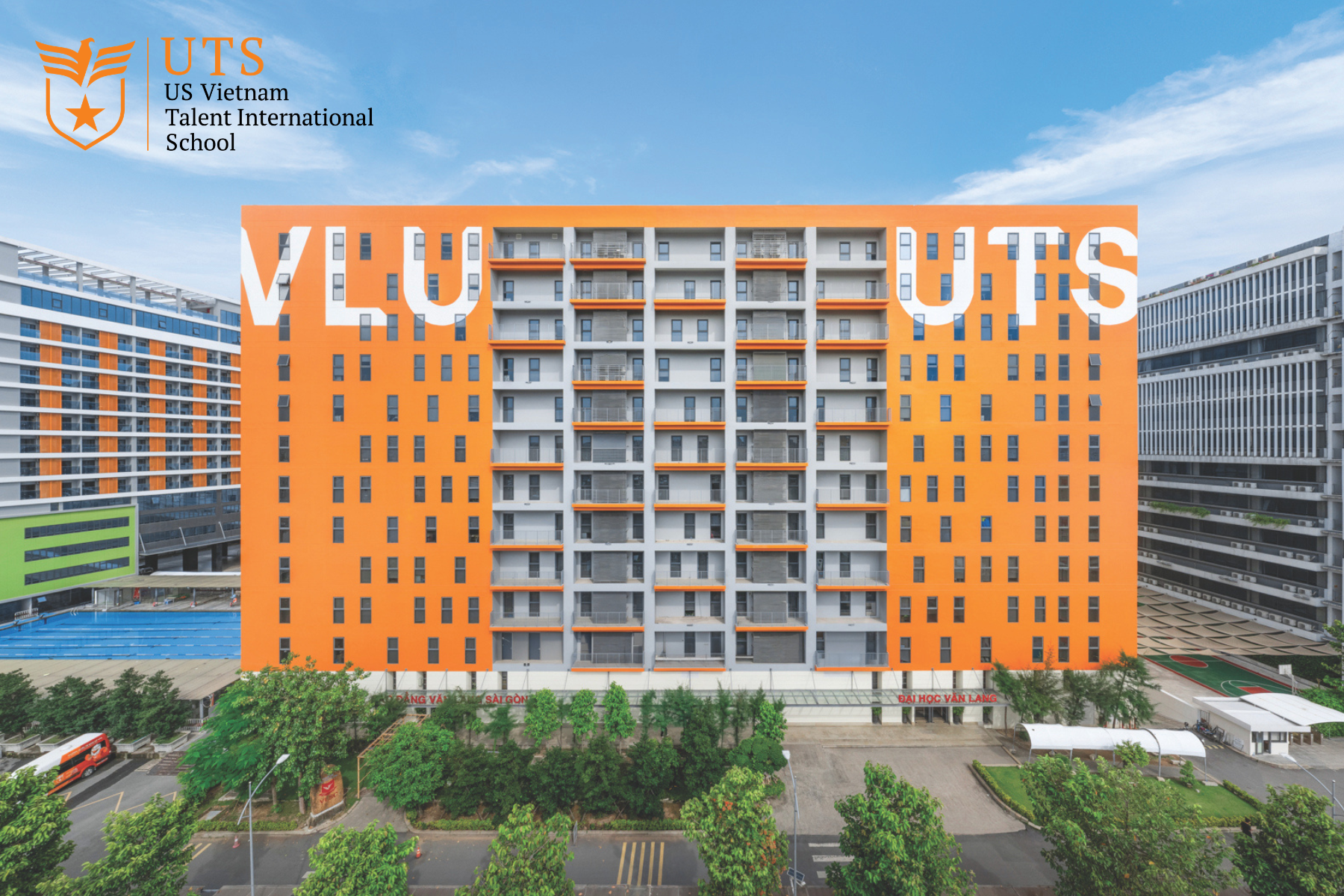
UTS is a bilingual international school system under Van Lang Education Group, with more than 30 years of experience in education
Key advantages of UTS Van Lang Complex in the Binh Thanh area
Convenient location
UTS Van Lang Complex is located in Binh Thanh, one of Ho Chi Minh City’s dynamic central areas, with convenient access to nearby districts such as Phu Nhuan, Tan Binh, and District 12. Thanks to its accessible location and safe environment, parents can easily pick up and drop off their children while feeling assured throughout their learning journey.
Modern facilities
Located within the Van Lang education complex, UTS is equipped with modern facilities that create an inspiring learning environment and support students’ holistic development. From classrooms and libraries to sports and creative spaces, every area is designed to meet students’ learning, experiential, and exploratory needs.
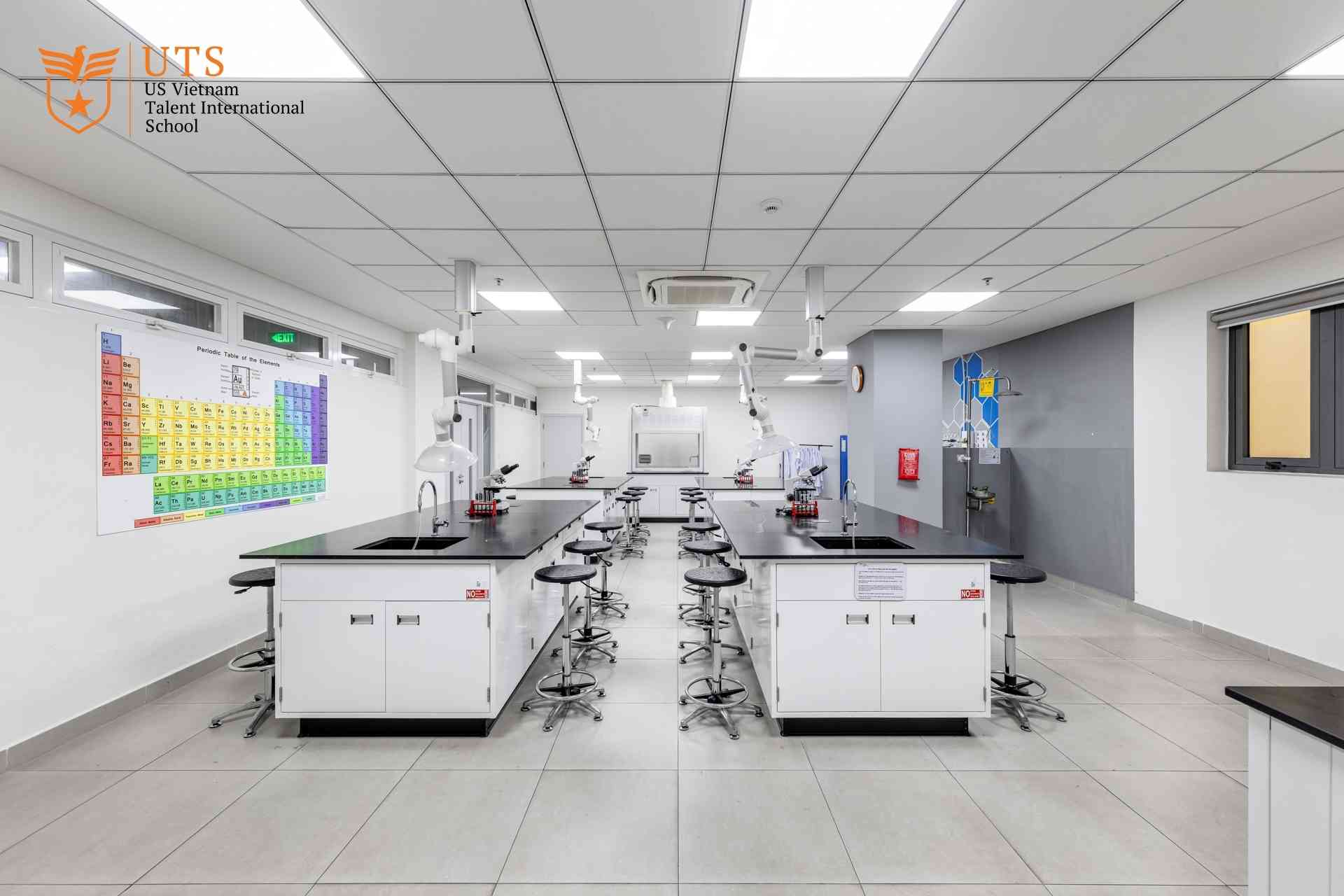
The laboratories at UTS are fully equipped with modern learning tools and equipment
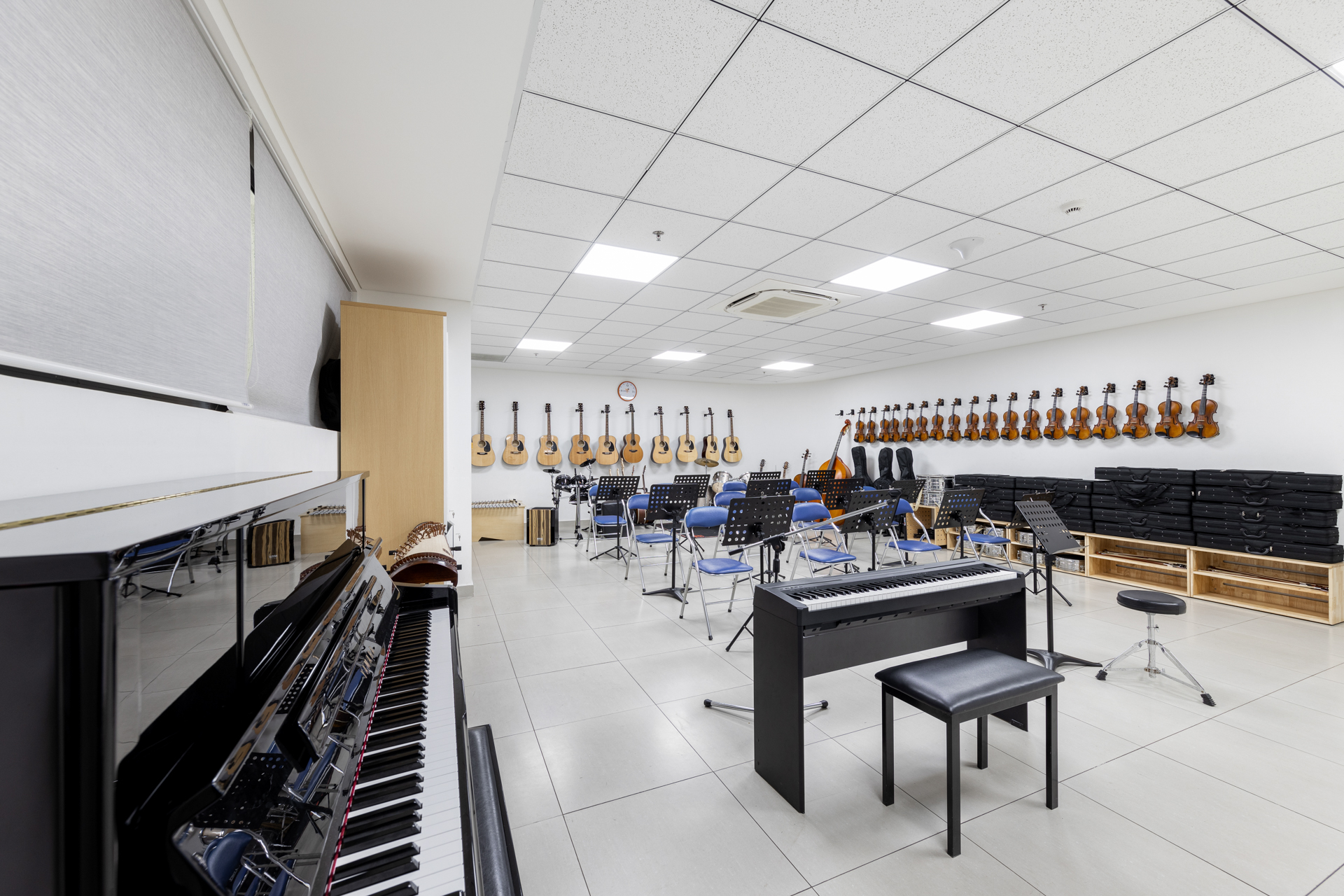
The music room offers a wide range of instruments and a creative space for students
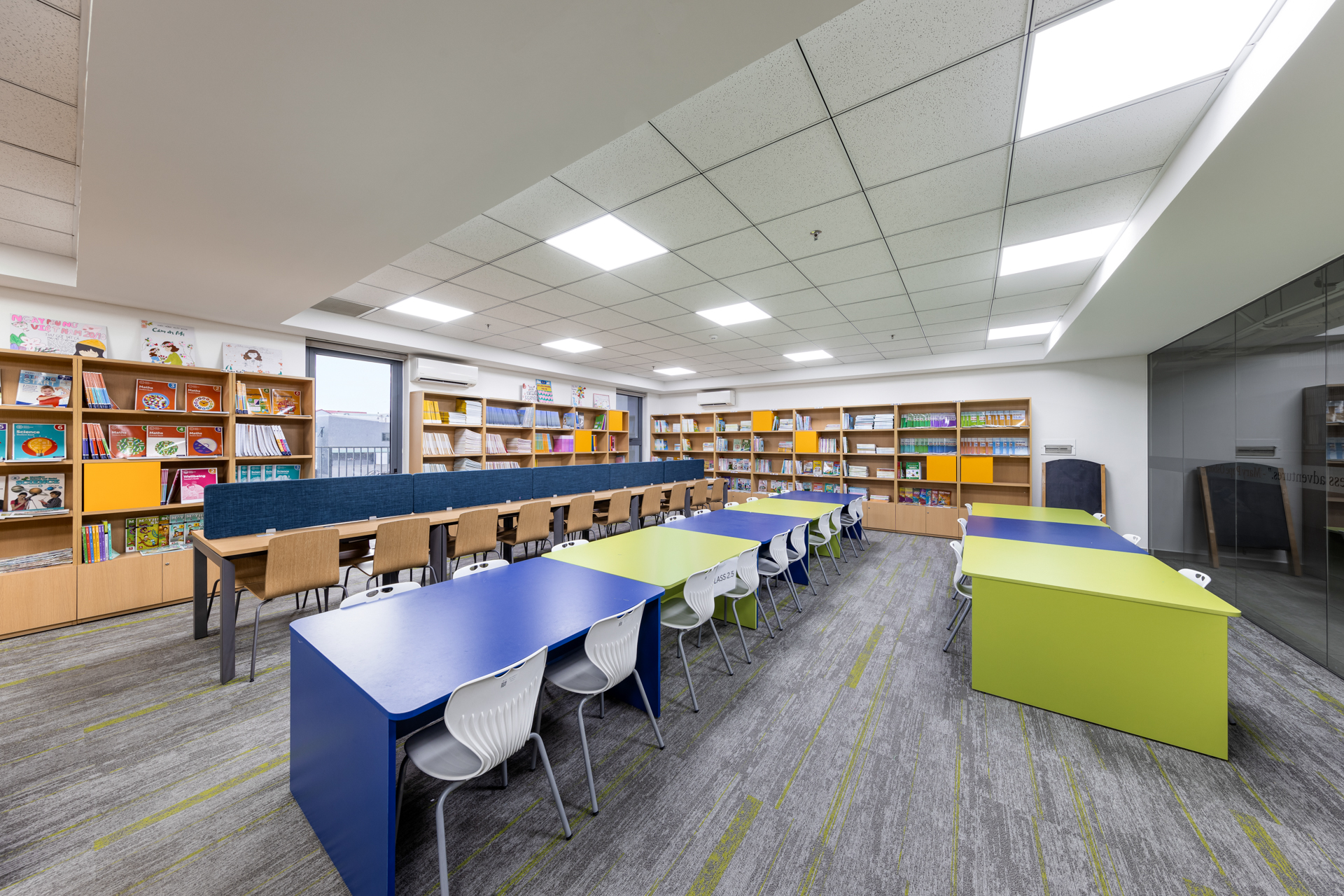
The UTS library features a diverse collection of books and study areas to support student learning.
A dedicated team of “nurturers”
The team of Vietnamese and international teachers at UTS brings strong professional expertise, well-developed teaching skills, and extensive experience in bilingual and international education environments. Beyond supporting students academically, teachers closely accompany each student, applying appropriate teaching methods to help them develop academic competence, essential skills, and confidence throughout their growth journey.
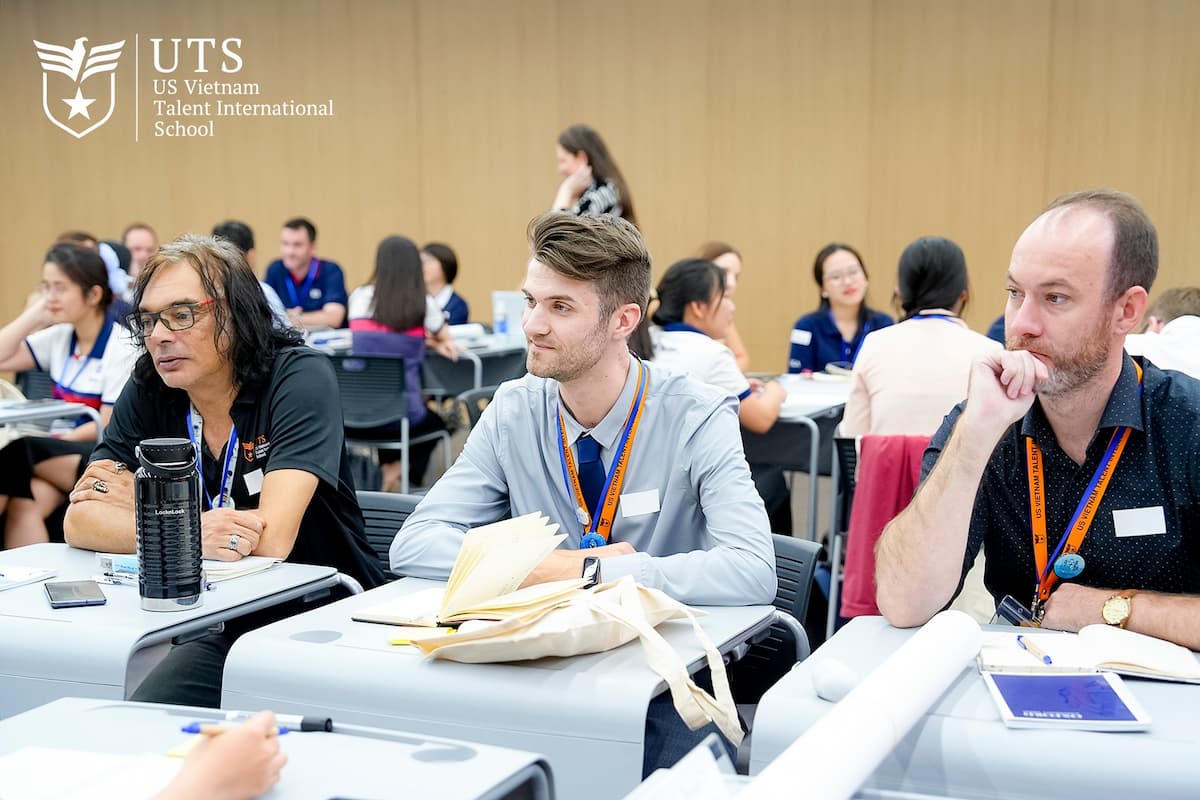
UTS teachers accompany students in a bilingual learning environment
Explore the learning pathways at UTS
At UTS, students are guided toward holistic development through two carefully designed learning pathways aligned with international standards. Each pathway focuses on balancing academic knowledge, skills, and global integration, helping students grow in line with their abilities and future aspirations.

UTS offers two suitable learning pathways to help students get ready for the future
International Pathway
The International Pathway at UTS integrates the Oxford International Curriculum (OIC) with the Vietnamese National Curriculum. With the Oxford International Curriculum from the United Kingdom serving as the main academic framework, this pathway aims to build a strong academic foundation from the early years and develop outstanding English proficiency.
From Grade 1 to Grade 8, students build a solid foundation in academic English, Mathematics, Science, Global Citizenship Skills Projects, Well-being, and Performing Arts through subjects delivered with an international orientation. This is an important stage where students become familiar with learning in English, while developing their ability to analyse, express opinions, and solve problems.
From Grade 9 to Grade 12, students continue their international academic pathway through globally recognised subjects and qualifications such as GCSEs and A-Levels. The International Pathway helps students gradually prepare for university and global learning environments.
Learn more: International Pathway at UTS
Bilingual Pathway
Alongside the International Pathway, UTS offers a Bilingual Pathway based on the U.S. Common Core standards, integrated with the Vietnamese curriculum to ensure a balance between local academic foundations and international readiness.
From Grade 1 to Grade 9, students study in a bilingual environment with international subjects based on the Common Core standards, focusing on language development, mathematical thinking, science, reading comprehension, analysis, and problem-solving. This stage helps students build a balanced learning foundation between the Vietnamese curriculum and international academic standards.
From Grade 10 to Grade 12, students continue their international orientation through the Advanced Placement (AP) programme. Through university-level advanced subjects, the Bilingual Pathway helps students expand their academic capabilities, strengthen their learning profiles, and prepare for a wide range of post-secondary options.
Learn more: Bilingual Pathway at UTS
A dynamic extracurricular environment that supports holistic development at UTS
Clubs and sports activities
At UTS, students have the opportunity to join more than 30 clubs across five diverse groups: Advanced Learning, Thinking, Arts, Skills, and Sports. These activities allow UTS-ers to explore their personal interests, strengthen physical well-being, develop teamwork, and build confidence in an active learning environment.
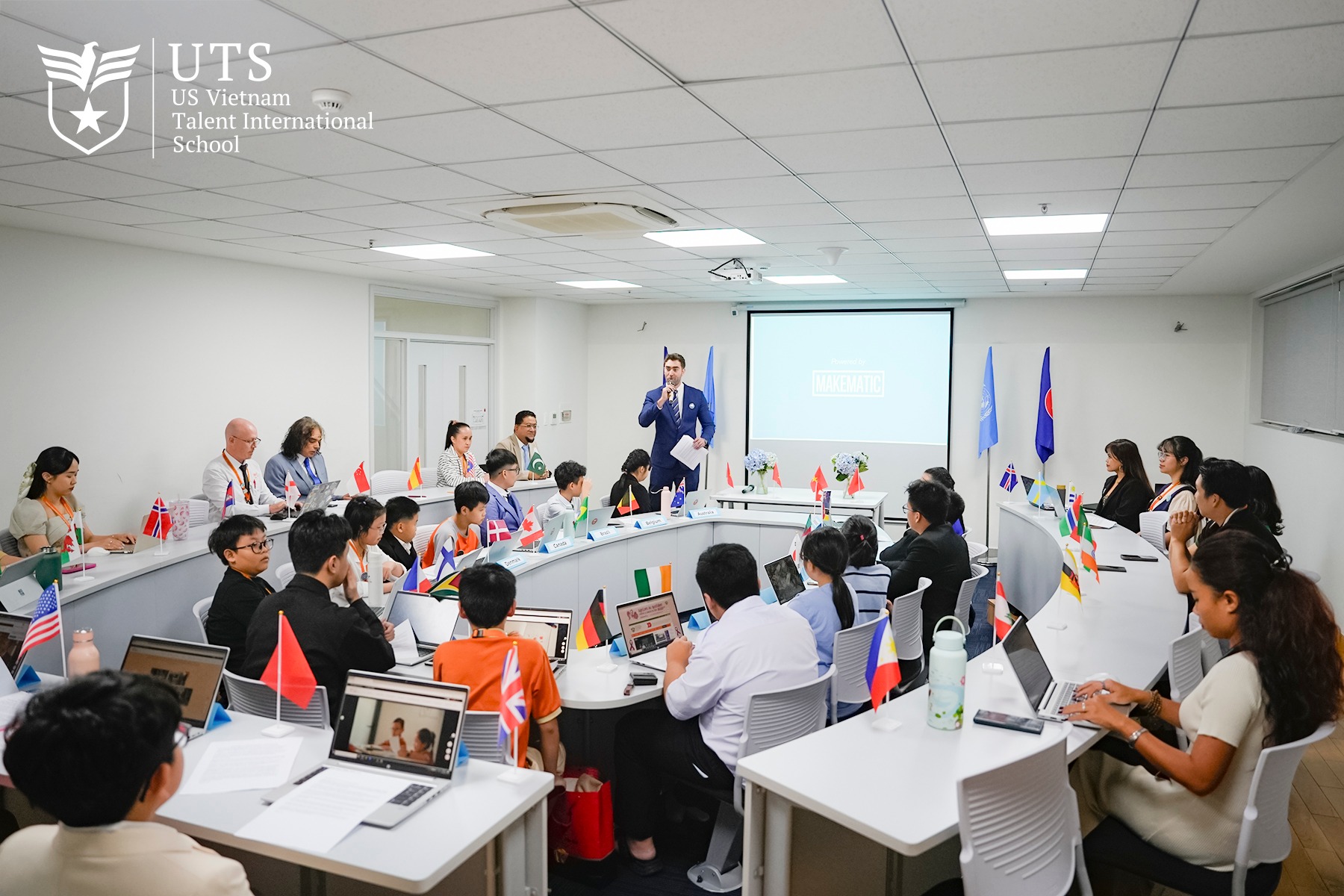
The Debate Club at UTS helps students develop critical thinking and presentation skills
Experiential learning activities
Experiential learning at UTS is organised once every semester, helping students expand their knowledge beyond the classroom and connect learning with real-life contexts. Through observation, exploration, and direct interaction, UTS students have more opportunities to develop social skills, adaptability, and independent thinking.

Each grade level has its own set of experiential activities, aligned with specific learning objectives and developmental goals.
Project-based learning
UTS places strong emphasis on learning projects and extracurricular activities that encourage students to inquire, collaborate, and solve problems. These experiences allow students to apply knowledge to real-life situations while developing creativity and teamwork skills.
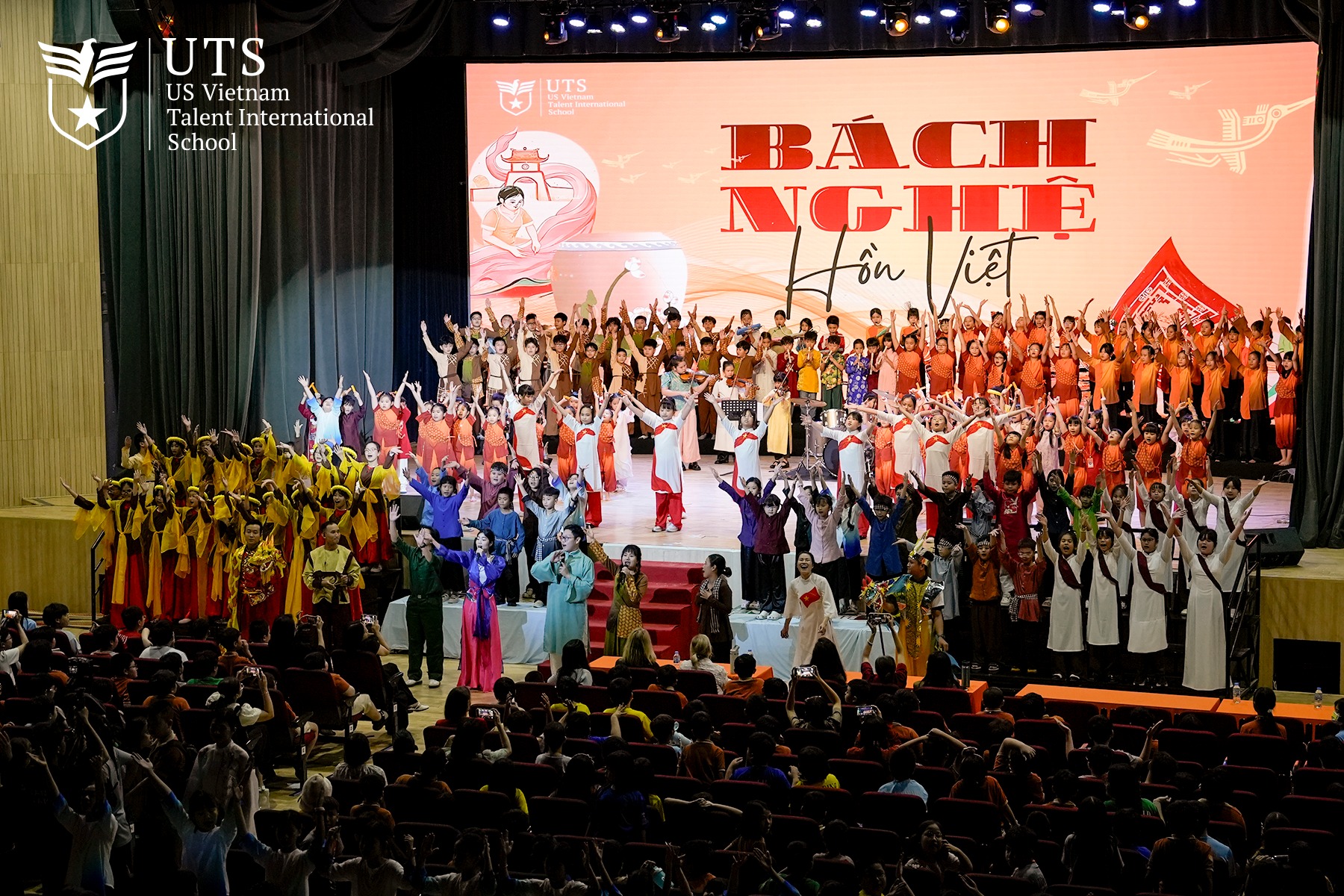
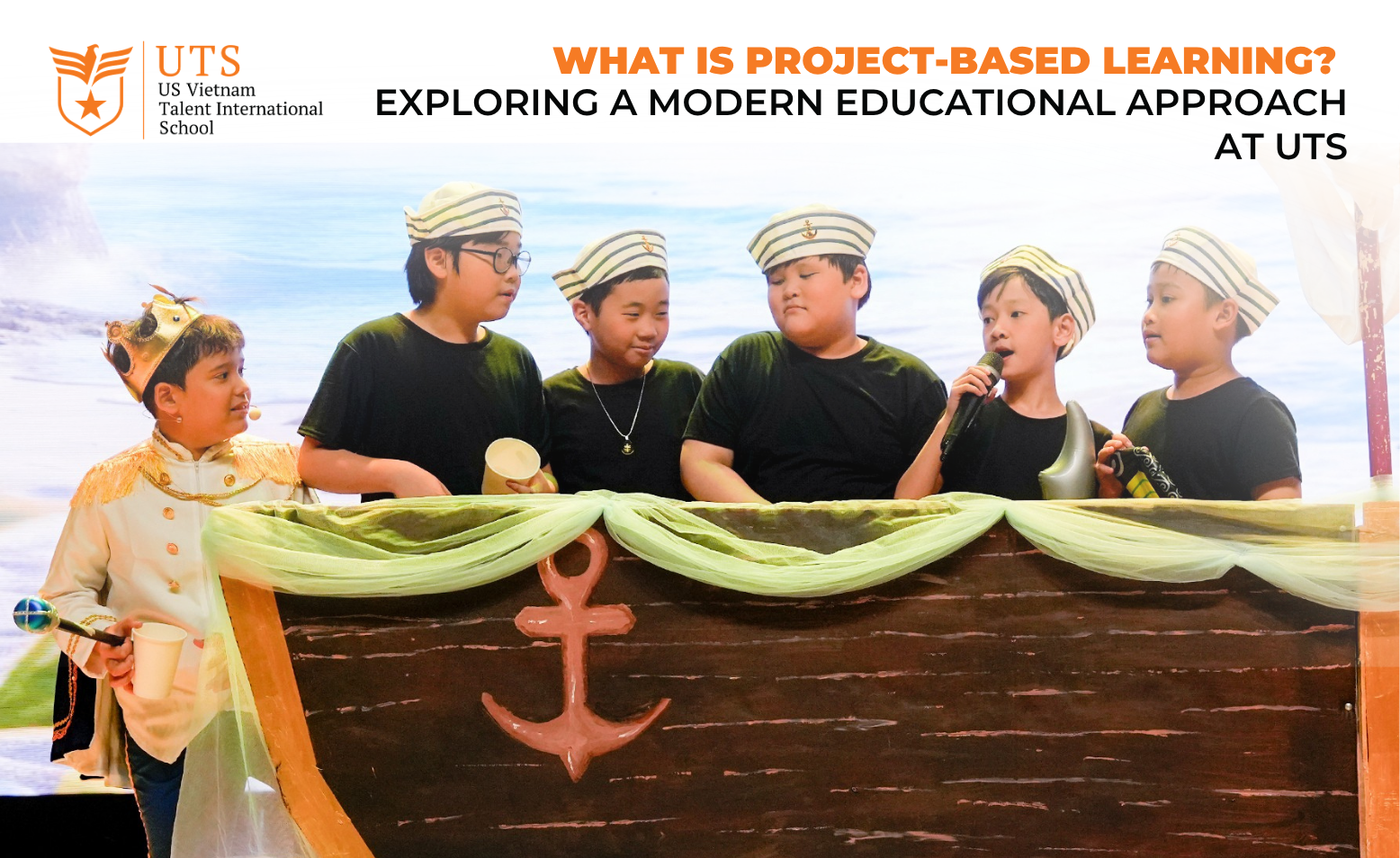
“Bach Nghe Hon Viet” — part of the New Gen 4 project by UTS Primary students — reimagines the culture of Vietnam’s three regions through performing arts
Opportunities to participate in local and international competitions
UTS students are encouraged to participate in academic, artistic, sports, and creative competitions at different scales. These local and international platforms help UTS-ers challenge themselves, gain valuable experience, and gradually build the capacity for global integration.
Why do many parents in the Binh Thanh area choose UTS for their children?
With a holistic educational orientation and a modern international learning environment, UTS offers students many opportunities to develop academically, socially, and globally. This is also one of the reasons why UTS has become a school of interest for many parents in the Binh Thanh area of Ho Chi Minh City.
Developing language proficiency
Studying in a bilingual and international environment gives UTS-ers many opportunities to use English in both academic contexts and daily activities. This not only supports natural language development but also helps students build confidence when communicating and learning in a global environment.
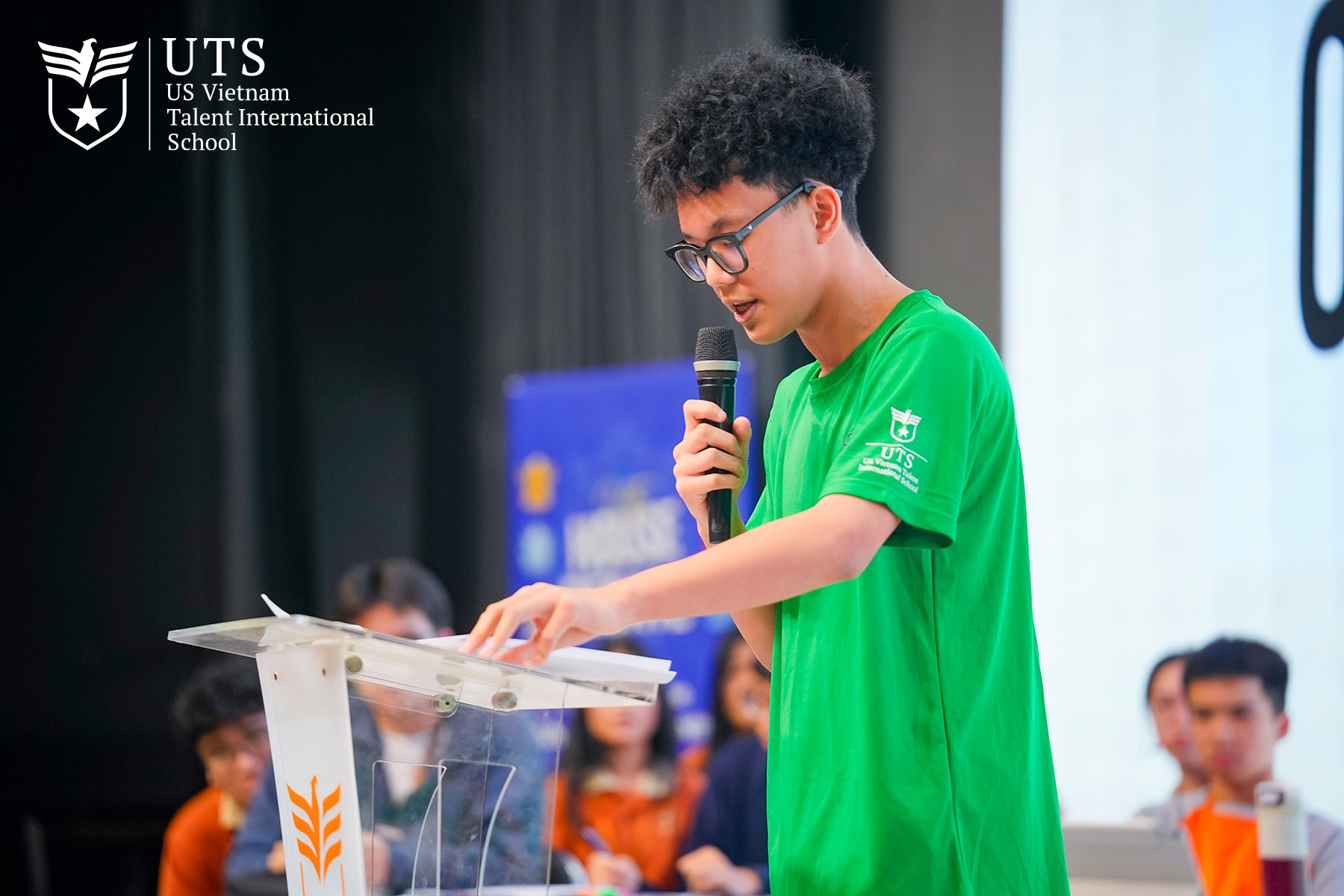
UTS students develop language skills through extracurricular activities
Accessing high-quality international education
The curriculum at UTS is designed with an international orientation, focusing on thinking skills, knowledge application, and practical learning experiences. Through diverse learning pathways, UTS-ers are equipped with a strong academic foundation to prepare for higher levels of education in the future.
Developing soft skills
In addition to academic knowledge, UTS focuses on building an environment where students can develop communication, teamwork, critical thinking, and problem-solving skills. Learning activities, projects, and real-life experiences also help nurture confidence, responsibility, and adaptability among UTS-ers.

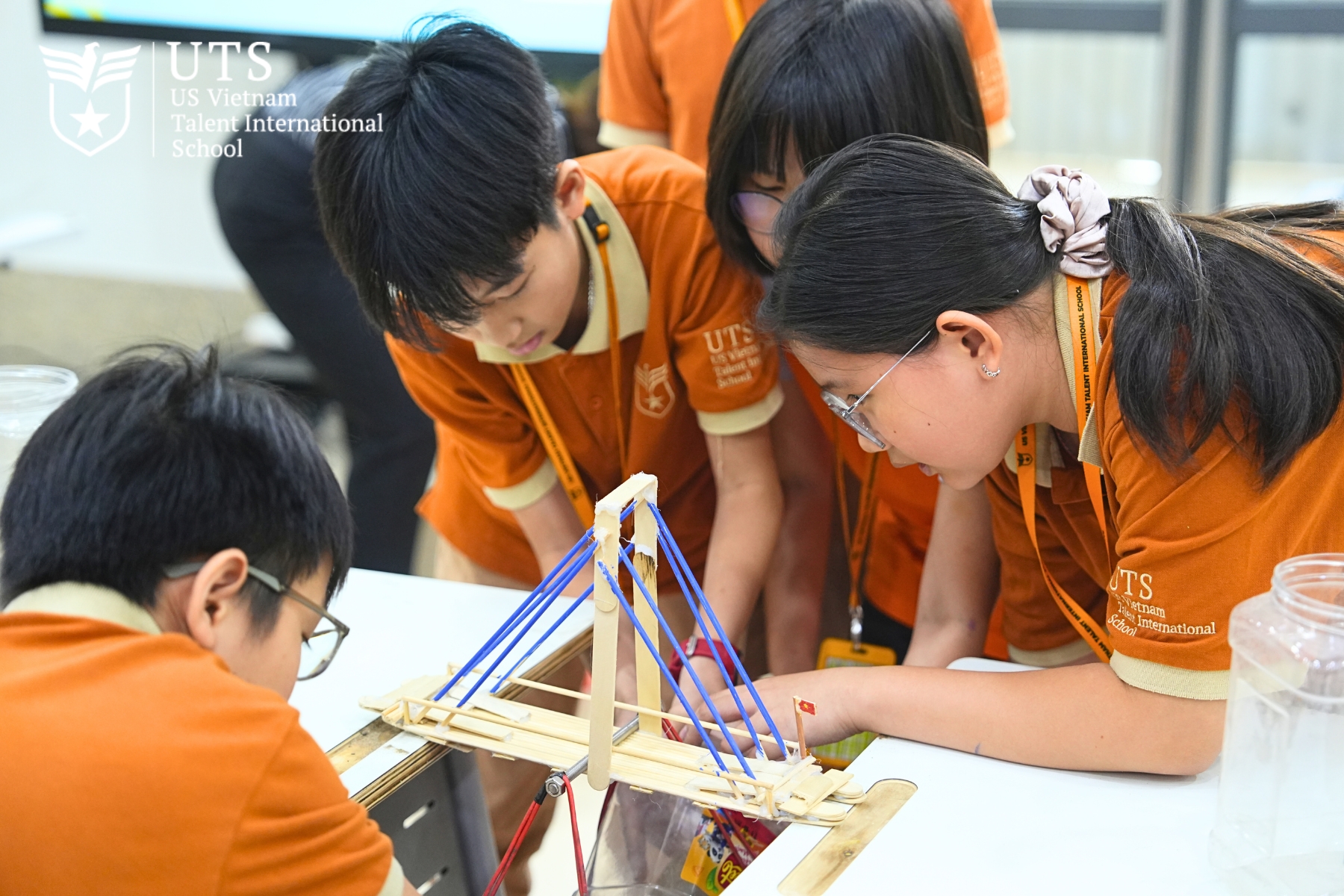
Learning projects at UTS help students develop teamwork and problem-solving skills
Equipping students for the future
Exposure to international programmes and a modern learning environment gives students more advantages in their future academic and career journeys. UTS-ers are equipped with the foundation to integrate confidently and access learning opportunities across different education systems around the world.

Career orientation workshops for UTS students
Admissions information at UTS Van Lang Complex, formerly in Binh Thanh District
UTS offers admissions across multiple grade levels with diverse learning pathways that suit the needs and orientations of different families. The school accompanies parents throughout the process of inquiry, consultation, and enrolment.
Admission age groups and entry requirements
UTS welcomes students across multiple levels, from Preschool to Upper Secondary, with bilingual and international learning pathways. Depending on the programme, students may take an entrance assessment to ensure their readiness and suitability for the school’s learning environment.
Admissions process
The school’s admissions team is always ready to provide programme consultation, guide families through the application documents, and support them throughout the enrolment process. Parents and students from Preschool to Upper Secondary can follow the admissions process provided in the link below.
Learn more: Detailed admissions process at UTS
Tuition and other fees
Tuition fees at UTS are structured according to the academic programme, facilities, and international learning experiences that students can access. In addition to regular tuition, parents can also refer to other fees related to services, learning activities, and school facilities.
Learn more: Tuition fees and fee policy
Scholarship and financial support policies
UTS offers various scholarship programmes and support policies to help students access a high-quality international education environment. Specific incentives may be applied depending on each admissions period and academic programme.
How to apply for admission to UTS Van Lang Campus, formerly in Binh Thanh District
UTS has developed a clear and convenient admissions process to help parents easily register their children for enrolment. The admissions team is always ready to accompany families, provide consultation, and answer questions throughout the process of learning about the school’s programmes.
Application steps and admissions process
Parents can register for consultation and submit their child’s application online or directly at the school. After receiving the information, the admissions team will provide detailed guidance on the entrance assessment process, enrolment timeline, tuition fees, and available incentives at each period.
Conclusion
With a convenient location in Binh Thanh, well-structured international and bilingual programmes, modern facilities, and a highly qualified teaching team, UTS International School of South America offers a holistic learning environment for students. It is a suitable choice for parents who want their children to develop academic competence, essential skills, a global mindset, and the confidence to be ready for future opportunities.
To learn more, receive consultation, or visit UTS Van Lang Campus in the Binh Thanh area, parents are warmly invited to access HERE or contact the hotline at (028) 710 78887.
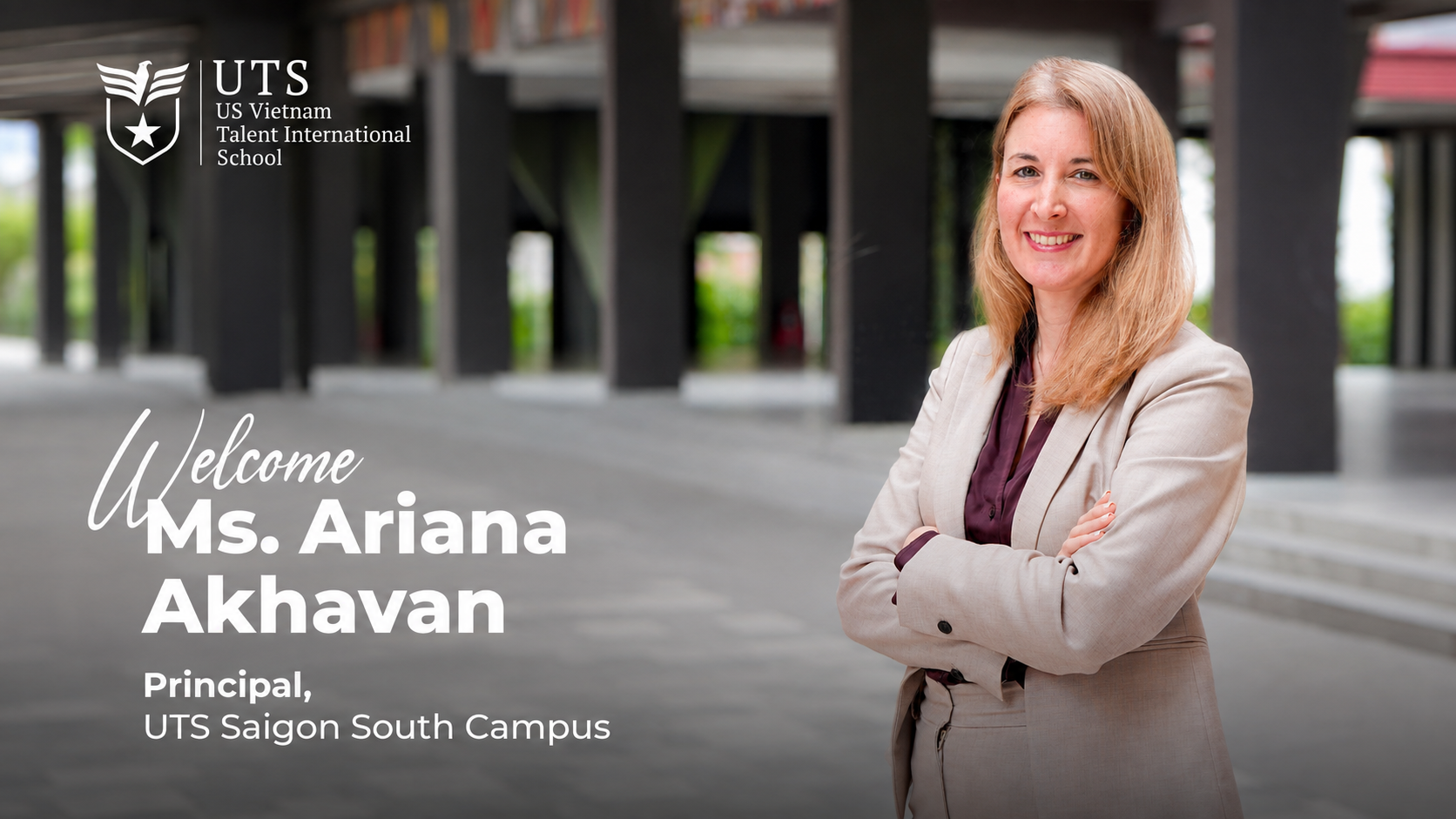
Welcoming Ms. Ariana Akhavan – Principal of UTS Saigon South Campus
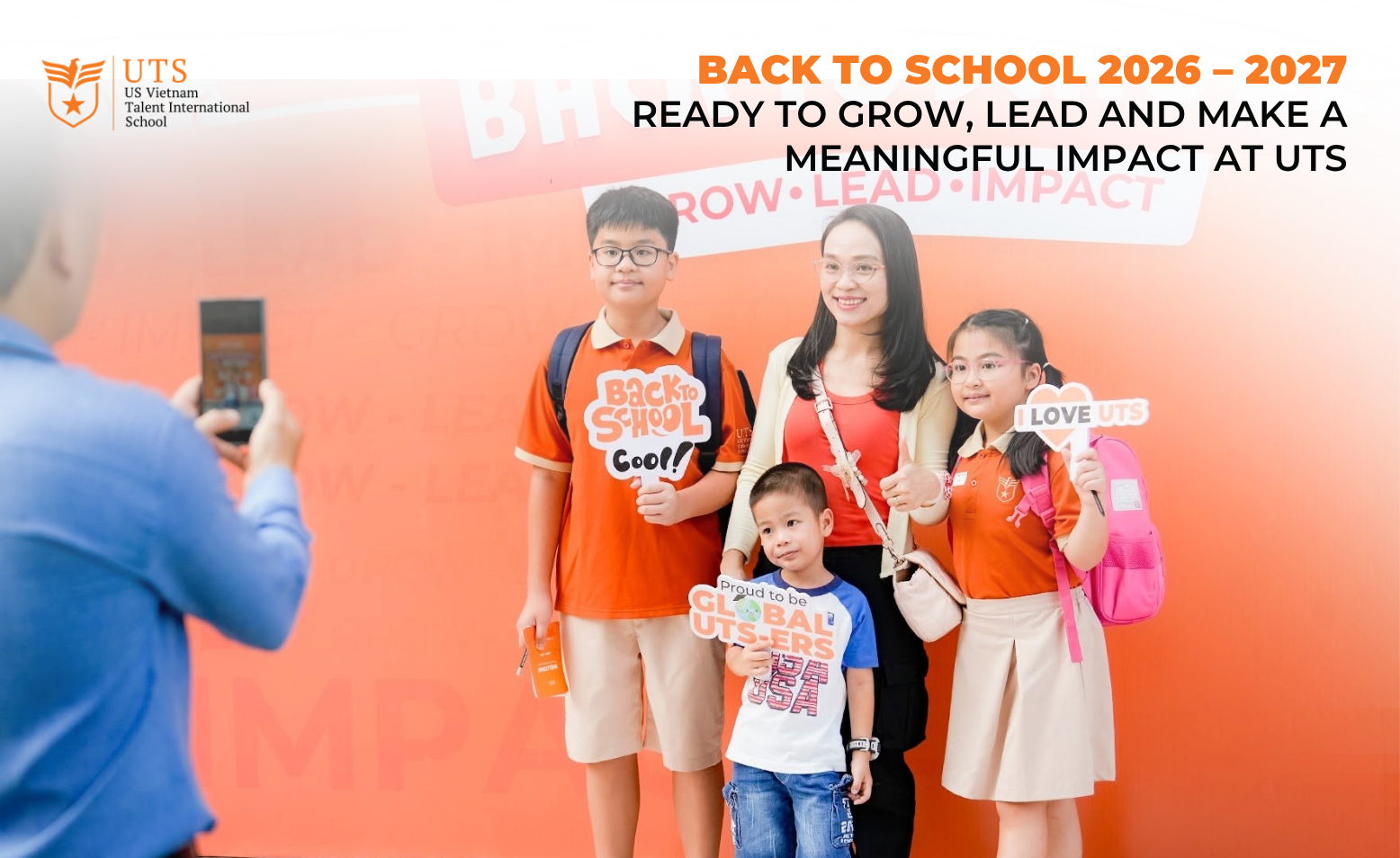
Back to School 2026 – 2027: Ready to Grow, Lead and Make a Meaningful Impact at UTS
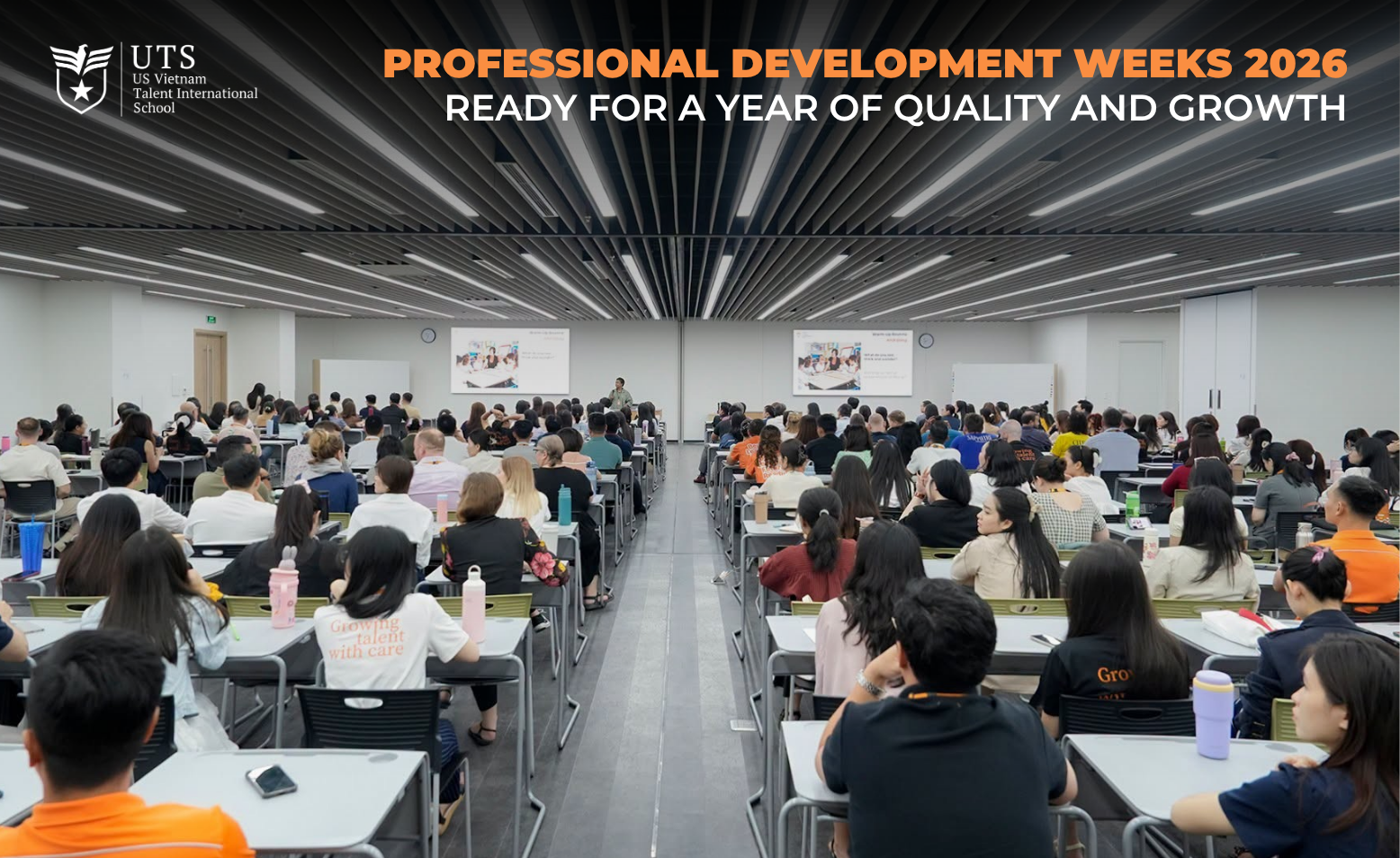
Professional Development Weeks 2026: Ready for a year of quality and growth
UTS One – The one parent portal for UTS