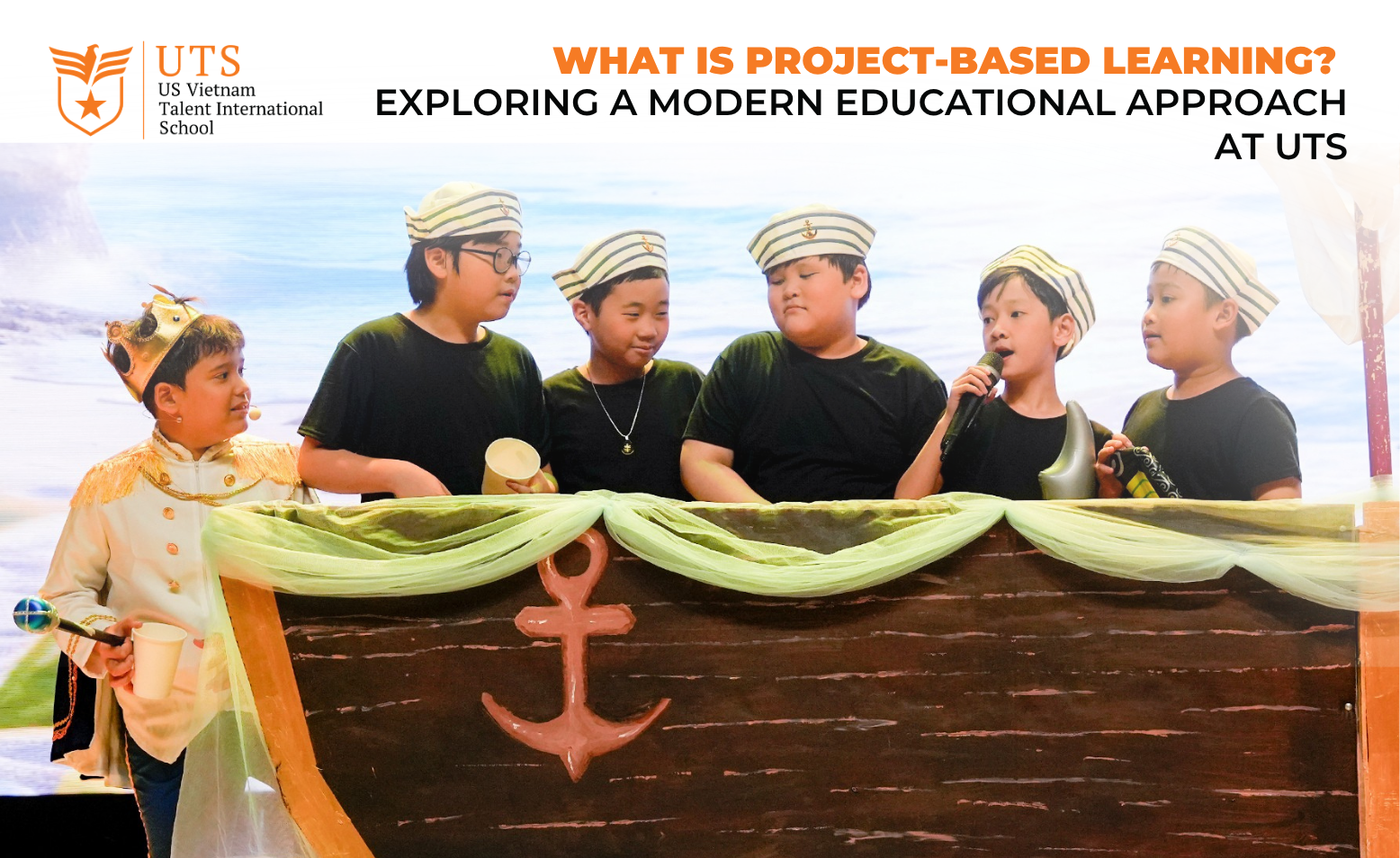
The Journey To Children’s Inner Garden Through Each Brushstroke
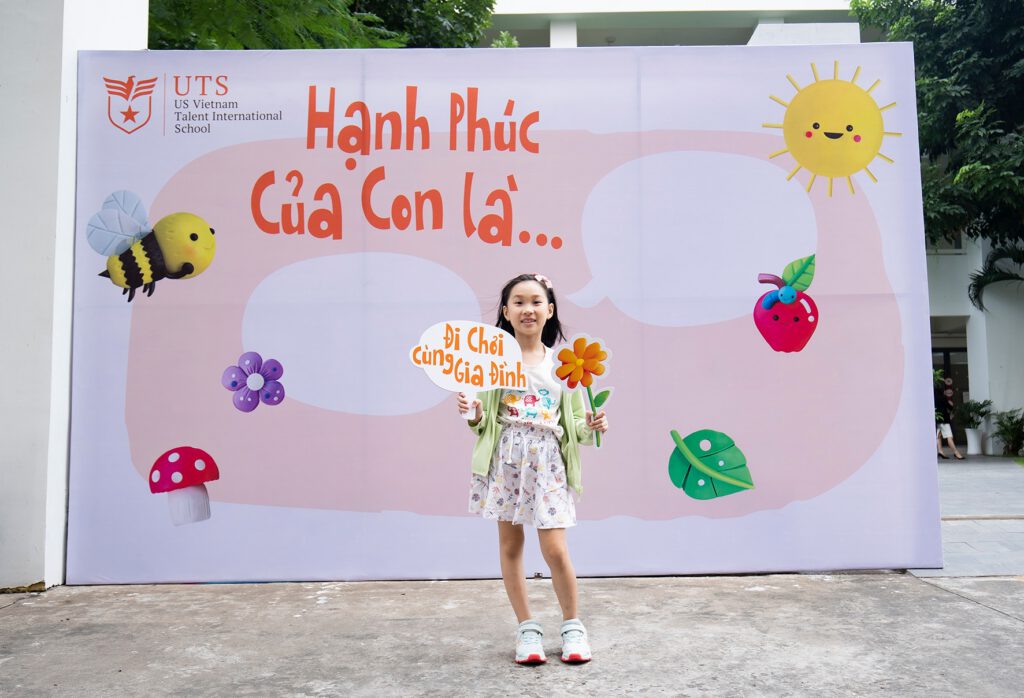
“My happiness is blue featuring the color of the sky, the sea, and my favorite color!”
“My happiness is when eating my mom’s dishes!”
The happiness of the children, although a little naive, these simple things are the motivation for future talents to achieve the growth eventually. Today, UTS Botanique Campus has investigated more gripping dreams from children.
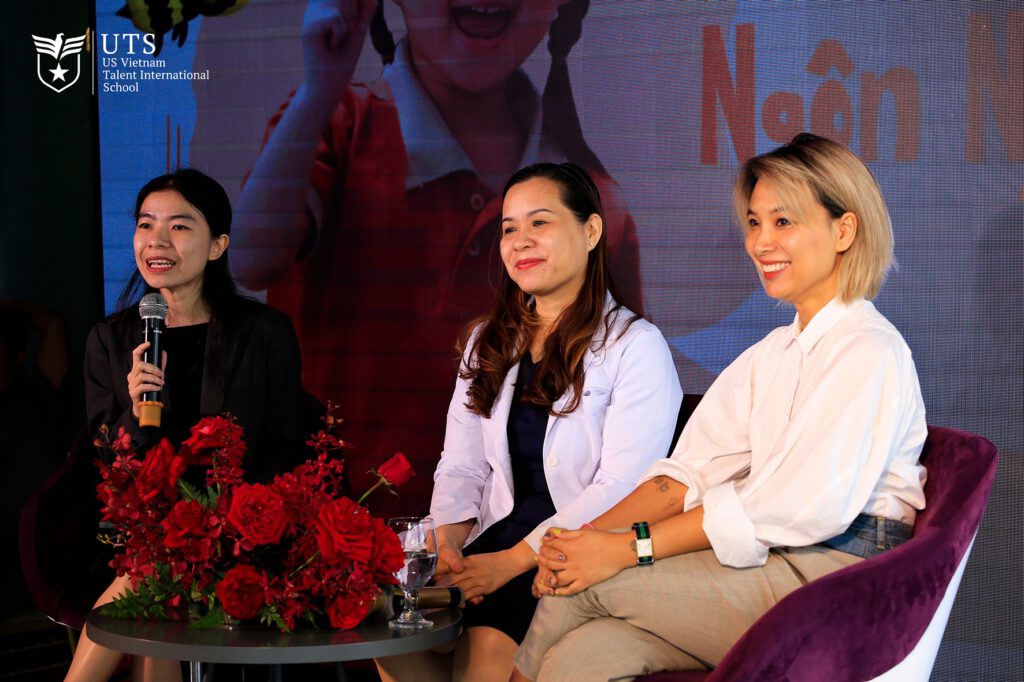
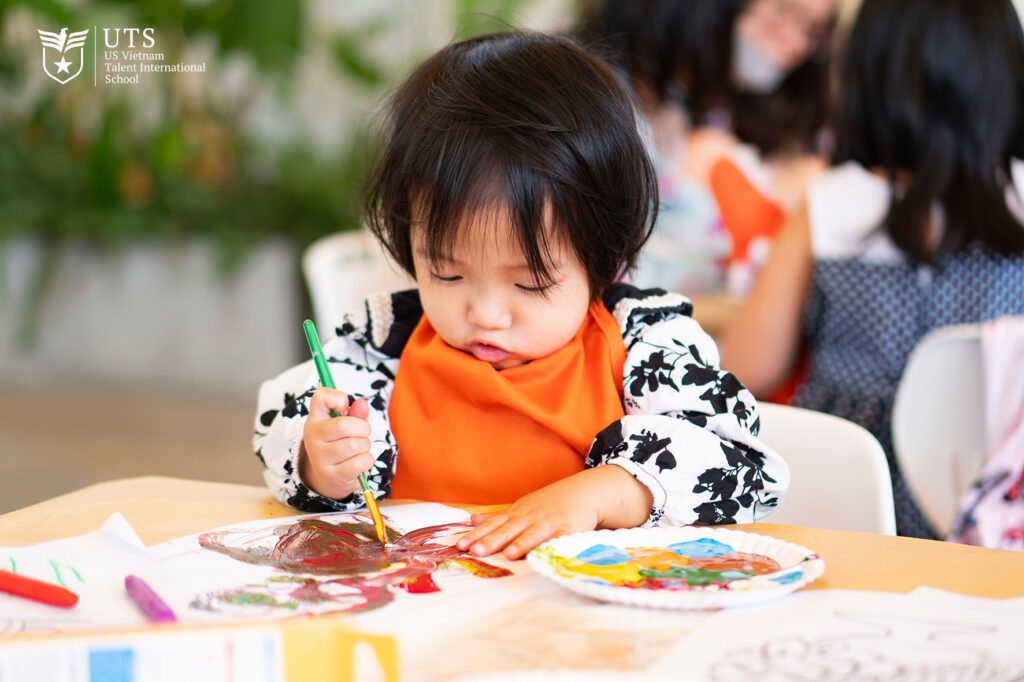
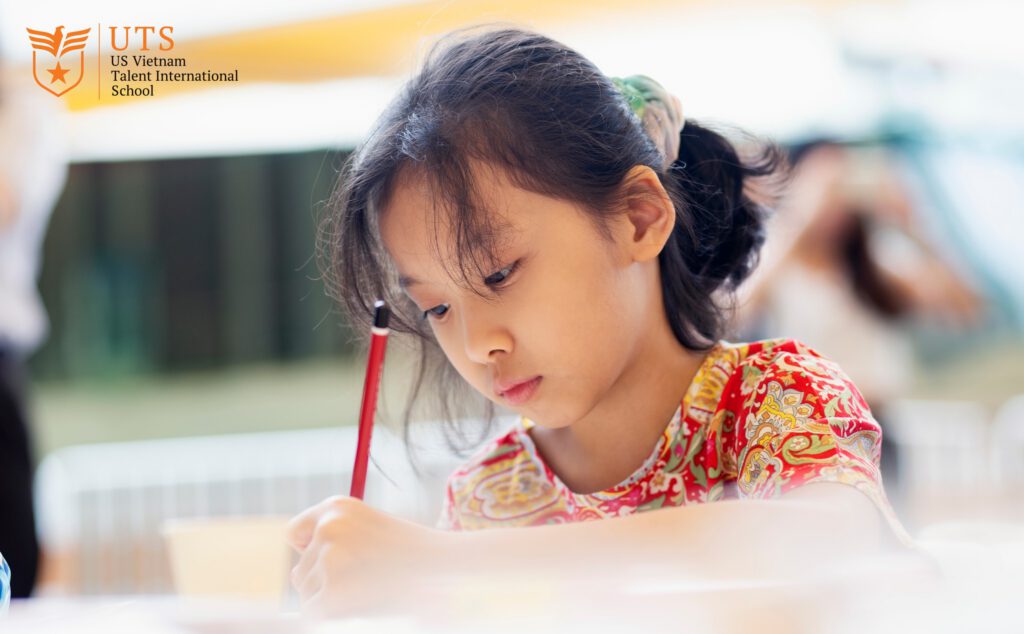
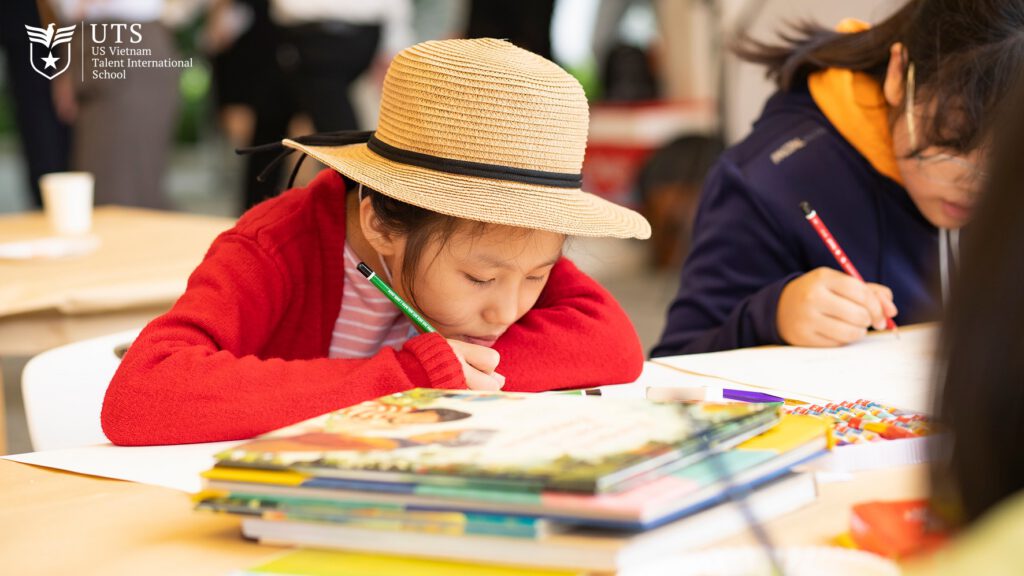
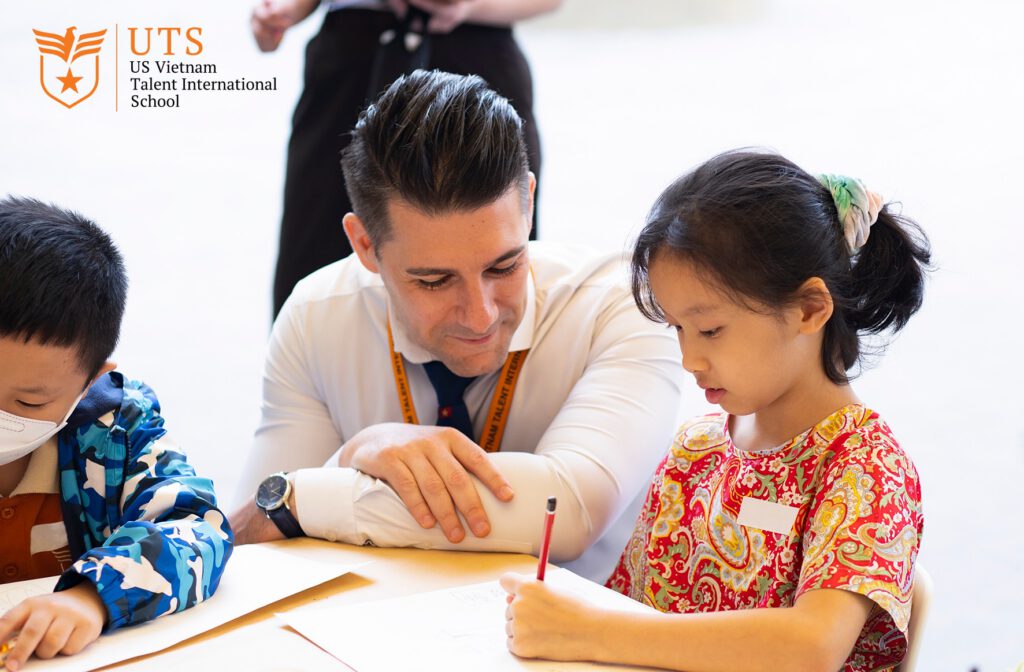
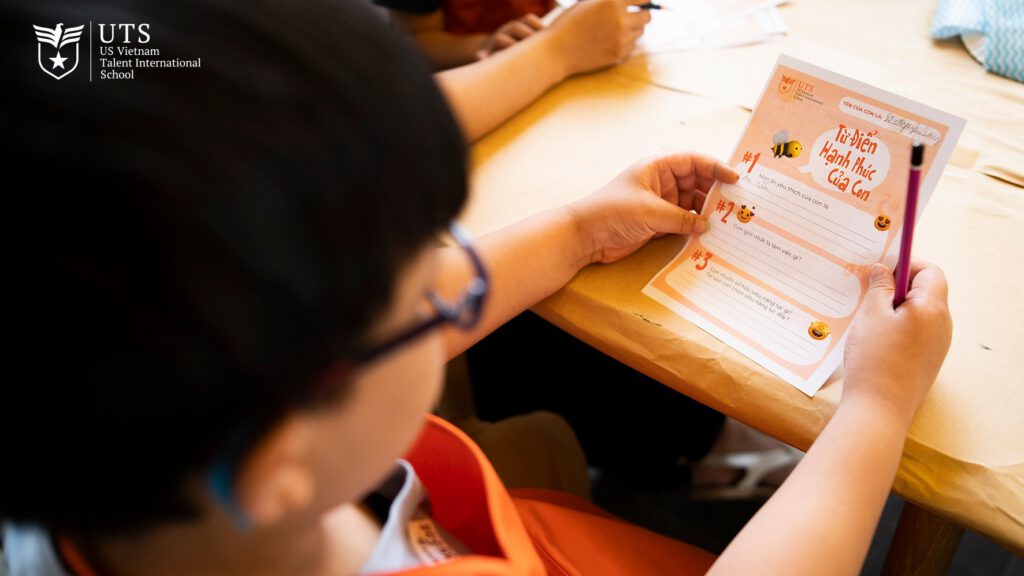
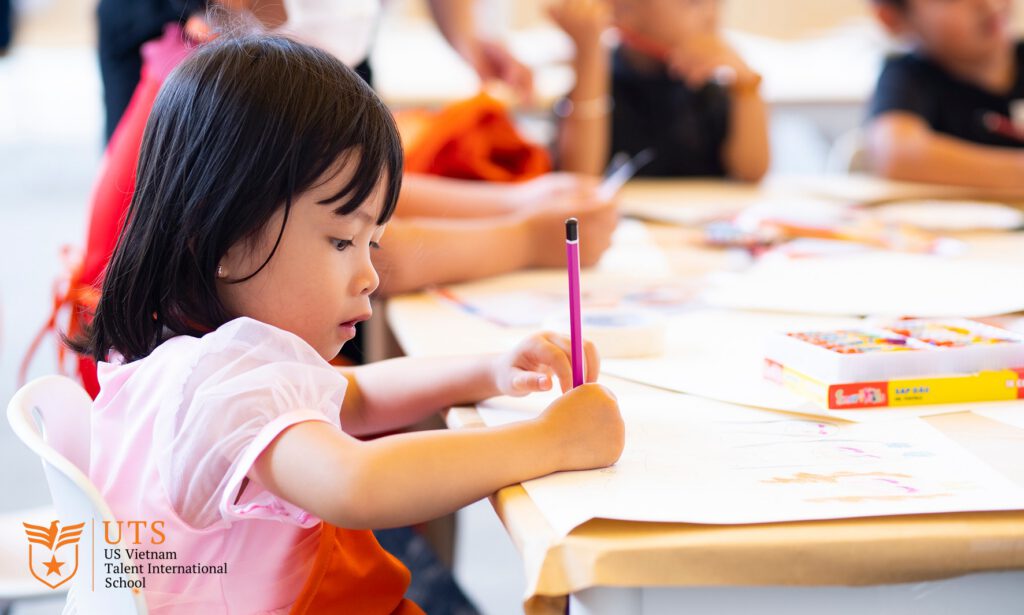
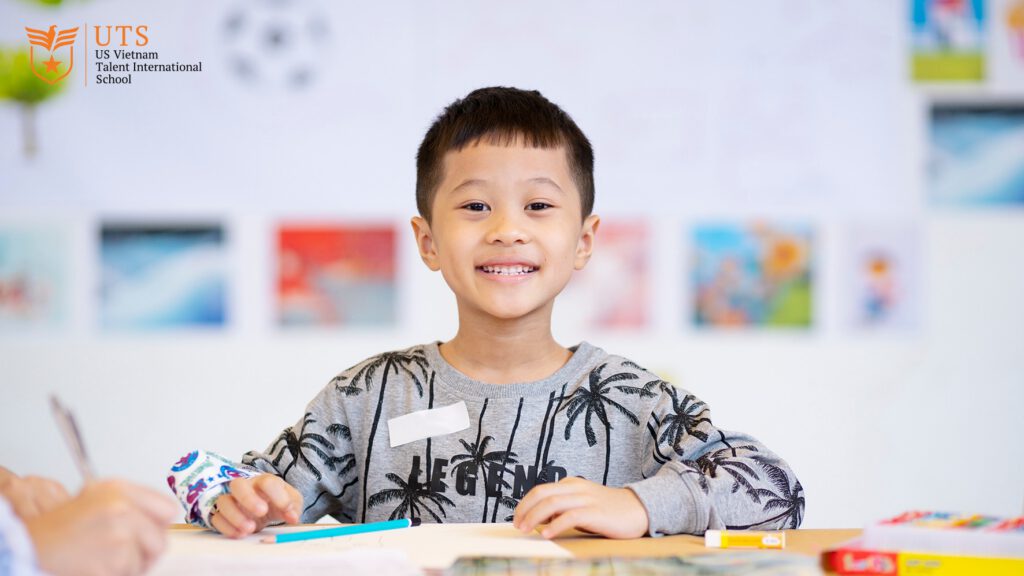
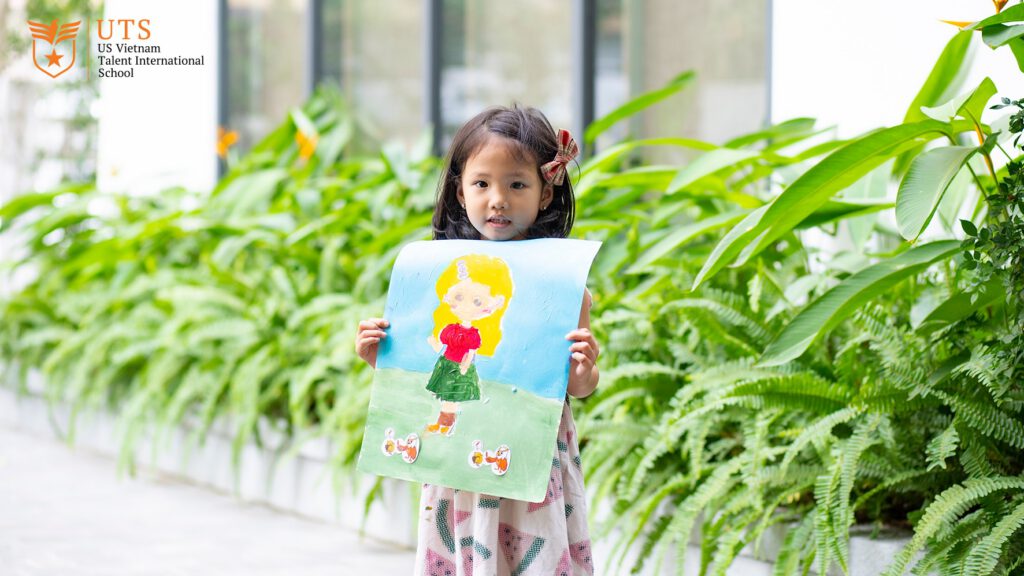
Yesterday, parents and students had a wonderful time at “Wellbeing Day: Your happy languages”. The students acted as the “little artists” and immersed into the art space and together painted a meaningful drawing. Along with that, parents have explored more about Wellbeing and “pocketed” different methods to help children be happier in their lives.
UTS believes that at the Botanique Campus “garden”, children with their families have grasped thoroughly “the happy languages” and had a great experience this weekend.
Let’s capture today’s wonderful moments!
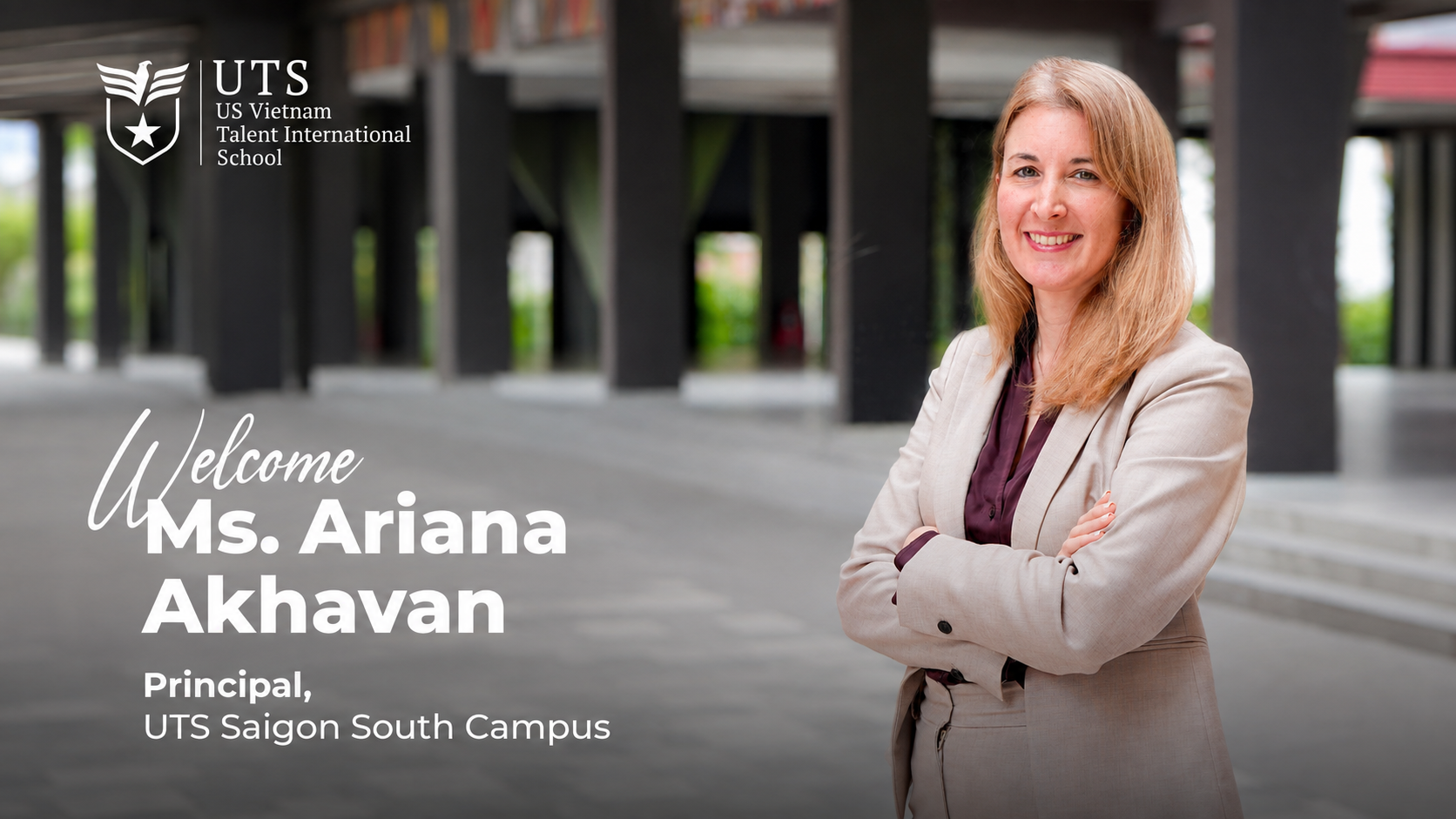
Welcoming Ms. Ariana Akhavan – Principal of UTS Saigon South Campus
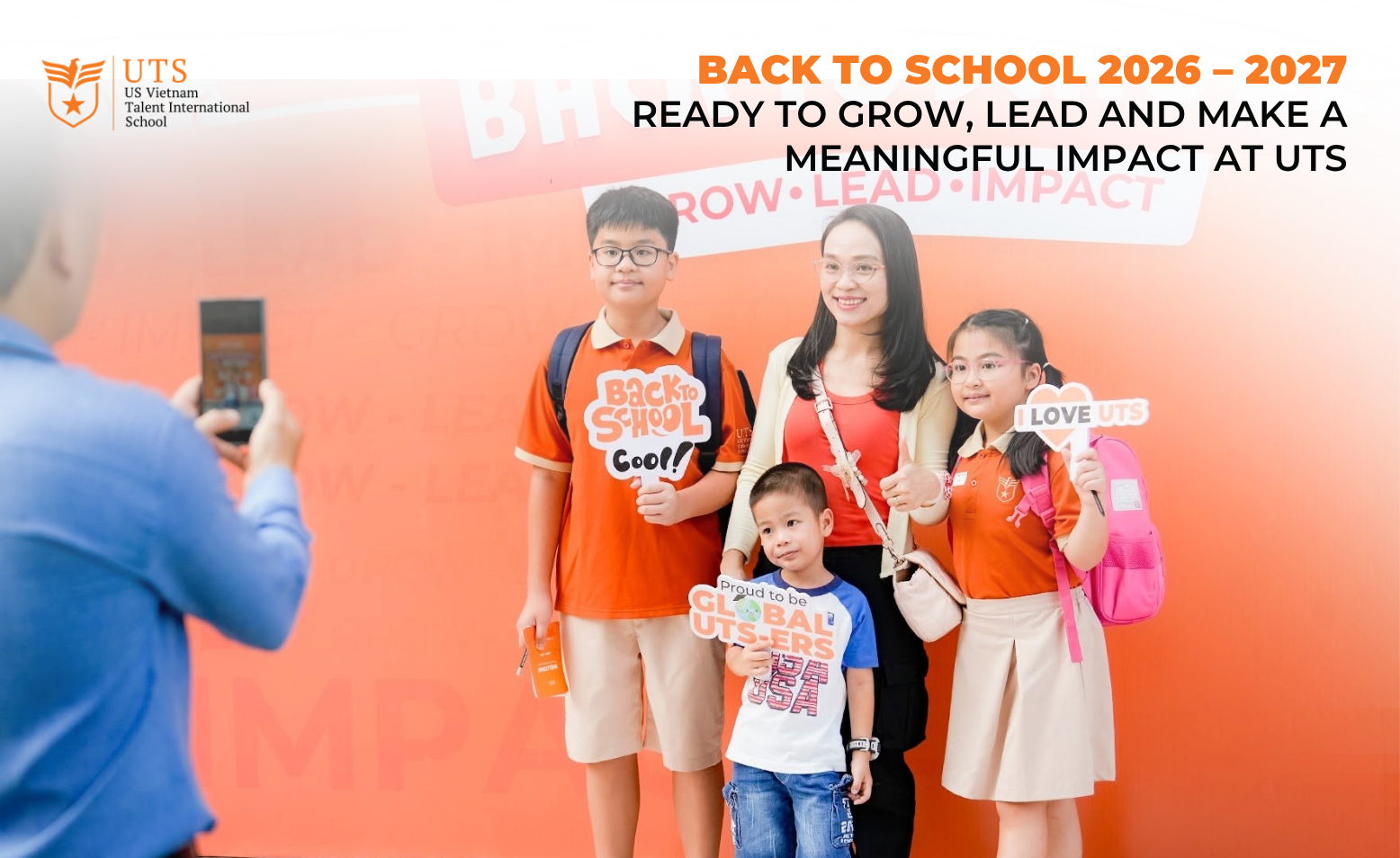
Back to School 2026 – 2027: Ready to Grow, Lead and Make a Meaningful Impact at UTS
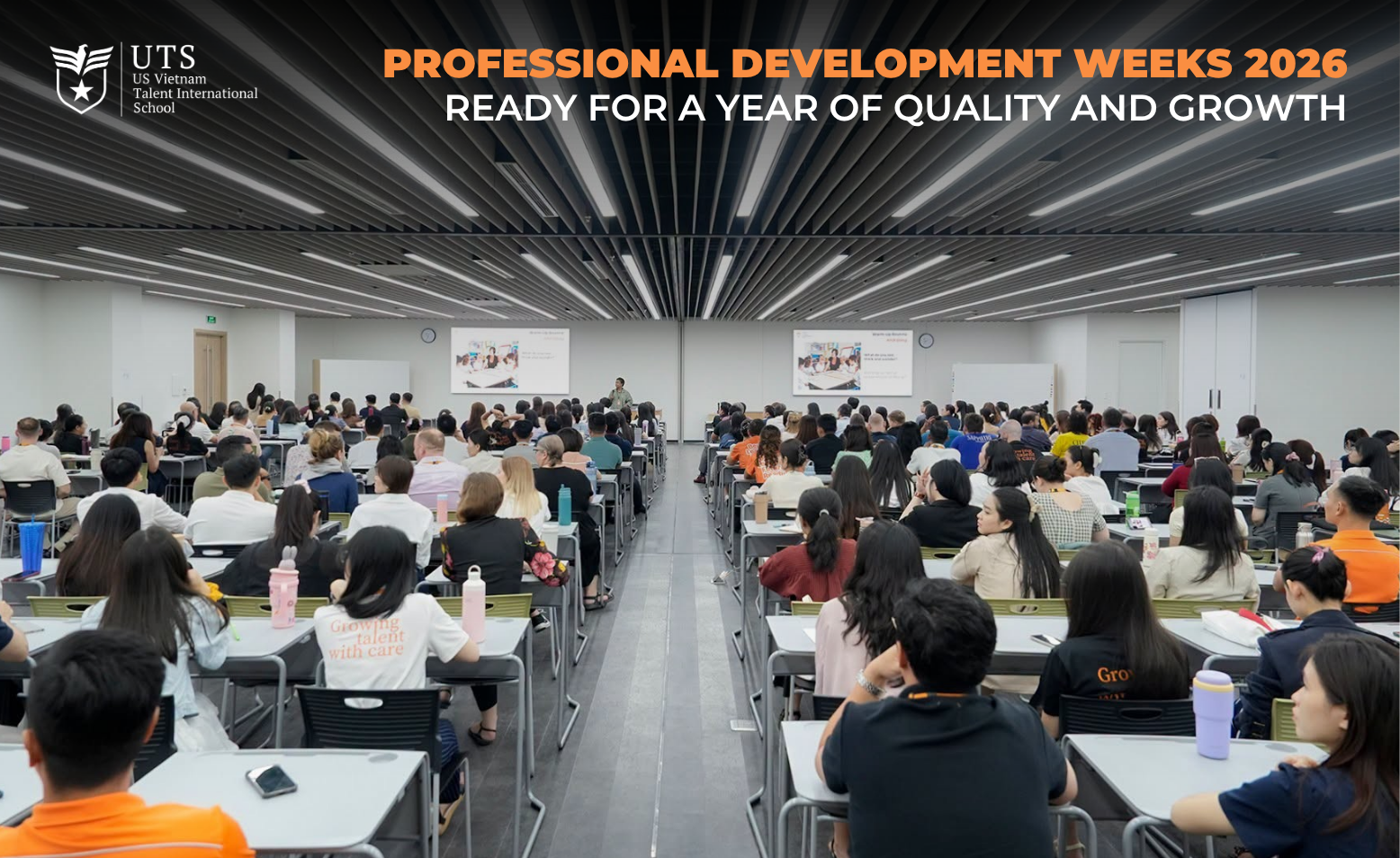
Professional Development Weeks 2026: Ready for a year of quality and growth
UTS One – The one parent portal for UTS