A summary of common primary teaching methods used in international schools today
Primary education plays an important role in developing children’s foundational skills, especially as they begin Grade 1. It lays the groundwork for their future learning journey. This article introduces parents to common primary teaching methods, including visual learning, active learning, personalised learning, and technology-integrated teaching.
Common Primary Teaching Methods Used Today
Visual Learning Method:
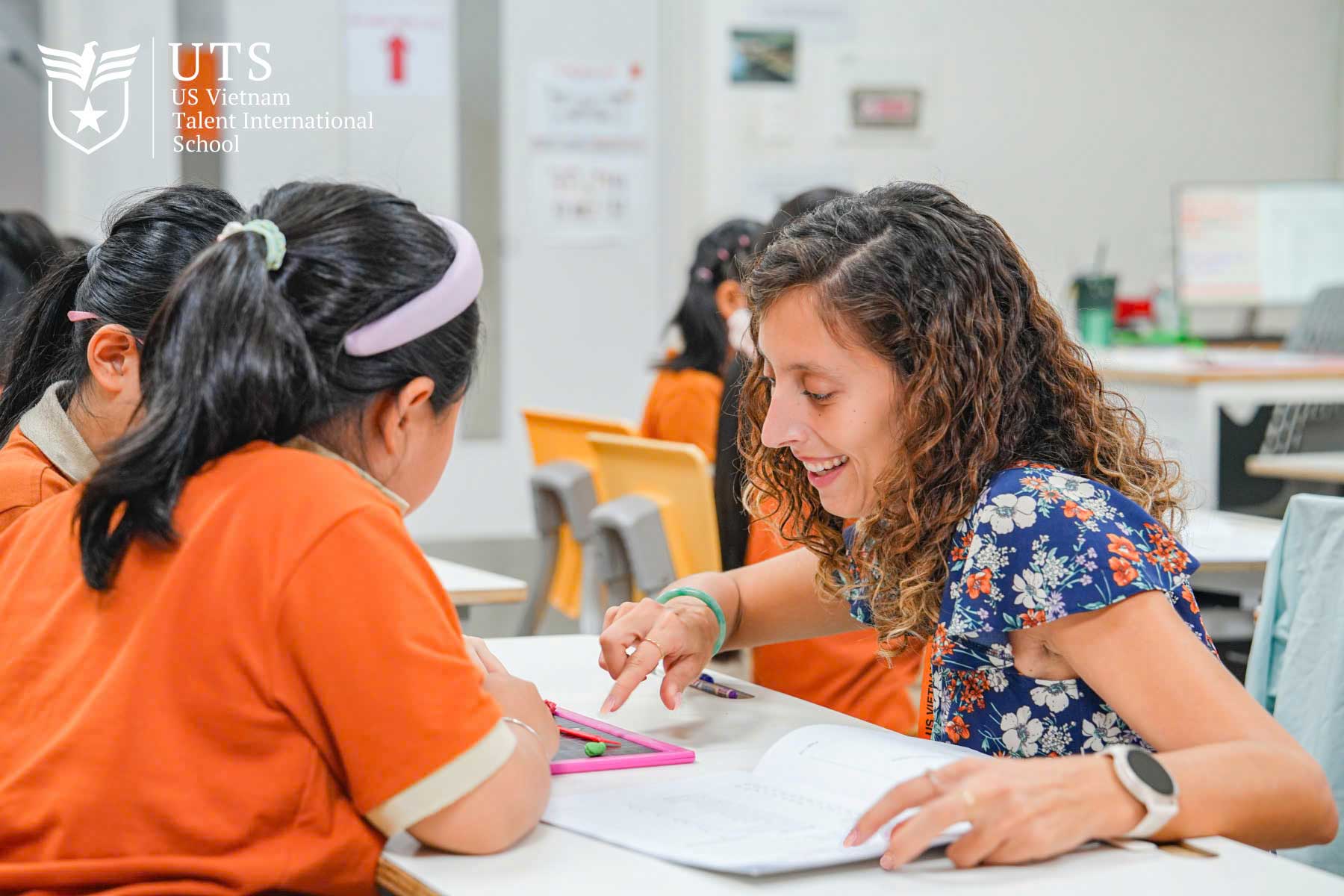
Learning through objects and images at UTS
Visual learning helps children absorb knowledge in a more engaging and accessible way through the use of images, objects, and visual models. These tools not only illustrate lesson content but also stimulate children’s imagination and memory. In addition, hands-on activities allow children to experience, observe, and apply knowledge in real-life contexts, thereby improving learning effectiveness.
Active Learning Method:
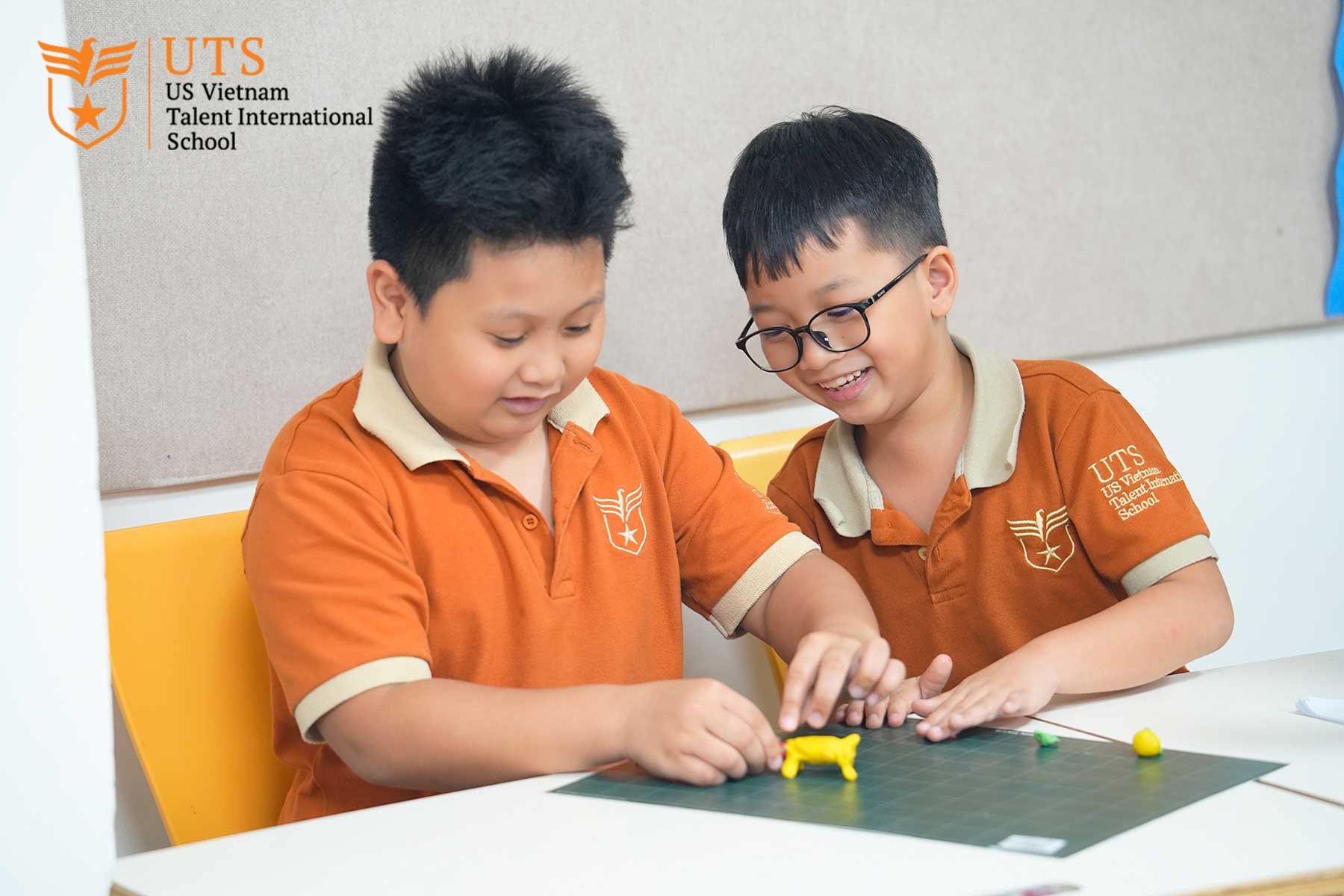
Positive and joyful learning experiences at UTS
Active learning encourages children to participate actively in the learning process through different approaches:
-
Group work and discussions help children develop communication, critical thinking, and teamwork skills.
-
Project-based and inquiry-based learning provides opportunities for children to research, explore, and apply knowledge in practice, thereby developing creativity and problem-solving skills.
-
Role-play activities allow children to engage with real-life situations, enhancing empathy and flexible thinking
Personalised Learning Method:
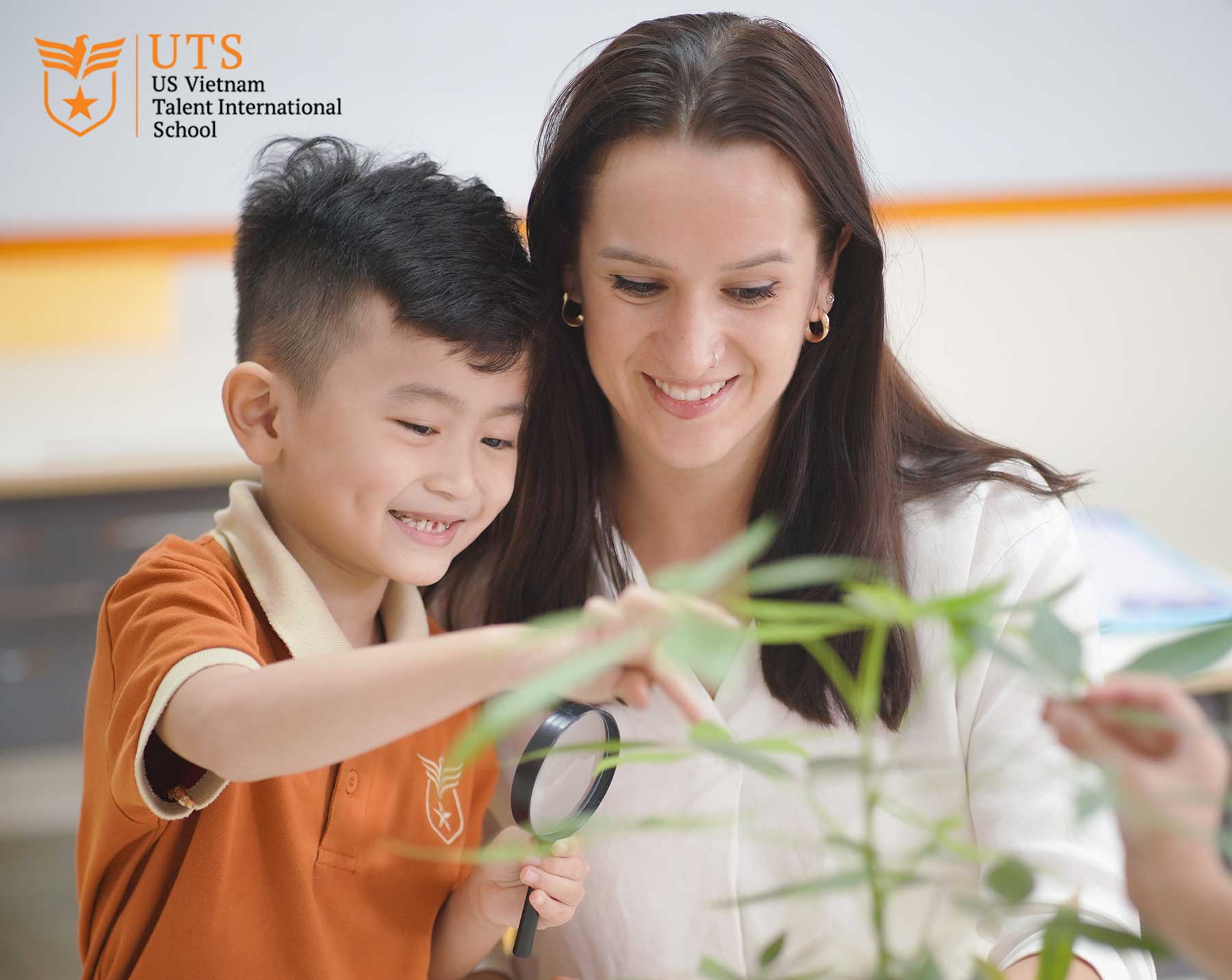
Children are cared for and supported at UTS
Personalised learning focuses on adapting lessons to match each child’s abilities, interests, and needs. Teachers design flexible content and activities that help children maximise their strengths and improve areas for growth. This method also creates opportunities for children to learn independently and explore knowledge at their own pace, fostering self-directed learning and lifelong learning habits.
Technology-Integrated Teaching Method:
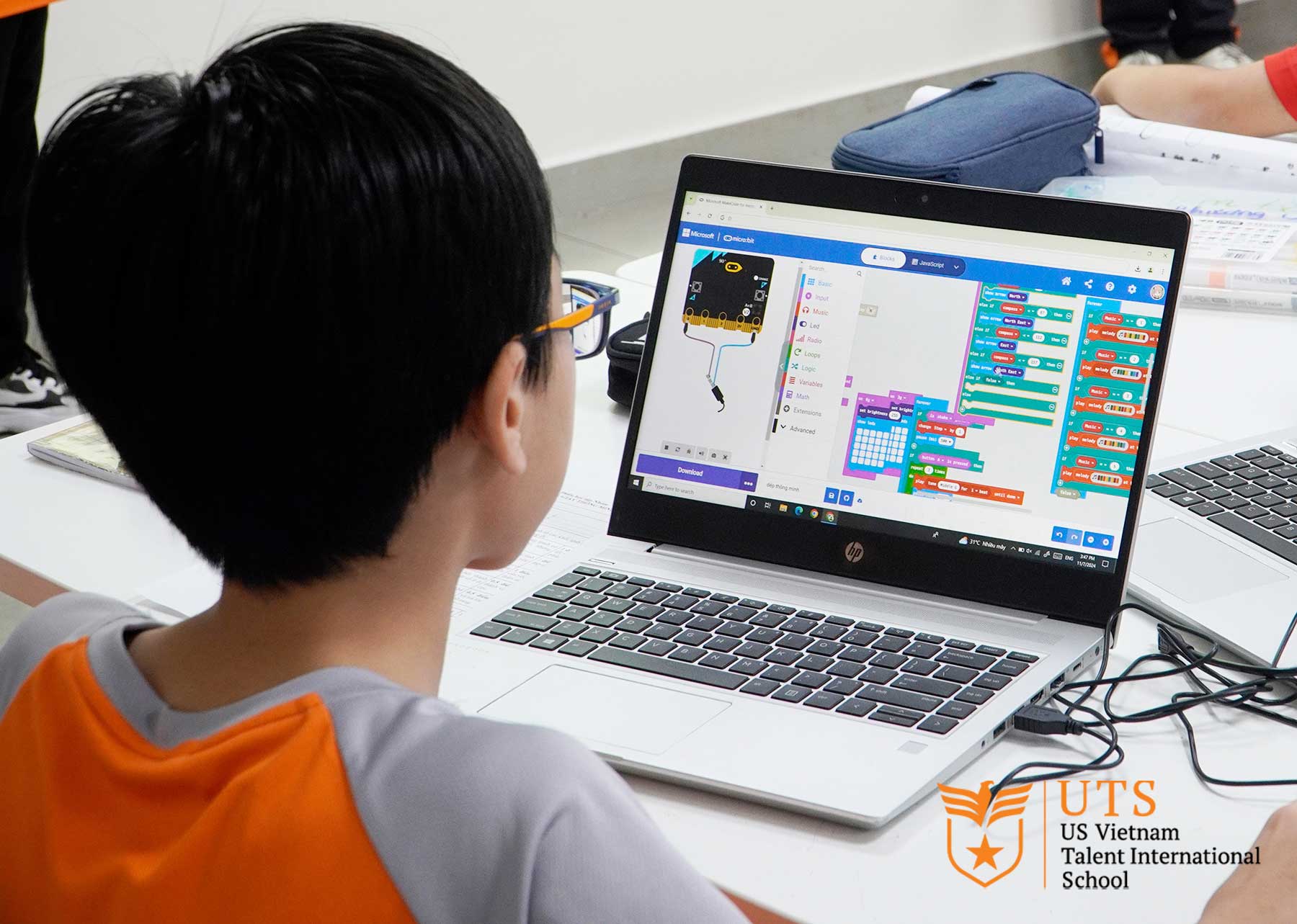
Progressive learning with technology integration at UTS
Technology-integrated teaching makes use of learning software and applications to enhance teaching effectiveness and help children access knowledge in a more visual and engaging way. Integrating technology into lessons not only makes learning content more attractive but also allows children to interact, practise, and learn independently with greater flexibility. As a result, children can develop creative thinking, digital skills, and independent learning abilities, meeting the demands of modern education in the digital age.
The Importance of Teaching Methods in Primary Education
Psychological and developmental characteristics of primary students:
At primary school age, the effective integration of teaching methods brings many learning benefits to children:
-
Children can absorb information quickly but still have limited abstract thinking skills, so visual and engaging teaching methods help them understand lessons more easily.
-
Each child has different interests and motivations, so applying diverse teaching methods helps stimulate curiosity and maintain learning motivation.
-
Every child has a different learning style. Depending on each child’s strengths, teachers can identify whether they learn more effectively through visual materials, listening, or hands-on activities.
Therefore, flexibility in teaching is essential to meet diverse learning needs and support children’s holistic development.
The Role of Teaching Methods in Primary Students’ Development:
The combination of different teaching methods plays an important role in supporting children’s holistic development across many aspects:
-
Cognitive development: Using different learning methods, such as visual learning, hands-on practice, and discussion, helps children access knowledge in diverse ways. This supports their thinking skills, problem-solving abilities, and information retention.
-
Skills development: Diverse teaching methods, such as teamwork, experiments, and role-play, help children build essential skills including communication, collaboration, and situational problem-solving. This allows children to gain knowledge while also developing important life skills.
-
Social and emotional development: Combining different teaching methods helps children interact with friends, teachers, and classmates, thereby developing values such as friendship, respect, collaboration, and sharing. Children learn how to work in groups, listen to others, respect different opinions, and build healthy social relationships.
Therefore, teachers should combine multiple teaching methods to help children develop not only academically and skill-wise, but also socially and emotionally.
Factors That Affect the Effectiveness of Primary Teaching Methods
The Role of Teachers:
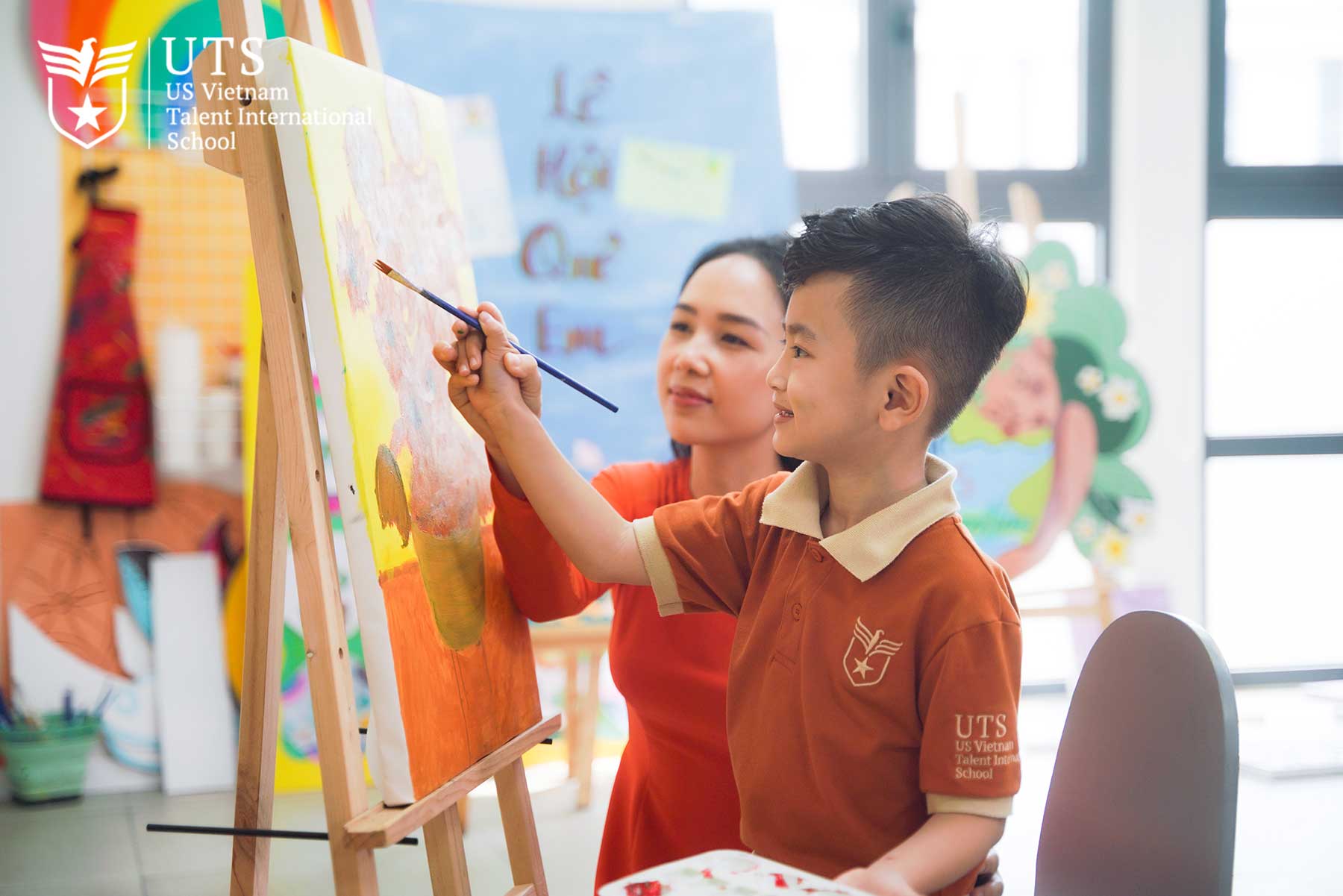
Dedicated teachers at UTS International School
Teachers play an essential role in the effectiveness of primary teaching methods:
-
Strong subject knowledge helps teachers deliver lessons accurately, clearly, and appropriately for students’ learning levels.
-
Pedagogical skills, such as classroom management, communication, and the ability to create a positive learning environment, help students participate actively and learn effectively.
-
Teachers’ attitude and passion for education are key factors in inspiring students, building strong relationships, and helping children enjoy learning and develop holistically.
Learning Environment:
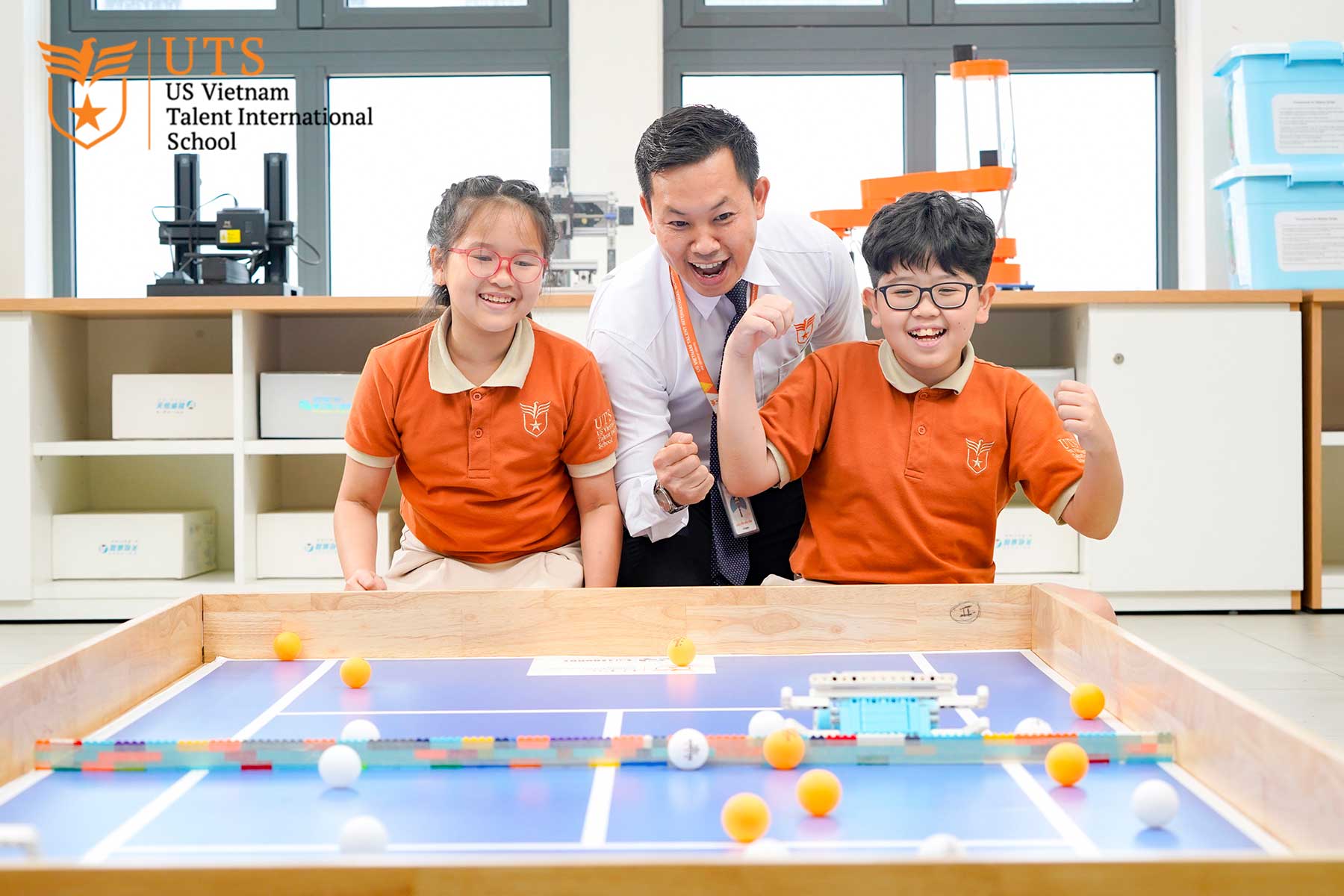
A positive and joyful learning environment at UTS International School
Môi trường học tập đóng vai trò quan trọng trong việc nâng cao hiệu quả của phương pháp dạy học ở tiểu học.
-
The learning environment plays an important role in enhancing the effectiveness of primary teaching methods.
-
Modern facilities, such as well-equipped classrooms, learning tools, and educational technology, help students access knowledge more easily and vividly. Spacious, airy, and well-organised learning spaces also create favourable conditions for students’ learning activities and development.
-
An open learning environment also has a strong impact on learning effectiveness. A friendly, supportive, and collaborative classroom helps students feel comfortable and confident, allowing them to absorb lessons more easily and develop social skills.
-
Relationships among classmates, and between students and teachers, are essential to creating a positive learning experience. When children learn in an environment filled with teachers’ care and friendship among classmates, they feel happier and more motivated to come to school.
Learn more: A Healthy and Positive Learning Environment at UTS
Lesson Content:
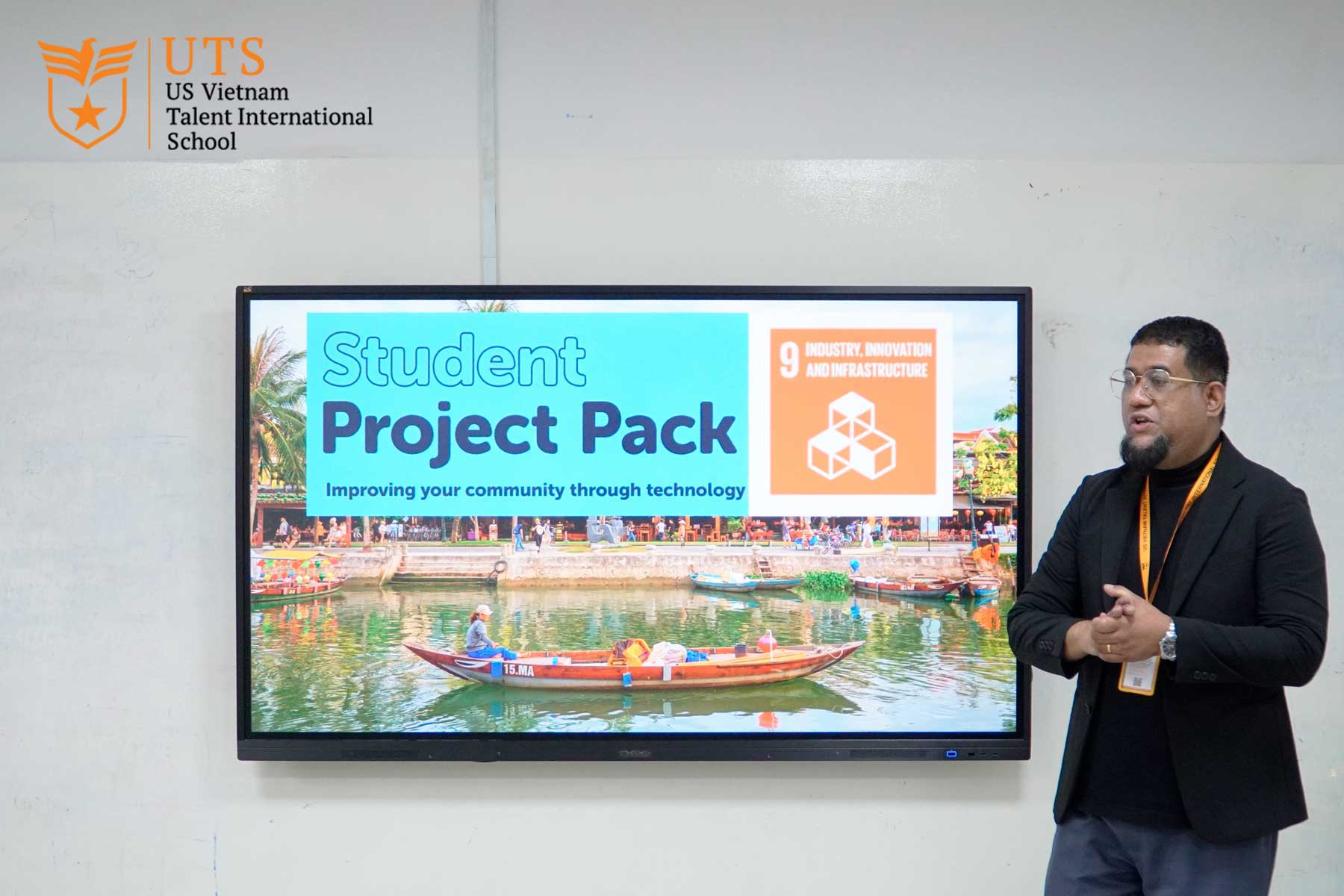
Unique and engaging lesson content at UTS International School
Another factor that influences the effectiveness of teaching methods is lesson content, specifically:
-
Teaching methods must align with children’s psychological characteristics and learning abilities. Children at this age enjoy exploring and learning through hands-on activities, so teaching approaches that meet their needs make learning more enjoyable.
-
Creativity and engagement in lessons are important factors in capturing students’ attention. Creative activities, learning games, and innovative teaching methods help children feel excited and motivated, thereby improving learning outcomes
Integrated Teaching Methods at UTS
Teaching Methods Applied at UTS
-
Project-based learning: Children solve real-world problems by connecting knowledge across subjects, developing creative thinking and teamwork skills.
-
Global citizenship thinking: Children learn to understand and respect cultural diversity while developing the skills needed to address global issues.
-
Active teaching: Children are encouraged to take an active role in the learning process, strengthening their ability to apply knowledge in real-life situations.
-
Holistic assessment: Projects are assessed based on both knowledge and practical skills, helping children develop information-processing and problem-solving abilities.
Benefits of Teaching Methods at UTS International School:
These teaching methods not only help children acquire knowledge but also bring many outstanding benefits.
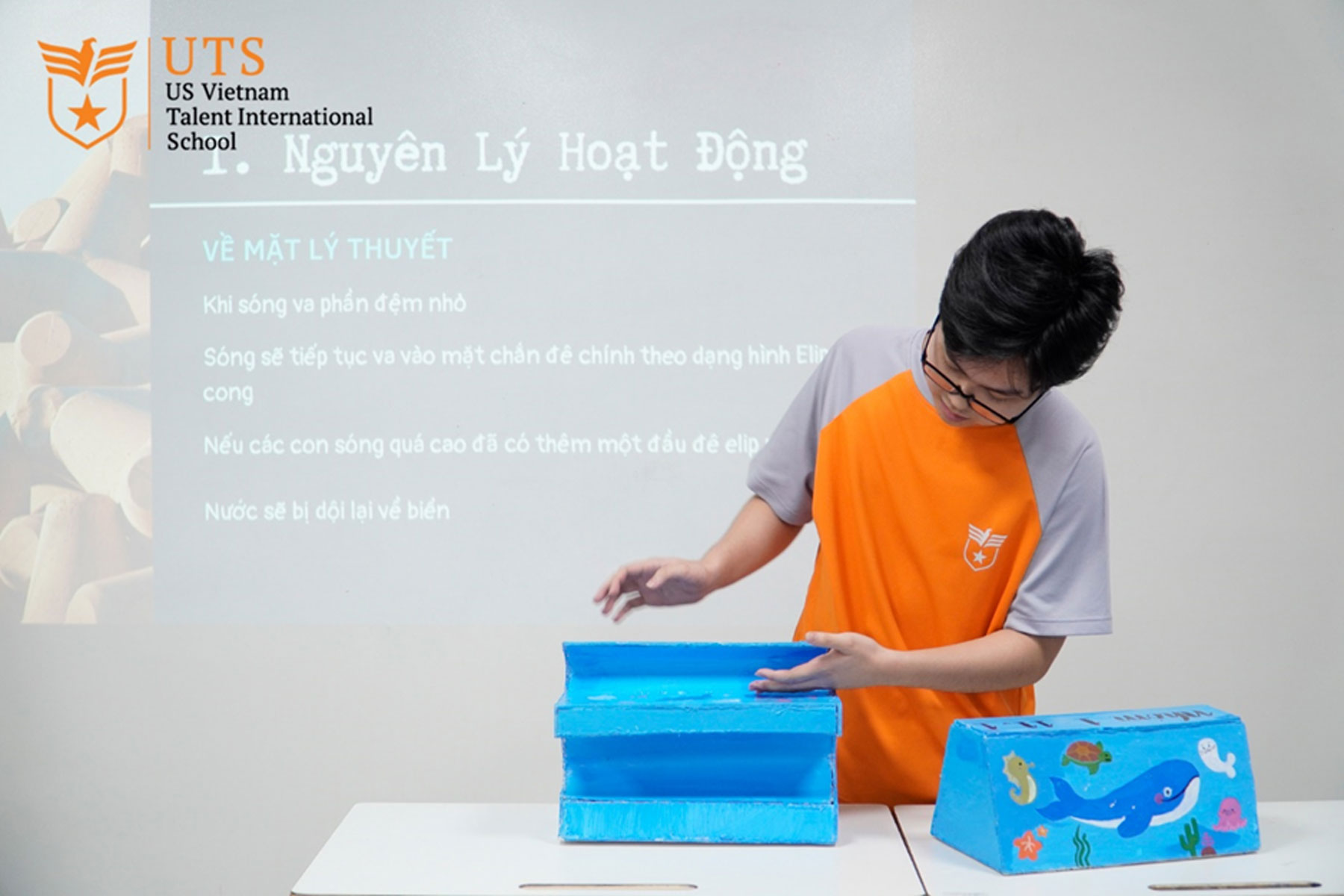
Interdisciplinary project presentation at UTS International School
Through the interdisciplinary project “Breakwater,” children reinforce knowledge in natural sciences, computer programming, and 3D modelling. In addition, the project requires teamwork throughout the idea development and model-building process, helping children communicate confidently and express their thoughts and opinions.
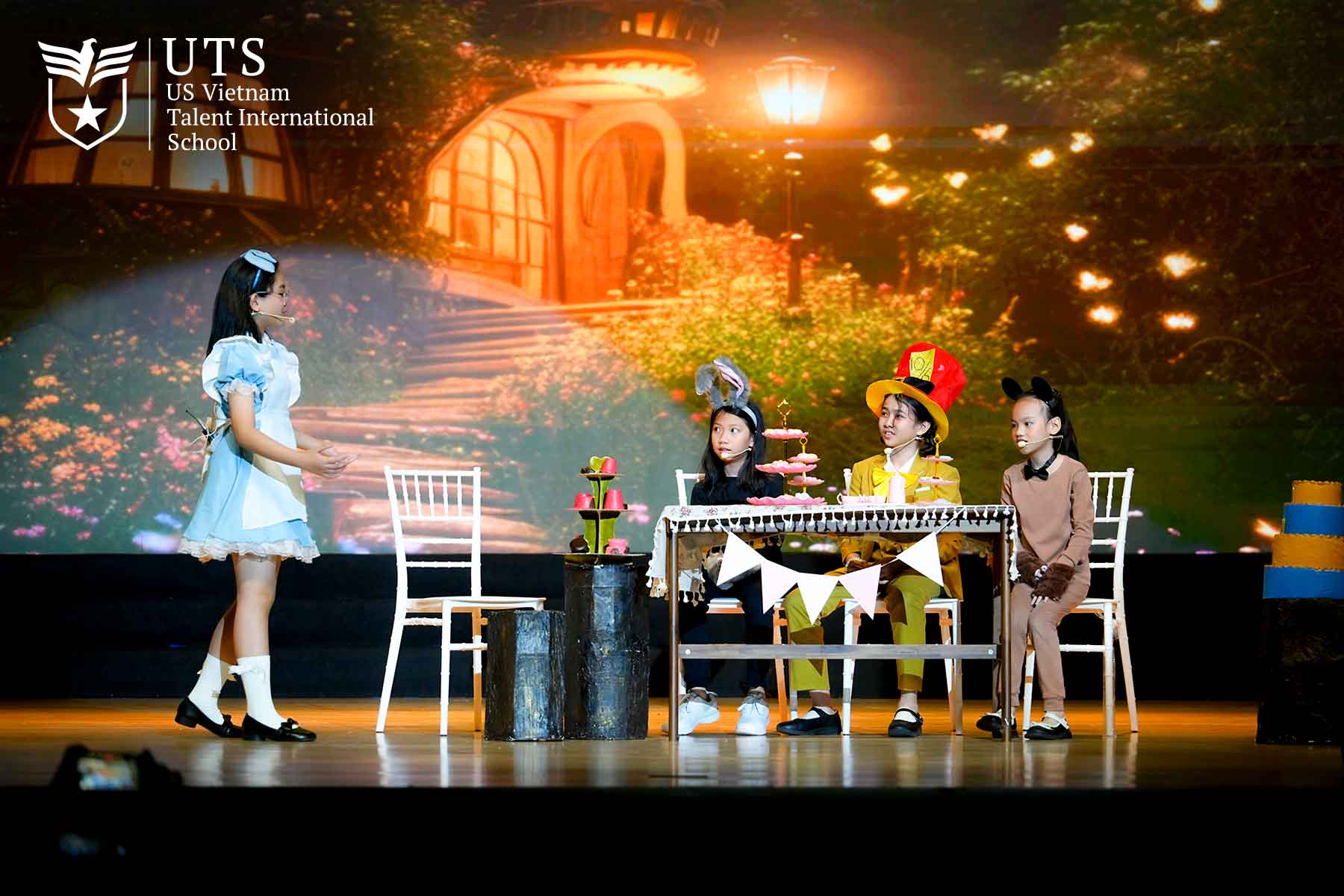
“Alice in Winter Wonderland” performance at UTS International School
Through club activities, children also have the opportunity to pursue their passions and interests. The performance “Alice in Winter Wonderland” gave students the chance to shine on stage while developing confidence and memory skills.
Extracurricular activities at UTS International School also give children opportunities to explore cultures from different countries around the world, such as through the Identity Fair. At the fair, children had the chance to connect with schoolmates across different classes and grade levels, as well as with international teachers at UTS.
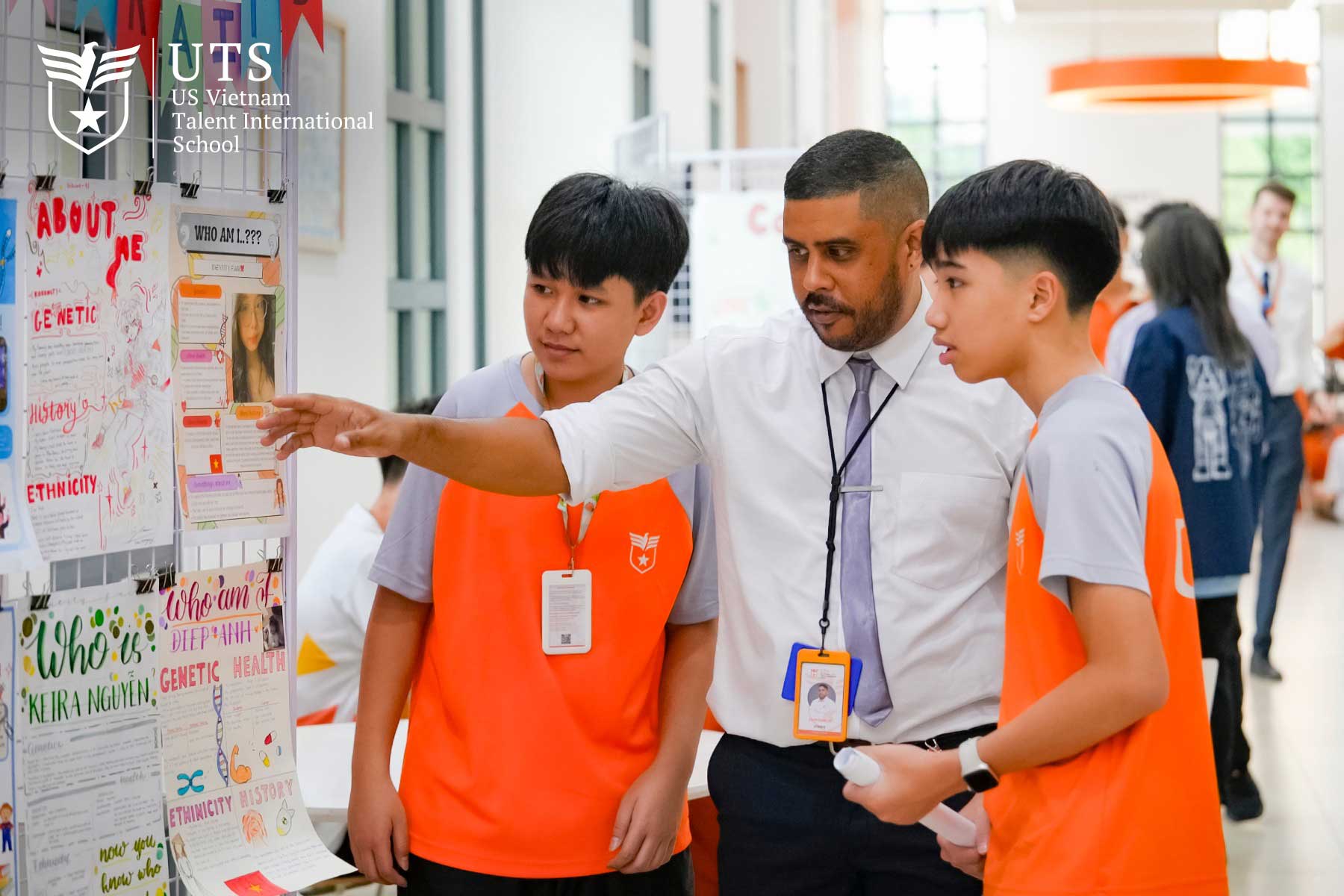
Identity Fair 2025 at UTS International School
Learn more: Academic Programmes and Teaching Methods at UTS International School
Conclusion
Applying diverse teaching methods in primary education is highly important, as it helps children develop holistically in both knowledge and skills. A positive and effective learning environment encourages children to absorb knowledge and solve problems creatively.
Today, parents are increasingly interested in choosing internationally aligned primary education approaches to provide their children with the best learning opportunities.
UTS International School warmly invites parents to explore our British and American international learning pathways HERE or contact our hotline at 028 7107 8887
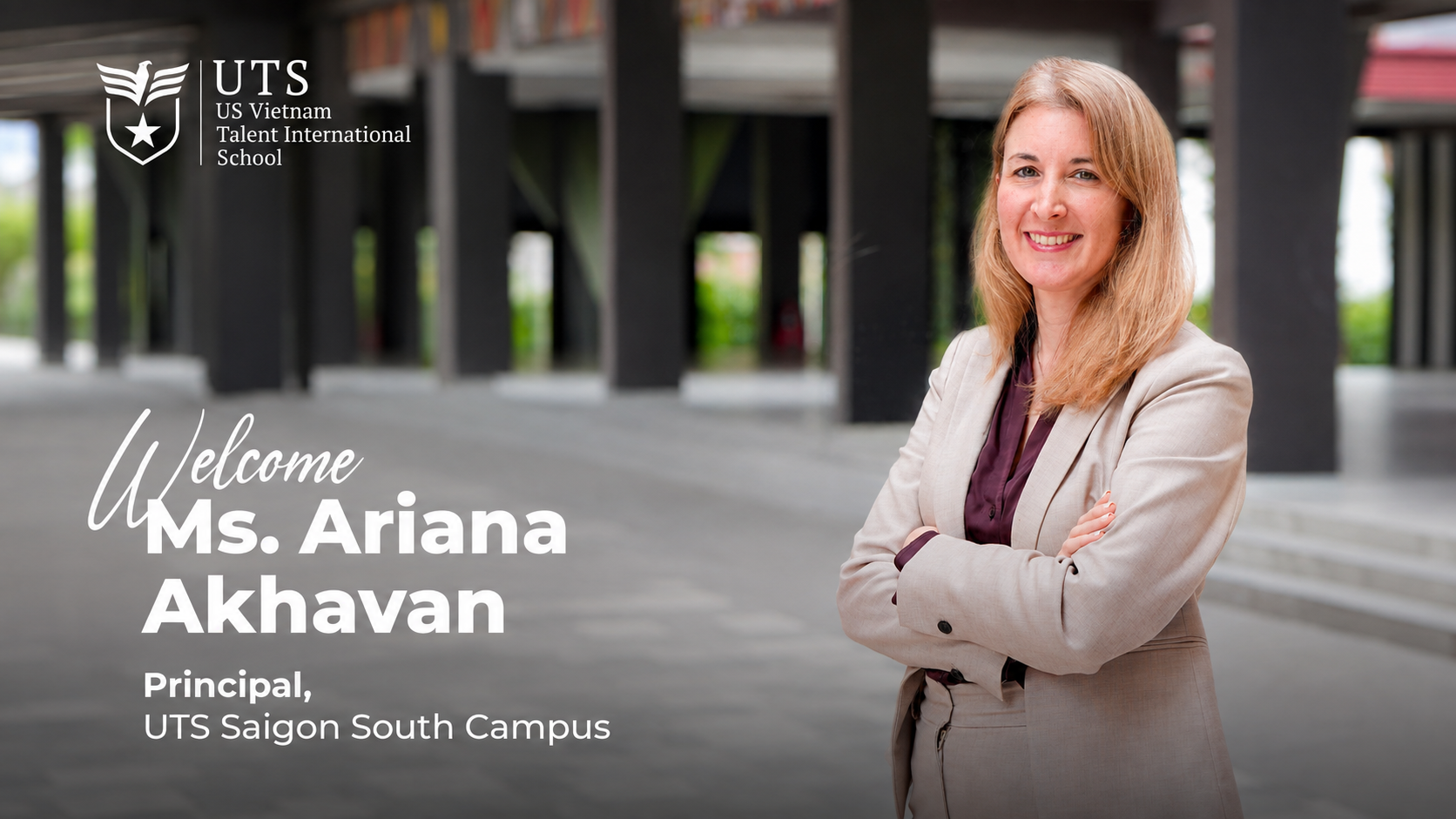
Welcoming Ms. Ariana Akhavan – Principal of UTS Saigon South Campus
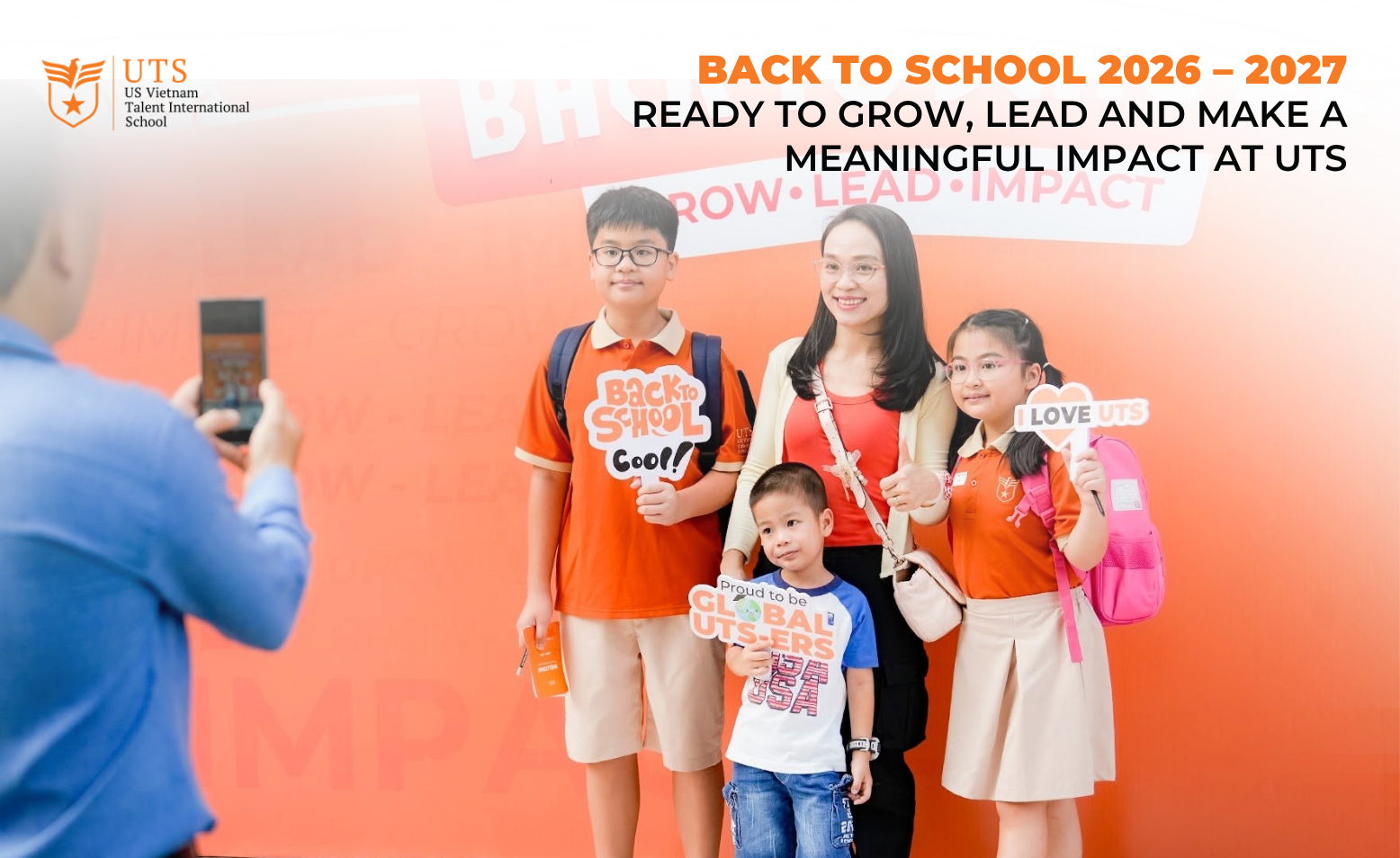
Back to School 2026 – 2027: Ready to Grow, Lead and Make a Meaningful Impact at UTS
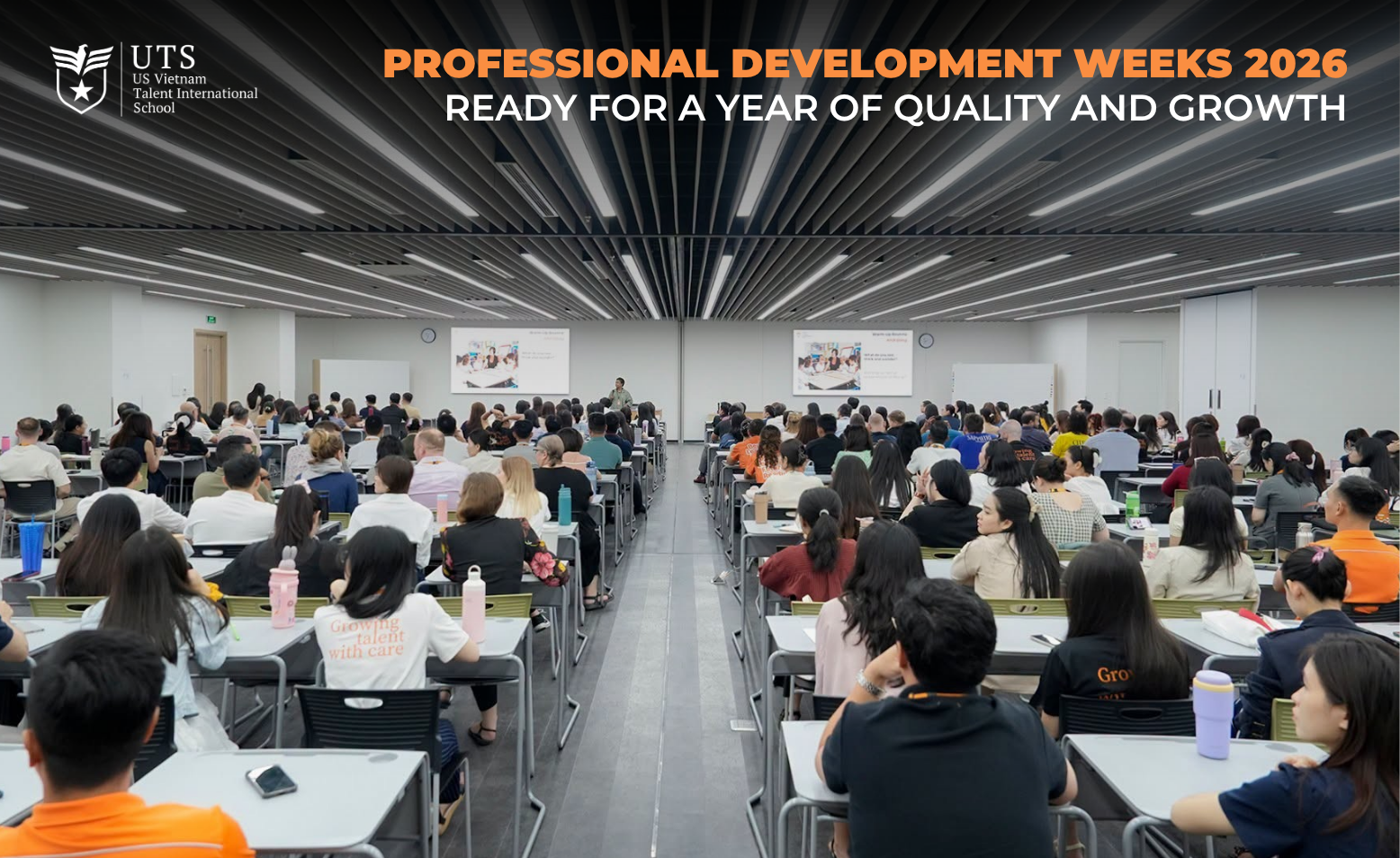
Professional Development Weeks 2026: Ready for a year of quality and growth
UTS One – The one parent portal for UTS